


A painful topic for feet - calluses and corns
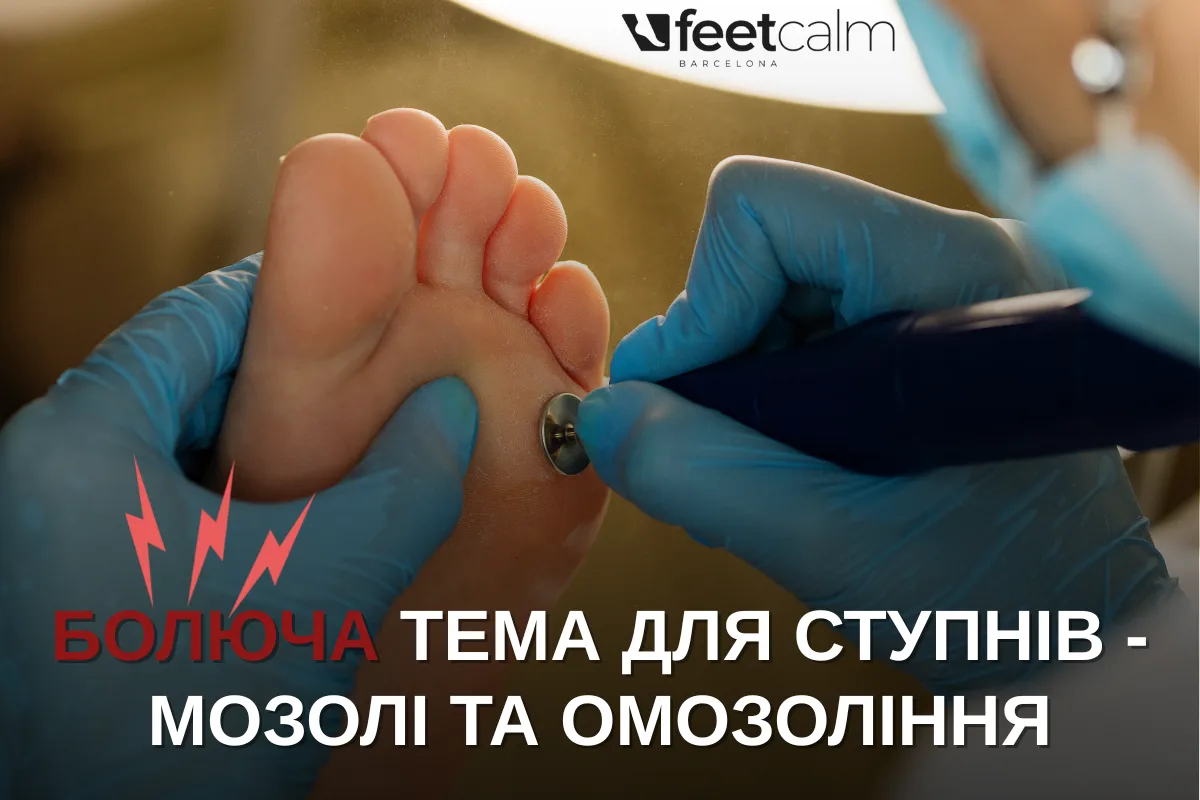
The human feet endure significant stress, so it's no surprise that about 80% of the world's population, according to a WHO report, encounter various problems with this part of the body.
Many factors influence the condition of the feet: level of physical activity, profession, overall health, congenital pathologies, and daily footwear.
Today we will talk about calluses and corns.
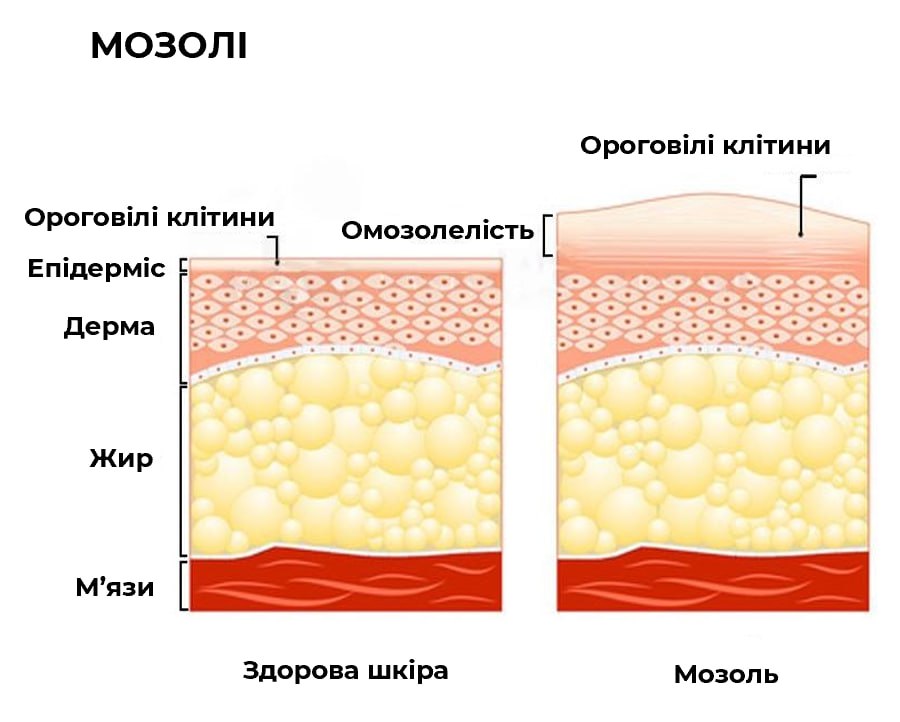
Is there a difference between a callus and a corn?
Calluses are localized hyperkeratosis caused by repeated friction and/or pressure and are a normal protective response.
SIGNS OF A CALLUS:
-
Changes in the epidermis and dermis.
-
A clear hard "core".
-
Painful sensations when pressed. Due to the pressure of the "core" on the lower layers of the skin with nerve endings or pressure on the periosteum.
-
With prolonged and strong pressure, the keratinization process occurs in deeper layers.
-
A hard layer of keratin forms the callus:
-
A dense connection of keratinized cells that cannot shed.
If the pressure is not relieved, the keratin core gradually penetrates the dermis: the dermal papillae may be pressed flat. -
If there are bones under the skin, irritation of the periosteum and formation of osteophytes may occur.

Localized areas of hyperkeratosis caused by mechanical impact can be classified as:
-
Dry callus
-
Nail callus
-
Fibrous callus
-
Vascular callus (vascular)
-
Subungual hyperkeratosis
Corns are localized thickening of the stratum corneum of the skin that develops in response to repeated mechanical irritations (pressure, friction), leading to localized blood circulation disturbances and increased keratinization.
They primarily occur on the palms, heels, or soles of the feet. They often develop on the soles when wearing uncomfortable shoes or in cases of flat feet. Hyperhidrosis can contribute to the development of corns.
Increased keratinization is a measure of the body's protection.
The irritant causes strong blood supply to the dermis, leading to heat transfer and tissue destruction. Stimulation of the basal layer results in accelerated cell division. The thickened keratinized layer protects the affected area, resulting in the appearance of corns.
Thus, the main difference between a callus and a corn lies in the structure of the skin, as corns are located in the upper layers of the skin, while calluses are found in deeper layers of the epidermis and can even reach the dermis.
How is the procedure for removing corns and calluses performed?
The procedure for removing calluses and corns is carried out using cutting tools or tools with drills. If necessary, softeners based on urea can be additionally used, which are applied to the affected area for a short time (no more than 2-3 minutes), after which the thickened layer of the epidermis can be cut or polished.
To soften corns and treat calluses, you can use:
- Feetcalm callus and hard skin spray with 20% urea. It is necessary to apply the spray to the area with the callus or corn and let the product absorb for 3-5 minutes. No rinsing with water is required.
- Feetcalm urea 30% concentrate ampoules . Apply the concentrate directly to the affected areas, allowing it to absorb for 3-5 minutes, do not rinse.
- Foot baths with Dead Sea salt and softening components, such as Feetcalm tired feet salt. Salt baths soften calluses and facilitate their removal. Use baths 2-3 times a week.
However, calluses and corns can be avoided by following certain preventive measures:
-
Wear quality and properly sized shoes. Try to avoid shoes made of synthetic materials and avoid wearing tight, high-heeled, or small shoes.
-
Use special orthopedic insoles designed according to the characteristics of your foot.
-
Use moisturizing products for the feet, such as Feetcalm 10% urea moisturizing mousse.
-
Daily in the morning and evening, cleanse the skin of the feet from dirt, for example, using Feetcalm moisturizing bath mousse.
-
Use gentle exfoliating products 2-3 times a week, such as the Restorative Peeling Concentrate with 8% glycolic acid.
These basic foot care measures are important. Since regular care and pedicure are not just about beautiful feet, but also about a person's health and comfort.
Take care of yourself, and well-groomed and healthy legs will be with you every day!
Interesting articles
All articles
With the first warm days, you want to spend more time in the sun. The spring sun rays seem soft and safe, but during this period, the skin is particularly vulnerable after winter. A weakened protective barrier and dryness make it more sensitive to ultraviolet light. Therefore, sun protection in spring is just as important as in summer.

Skincare is more than just aesthetics. It's a daily ritual that reminds us of self-love, of taking time for ourselves, of comfort. That's why quality skincare is a universal gift, suitable for any occasion: a birthday, a professional holiday, an anniversary, or simply as a gesture of attention without a reason.
We have gathered beauty ideas that not only bring pleasant emotions but also deliver real results.
Pigment spots are an unpleasant dermatological problem influenced by various factors, such as the sun, hormonal and age-related changes affecting the production of melanin, leading to hyperpigmentation. How does this acid work in skincare dermocosmetics? Read on in the material.
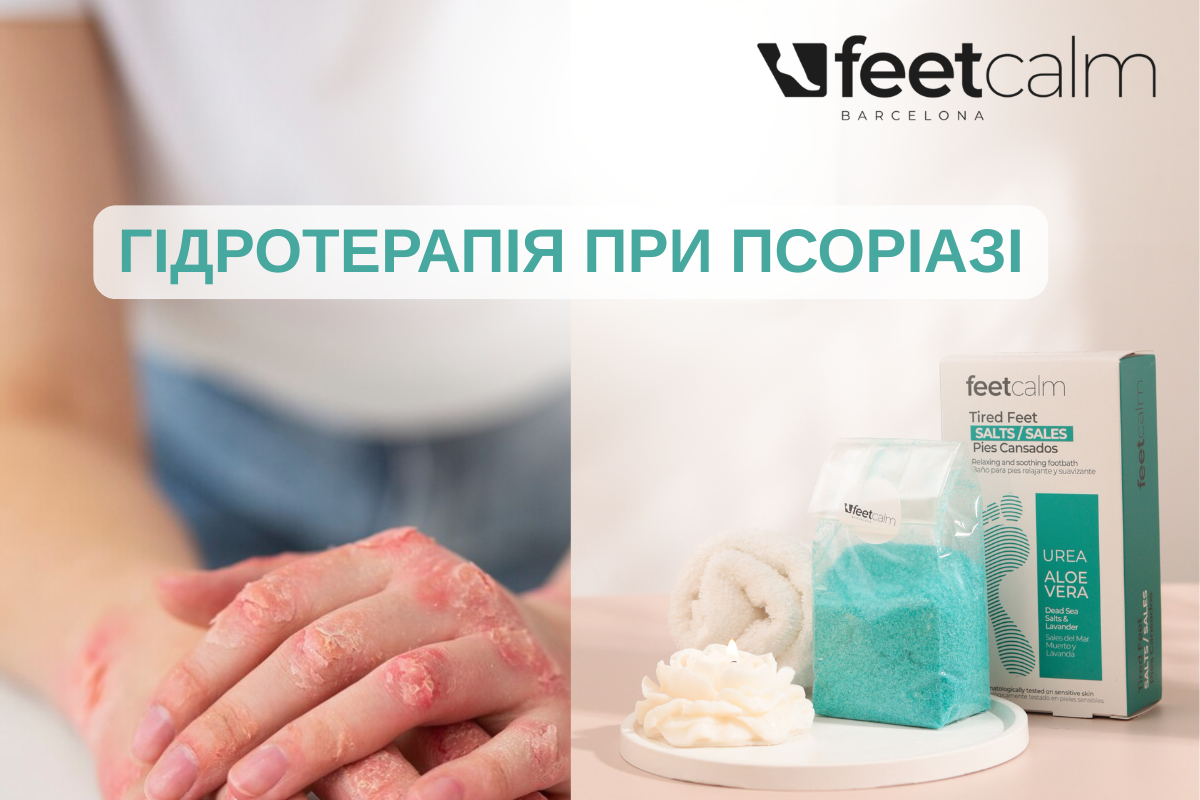
PSORIASIS IS AN IMMUNOLOGICALLY MEDIATED DISEASE THAT MANIFESTS WITH SYMPTOMS ON THE SKIN AND SOMETIMES IN THE JOINTS.
Psoriasis affects 2% to 3% of the population of Ukraine.
Treatment of psoriasis at the modern stage includes a complex of systemic and topical agents, as well as physiotherapy methods, including the use of water procedures (hydrotherapy), which are prescribed to patients individually depending on the stage of the dermatosis, accompanying somatic diseases, etc.


