


Elastin: how to maintain skin elasticity and youthfulness?

Historically, humans have always sought to preserve youthfulness and maintain firm and toned skin, but unfortunately, the loss of skin elasticity is a natural part of the aging process. It affects the condition of the skin, its firmness, and elastin.
Elastin is a fibrous protein in human connective tissue that provides skin elasticity due to the high strength of its fibers.
With age, elastin naturally decreases its functions. However, there is good news - skin elasticity can be improved. In this article, we will explore possible solutions to enhance skin elasticity and what affects skin firmness.
What do you need to know about elastin?
If you are looking to improve the appearance of your skin, you have probably encountered the terms elastin and collagen. There are both similarities and differences between them. Both are proteins that work together in connective tissue. Collagen provides strength and firmness to the skin, while elastin allows the skin to stretch and return to its original shape.
Collagen fibers make up 90% of the skin, while elastin accounts for 10%.
Elastin is a naturally stable protein in the extracellular matrix that provides elasticity and firmness to vital organs in the human body.
It is impossible to obtain elastin directly from your diet, as it is produced naturally through the fibrillogenesis of elastin.
Interesting facts about elastin:
-
The synthesis of elastin protein occurs over a short period. It is formed only from intrauterine development to late adolescence.
-
Elastin has a long half-life of about 70 years. As a result, in most healthy individuals, this process can last a lifetime.
-
Elastin constitutes approximately 2% to 4% of the dry weight in the dermis of the human body.
Functions of elastin:
-
Supporting the elasticity and firmness of the skin
-
Stretching and returning the skin to its original shape
-
Regenerating the skin surface after various injuries (burns, ulcers, inflammation)
-
Retaining moisture within the cells of the upper layer of the epidermis
-
Controlling sebum production
With age, the functions of collagen and elastin in your body deteriorate, leading to the degradation of elastin, which results in thinning skin, the appearance of wrinkles, fine lines on the face, and sagging and drooping skin.
What affects the loss of elastin?
-
The environment can play a significant role in the loss of elastin. In 90% of cases of elastin loss, UV rays from the sun are the primary cause of premature skin aging.
-
Smoking. Cigarette smoke in the lungs can also lead to the degradation of this elastic fiber.
-
Hormonal changes that occur after the age of 30 lead to a decrease in protein production activity.
How to maintain skin elasticity?
The loss of skin elasticity is known as elastosis. Due to elastosis, the skin appears saggy and wrinkled. Areas of skin, especially those exposed to the sun, may develop solar elastosis. These body parts may appear more affected than those protected from the sun. Additionally, with age, the level of elastin decreases, and the skin wrinkles. However, there are ways to slow down the depletion of elastin.
Methods to help slow down the decrease of elastin:
-
Use sunscreen with the highest level of protection. For example, the product UveeLite SPF 50+ contains UVA and UVB filters and has a high level of sun protection, so it not only protects against UV damage but also moisturizes and soothes the skin.
-
Include leafy greens, fruits, berries, and fish in your diet;
-
Increase your daily water intake.
-
Use moisturizing products that promote skin rejuvenation. You can choose a moisturizer according to your individual skin characteristics:
-
Cream Dermolite Replenishing - restores dry, rough skin and maintains the water balance of the dermis while retaining moisture.
-
Dermolite Ceramide - nourishes and hydrates dry skin and prevents the appearance of signs of premature aging.
-
Dermolite Emollient - suitable for daily care and proper hydration of normal skin type.
-
-
Incorporate exercise into your daily routine and lead a healthy lifestyle.
Following the above tips will help maintain and ensure the proper functioning of elastin in your body. And equally importantly, supporting elastin will care for the beauty and youthfulness of your skin. Timely consultation with a dermatologist will prevent the risks of critical elastin loss.
Interesting articles
All articles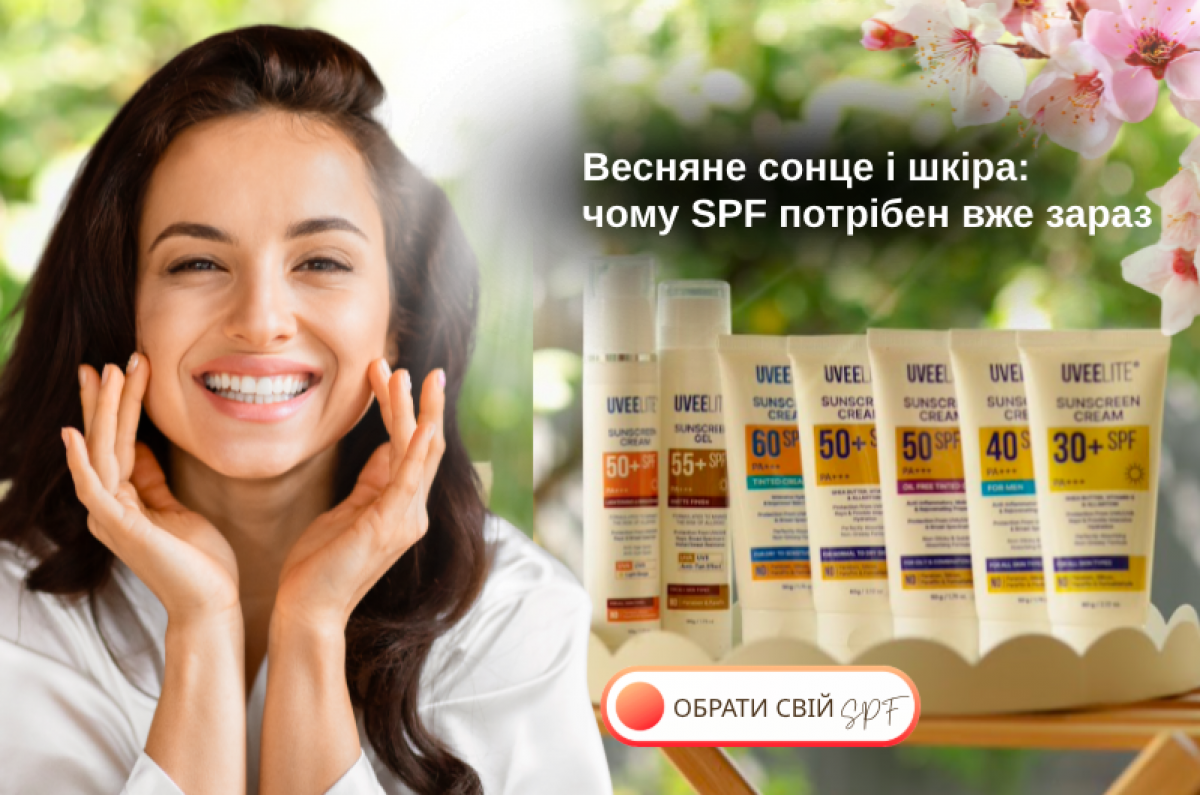
With the first warm days, you want to spend more time in the sun. The spring sun rays seem soft and safe, but during this period, the skin is particularly vulnerable after winter. A weakened protective barrier and dryness make it more sensitive to ultraviolet light. Therefore, sun protection in spring is just as important as in summer.

Skincare is more than just aesthetics. It's a daily ritual that reminds us of self-love, of taking time for ourselves, of comfort. That's why quality skincare is a universal gift, suitable for any occasion: a birthday, a professional holiday, an anniversary, or simply as a gesture of attention without a reason.
We have gathered beauty ideas that not only bring pleasant emotions but also deliver real results.
Pigment spots are an unpleasant dermatological problem influenced by various factors, such as the sun, hormonal and age-related changes affecting the production of melanin, leading to hyperpigmentation. How does this acid work in skincare dermocosmetics? Read on in the material.
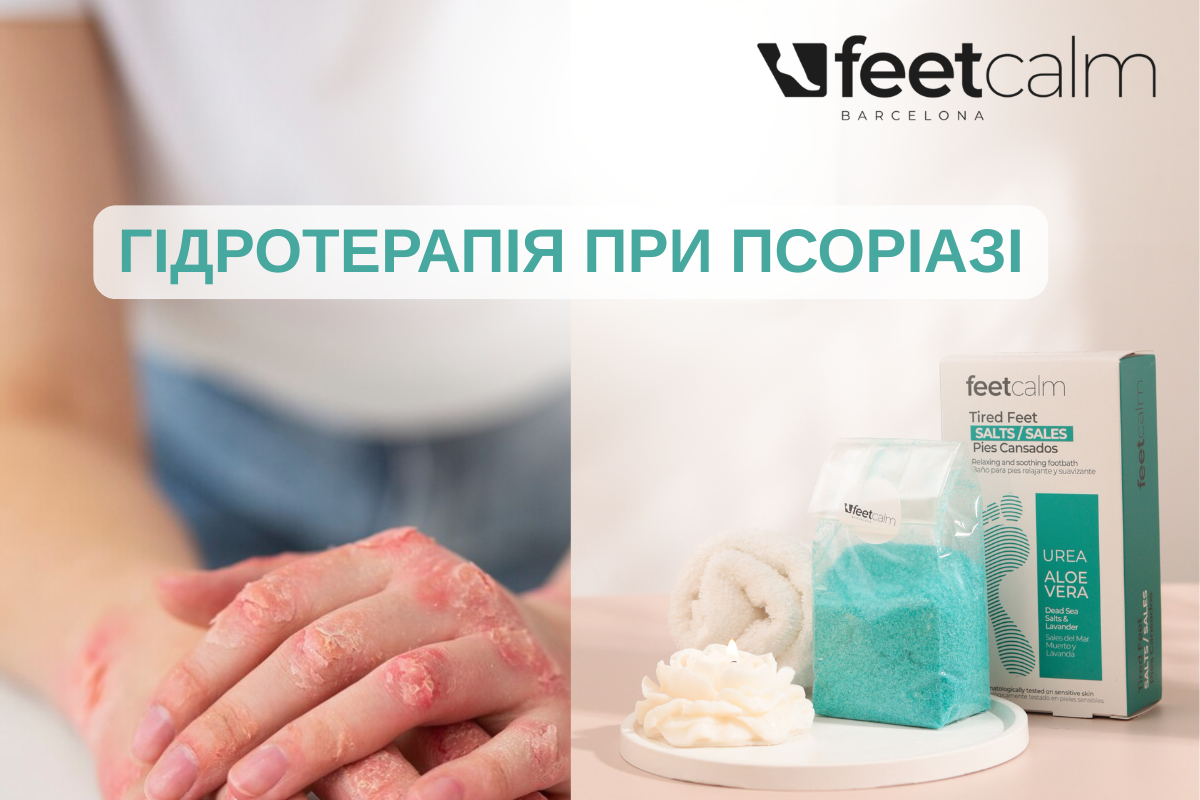
PSORIASIS IS AN IMMUNOLOGICALLY MEDIATED DISEASE THAT MANIFESTS WITH SYMPTOMS ON THE SKIN AND SOMETIMES IN THE JOINTS.
Psoriasis affects 2% to 3% of the population of Ukraine.
Treatment of psoriasis at the modern stage includes a complex of systemic and topical agents, as well as physiotherapy methods, including the use of water procedures (hydrotherapy), which are prescribed to patients individually depending on the stage of the dermatosis, accompanying somatic diseases, etc.


