


Centella Asiatica for Stretch Marks: Properties and Interesting Facts

European doctors first used this leaf in the 19th century to treat psoriasis. Later, this component became very popular in the beauty industry in East Korea. Currently, it is widely used in traditional medicine and modern dermatology due to its numerous beneficial properties for the skin.
Centella Asiatica, also known as Gotu Kola or tiger grass, is a perennial herbaceous plant that is widely used in traditional and modern medicine. Its use in stretch mark creams, such as Femilite, is due to its numerous beneficial properties, which we will discuss further in our material.
Properties of Centella Asiatica
Centella Asiatica contains several bioactive compounds, including asiaticoside, madecassoside, asiatic acid, and madecassic acid.
These components provide unique healing properties in skin care:
❇️Antioxidant effect. Protects the skin from the harmful effects of free radicals.
❇️Anti-inflammatory action. Active components of centella, such as madecassic acid and asiaticoside, have anti-inflammatory effects. This helps reduce inflammation and redness on the skin associated with stretch marks.
❇️Antimicrobial action. Extracts from Centella Asiatica can inhibit the growth of various pathogenic bacteria, such as Staphylococcus aureus and Escherichia coli.
✔️The properties of this substance also stimulate the proliferation of fibroblasts, which increases collagen production. This action contributes to a lifting effect.
✔️This substance can also enhance microcirculation in the skin's blood. This drainage function helps reduce swelling.
Interesting facts about Centella Asiatica
-
Traditional use. In Ayurveda and traditional Chinese medicine, Centella Asiatica is used to treat various skin diseases, including eczema, psoriasis, and wounds.
-
Adaptogen: Centella Asiatica is considered an adaptogen, meaning its ability to help the body adapt to stress and maintain overall balance.
-
Hardiness in cultivation: This plant is undemanding in terms of growing conditions and can survive in various climatic conditions, from tropical to temperate zones.
Application of Femilite cream with Centella Asiatica
The cream Femilite contains Centella Asiatica, as well as:
-
Regestril
-
Pal-GHK and Pal-GQPR peptides
-
Bean extract and rutin (vitamin P)
-
Almond oil
-
Vitamin B3 (niacinamide)
-
Aloe vera
-
Argan oil
-
Shea butter
-
Vitamin E
The cream Femilite, designed to reduce stretch marks and prevent their appearance, involves several steps in its use:
-
Regular application. For best results, it is recommended to apply the cream twice a day – in the morning and evening. If the skin is sensitive, it is advisable to start therapy by applying the cream overnight. Before application, wash the skin with mild soap and gently pat it dry with a towel.
-
Massage movements. While applying the cream, perform light massage movements, which will help the active ingredients penetrate deeper into the skin and improve blood circulation. When applying the cream to the skin, avoid areas around the mouth, eyes, corners of the nose, as well as damaged and open wounds.
-
Long-term use. The cream should be used over an extended period, as the effect of Centella Asiatica is cumulative and requires time to achieve visible results.
When to apply Femilite cream?
-
Prevention. Regular use of the cream during pregnancy, during adolescent growth spurts, by athletes during rapid muscle gain, or during weight changes helps prevent the appearance of stretch marks.
-
Treatment. To reduce existing stretch marks.
-
Maintaining healthy skin. The cream can also be used for overall skin improvement, thanks to its moisturizing and nourishing properties.
The cream Femilite with Centella Asiatica is an effective remedy in the fight against stretch marks due to its multifaceted properties. Regular use of this product will help improve skin condition, eliminate or reduce the visibility of stretch marks and prevent their appearance in the future.
Interesting articles
All articles
With the first warm days, you want to spend more time in the sun. The spring sun rays seem soft and safe, but during this period, the skin is particularly vulnerable after winter. A weakened protective barrier and dryness make it more sensitive to ultraviolet light. Therefore, sun protection in spring is just as important as in summer.

Skincare is more than just aesthetics. It's a daily ritual that reminds us of self-love, of taking time for ourselves, of comfort. That's why quality skincare is a universal gift, suitable for any occasion: a birthday, a professional holiday, an anniversary, or simply as a gesture of attention without a reason.
We have gathered beauty ideas that not only bring pleasant emotions but also deliver real results.
Pigment spots are an unpleasant dermatological problem influenced by various factors, such as the sun, hormonal and age-related changes affecting the production of melanin, leading to hyperpigmentation. How does this acid work in skincare dermocosmetics? Read on in the material.
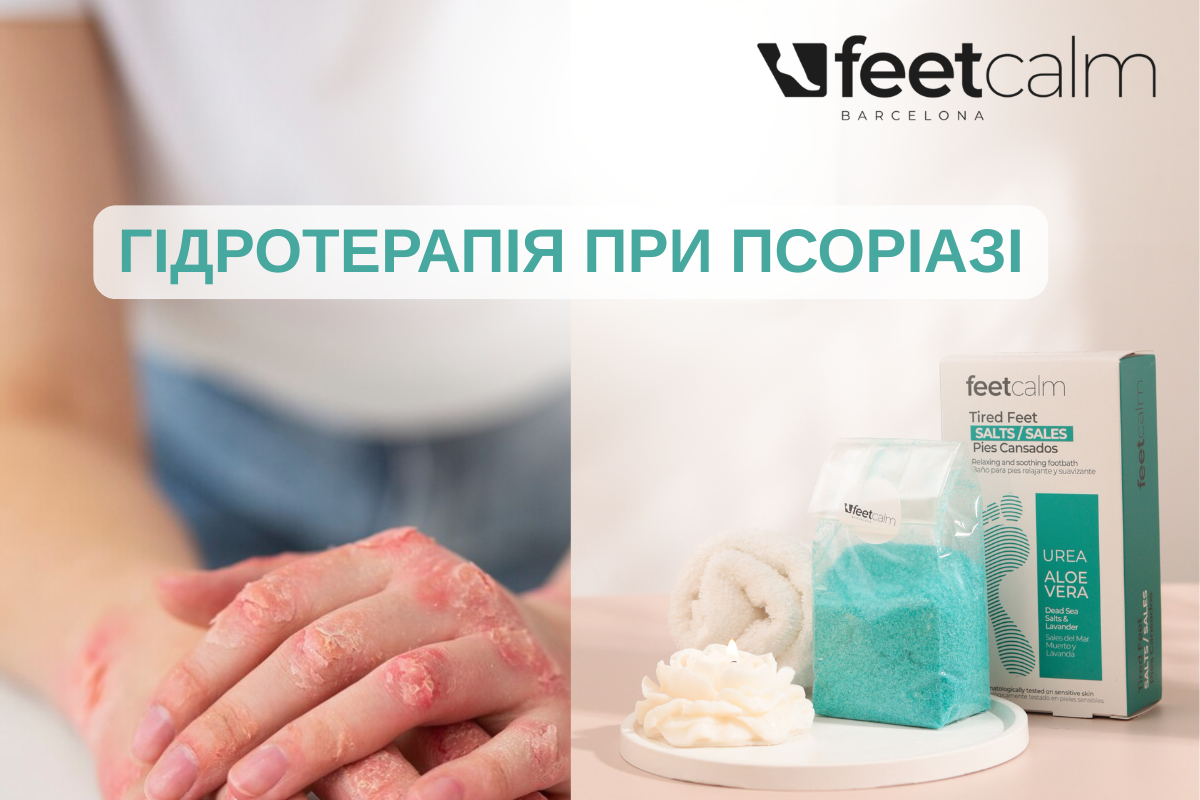
PSORIASIS IS AN IMMUNOLOGICALLY MEDIATED DISEASE THAT MANIFESTS WITH SYMPTOMS ON THE SKIN AND SOMETIMES IN THE JOINTS.
Psoriasis affects 2% to 3% of the population of Ukraine.
Treatment of psoriasis at the modern stage includes a complex of systemic and topical agents, as well as physiotherapy methods, including the use of water procedures (hydrotherapy), which are prescribed to patients individually depending on the stage of the dermatosis, accompanying somatic diseases, etc.


