


Psoriasis & Dandruff. How to Distinguish?
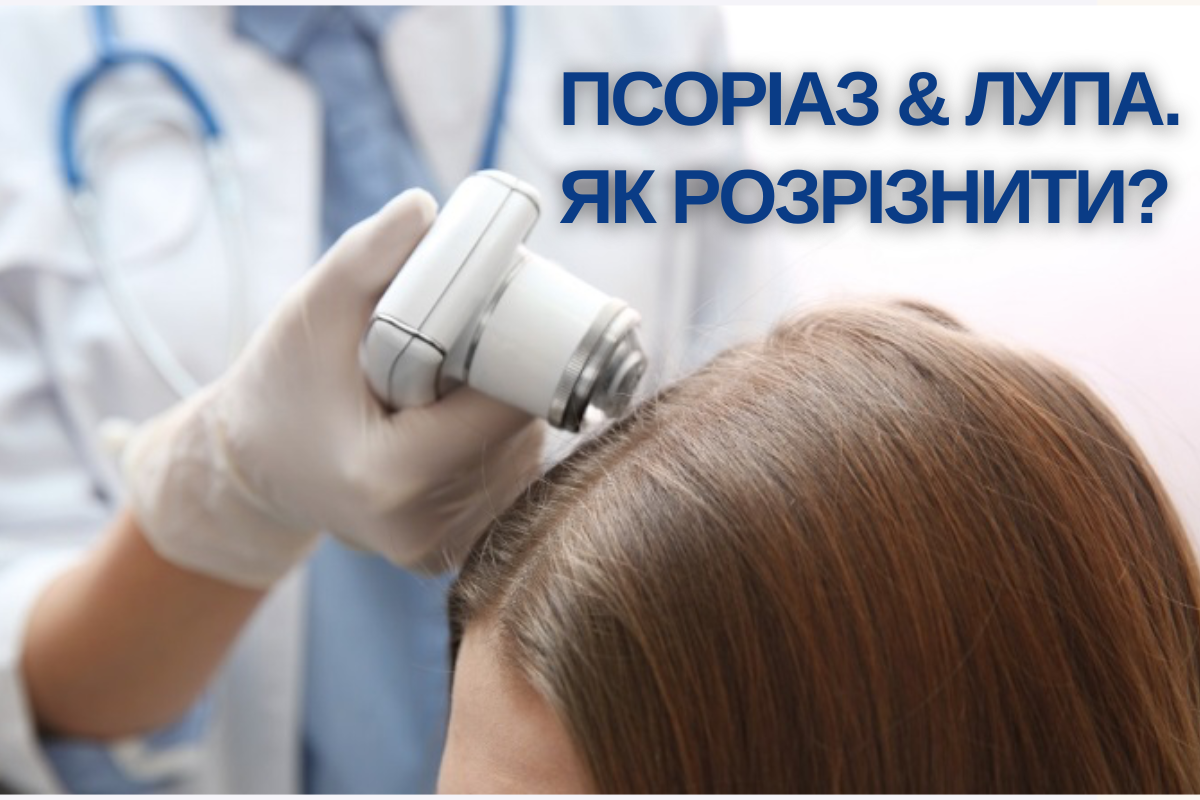
Problems with the scalp, such as discomfort, itching, and flaking skin, significantly affect a person's emotional state. White flakes from dandruff or psoriasis on hair and clothing lower self-esteem and cause trouble, so it is important to timely identify the cause of the problem and avoid further manifestations of the disease.
Common symptoms for both dandruff and psoriasis include discomfort, itching, and flaking on the scalp, but there are also several differences between these issues. A specialist will provide an accurate diagnosis, and after an examination, you will know what exactly causes the scaly patches on your skin and can take certain measures to alleviate the condition of your scalp.
What are the signs and causes of dandruff?
Dandruff is a common scalp condition. Characteristic of dandruff is the presence of flakes on the scalp that fall off and stick to the hair or end up on clothing. The appearance of dandruff is accompanied by physical discomfort, such as itching, which affects emotional well-being.
Causes that may provoke the appearance of dandruff:
-
Age: the first signs of dandruff may appear during puberty and can return throughout life.
-
Change in temperature: you may notice an active stage of dandruff during the heating season when the air indoors becomes dry.
-
Seborrheic dermatitis: during this condition, flakes may also appear, but the scalp additionally becomes oily, irritated, and these symptoms are accompanied by itching. Seborrheic dermatitis can also affect the eyebrows, armpits, or chest.
-
Contact dermatitis: hair care products, such as shampoo and dye, can irritate the scalp and cause redness, itching, and flaking.
-
A microscopic fungus called Malassezia - yeast that feeds on sebum on the scalp.
-
Hair hygiene: if you rarely wash your hair with shampoo, then oily skin may flake.
-
Conversely, dry skin can lead to the appearance of small flakes on the scalp.
-
Sex hormones: men are more prone to dandruff than women. This is related to the level of androgens, the sex hormones that prevail in men.
-
Immune system: people with a weak immune system are more prone to dandruff, as the body cannot resist diseases.
What are the manifestations of scalp psoriasis?
Psoriasis can affect the scalp, and the red scaly patches it causes can flake just like dandruff. However, there are several differences:
-
Scalp psoriasis is a chronic condition: psoriasis is long-lasting, while dandruff can appear and disappear.
-
If scalp psoriasis is mild, it appears as scaly, silvery, or powdery patches that may flake off in small pieces. More severe outbreaks can be red and painful.
-
Dandruff may only spread in the area of the scalp, while psoriatic patches can extend beyond the hairline to the forehead, back of the neck, or skin around the ears.
-
An autoimmune disease. Psoriasis is caused by your body's immune system: white blood cells that should fight diseases instead attack skin cells.
How to avoid unpleasant symptoms?
For scalp care that has excessive flaking and is accompanied by discomfort, use Tarlic shampoo, containing 4.25% coal tar and 2% salicylic acid.
The shampoo positively affects the elimination of dandruff and manifestations of scalp psoriasis:
-
In psoriasis, it reduces the excessive formation of skin cells, thereby decreasing the size of psoriatic plaques.
-
In seborrheic dermatitis, it exhibits antifungal activity against Malassezia furfur.
-
It has anti-inflammatory and anti-itch properties.
-
Promotes the exfoliation of abnormally accumulated skin cells.
-
Helps reduce dandruff, itching, and flaking.
-
Has antiseptic properties.
How to use Tarlic shampoo
It is recommended to use the shampoo 1 – 2 times a week. Note that the shampoo is intended for scalp care, not for hair care.
Contact with the shampoo on the hair is safe and does not harm the hair, but it is not necessary to lather the entire length of the hair.
Method of application:
-
Wet the scalp with water, then apply a small amount of shampoo to the scalp.
-
Gently rub the shampoo into the scalp in circular motions until foam forms.
-
The shampoo has low foaming, so do not expect a rich lather.
-
Rinse the shampoo with clean water and apply a small amount again, repeating the washing process.
-
Leave it on for 5 – 10 minutes and rinse the shampoo thoroughly with clean water.
When using the shampoo, make sure to rinse it thoroughly not only from the hairy part of the head but also from the surrounding skin, where it may have accidentally gotten and remained.
-
Dry your hair as usual.
If necessary, you can use a regular shampoo and conditioner immediately after using Tarlic shampoo, applying them directly to the hair and minimizing their contact with the scalp. However, it is more effective to use Tarlic shampoo and regular shampoo on different days.
It is not recommended to use soap or other shampoos immediately before using Tarlic shampoo.
Systematically take care of the cleanliness of your scalp and consult a doctor in a timely manner. Only after an examination by a qualified specialist can you confirm or refute a particular disease and take measures to eliminate it.
News
All news
With the first warm days, you want to spend more time in the sun. The spring sun rays seem soft and safe, but during this period, the skin is particularly vulnerable after winter. A weakened protective barrier and dryness make it more sensitive to ultraviolet light. Therefore, sun protection in spring is just as important as in summer.

Skincare is more than just aesthetics. It's a daily ritual that reminds us of self-love, of taking time for ourselves, of comfort. That's why quality skincare is a universal gift, suitable for any occasion: a birthday, a professional holiday, an anniversary, or simply as a gesture of attention without a reason.
We have gathered beauty ideas that not only bring pleasant emotions but also deliver real results.
Pigment spots are an unpleasant dermatological problem influenced by various factors, such as the sun, hormonal and age-related changes affecting the production of melanin, leading to hyperpigmentation. How does this acid work in skincare dermocosmetics? Read on in the material.
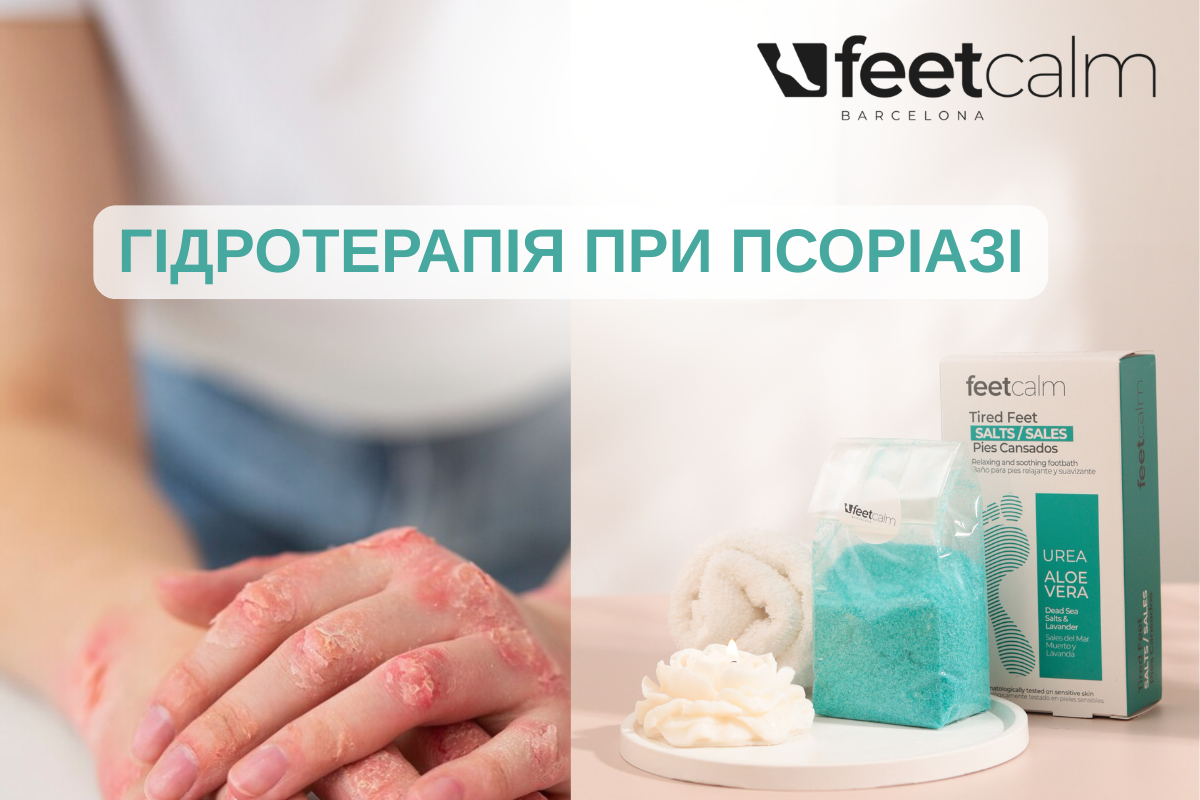
PSORIASIS IS AN IMMUNOLOGICALLY MEDIATED DISEASE THAT MANIFESTS WITH SYMPTOMS ON THE SKIN AND SOMETIMES IN THE JOINTS.
Psoriasis affects 2% to 3% of the population of Ukraine.
Treatment of psoriasis at the modern stage includes a complex of systemic and topical agents, as well as physiotherapy methods, including the use of water procedures (hydrotherapy), which are prescribed to patients individually depending on the stage of the dermatosis, accompanying somatic diseases, etc.

In the field of manicure and pedicure, the hands of the master are their main tool. They constantly come into contact with aggressive chemicals, nail dust, dyes, and other irritants.

If you have previously used retinoids and AHA acids, you probably know that retinoids work deep within the layers of the skin. In contrast, AHA acids only work on the upper layers of the dermis.
Scalp problems, such as discomfort, itching, and flaking skin, significantly affect a person's emotional state.
pigmentation is a fairly common problem that can appear at any stage of life. It occurs due to uneven distribution of melanin — the pigment responsible for the color of our skin, hair, and eyes.
Historically, it has been the case that a person always strives to maintain youthfulness for longer and to have firm and toned skin, but unfortunately, the loss of skin elasticity is a natural part of the aging process. It affects the condition of the skin, its firmness, and elastin.
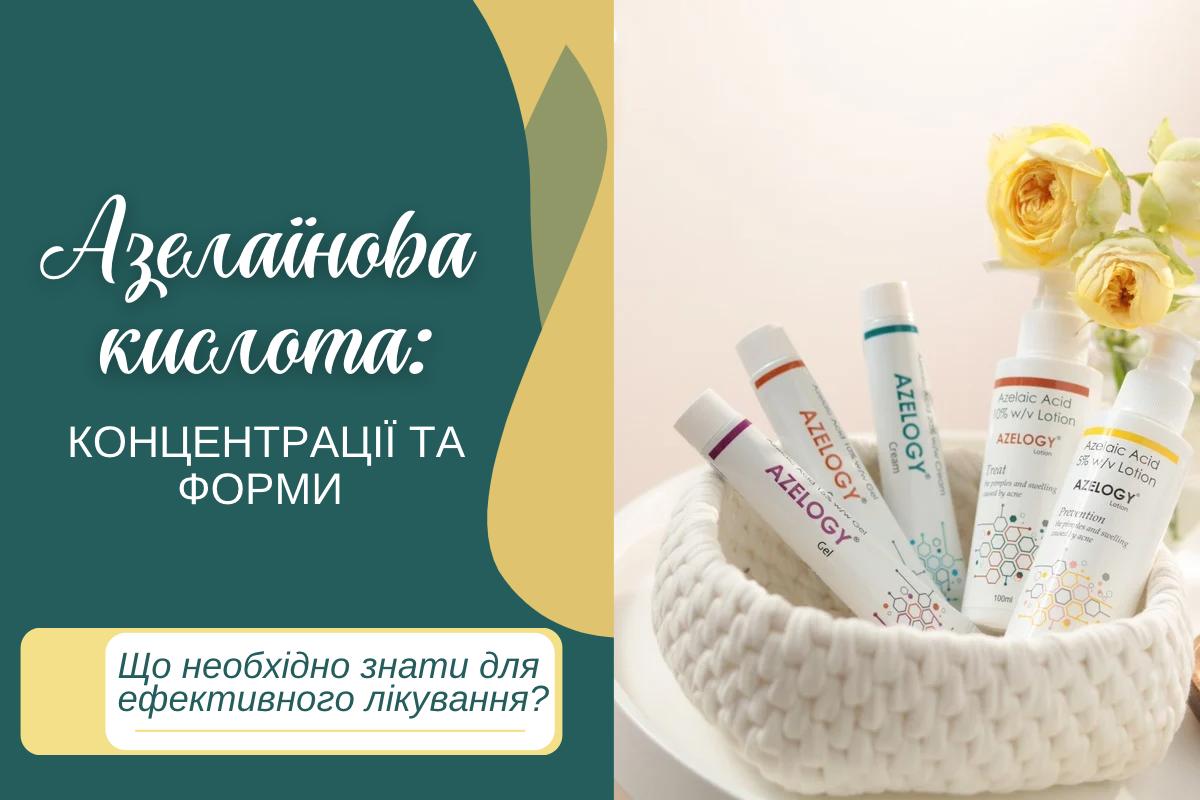
Azelaic acid is a natural component that has anti-inflammatory, antibacterial, and comedolytic properties.


