


COLD CREAM: how to choose a skincare product for winter?
Weather conditions, especially during the autumn-winter period, often have a negative impact on the skin. The causes can be wind, low temperatures, and dry air indoors. To avoid irritation and damage to the skin caused by these factors, it is necessary to protect the skin. In such cases, cold cream often comes to the rescue.
Cold cream is one of the facial care products that has been used for centuries by men, women, and children.
How does this popular product work? What is special about its origin story, and most importantly, who is cold cream suitable for and how to choose the right product – we will explain further in the article.
What is cold cream and how did it originate?
The name cold cream comes from the historical fact that it feels cool and refreshing when applied to the skin. It is known for its gentle and nourishing properties, making it universal, as the cream is suitable for all skin types, including dry and sensitive.
Several centuries ago, cold cream was made from a mixture of water, oil, and wax, which created a thick creamy emulsion that could be used to remove dirt, makeup, and other impurities from the skin.
Since ancient times, the main mission of cold cream has been to create a barrier on the skin's surface that prevents moisture loss and protects against environmental irritants. The oil and wax in the cream acted as emollients that helped smooth the skin, while the water moisturized and refreshed.
The origins of cold cream can be traced back to ancient civilizations such as the Greeks and Egyptians, who used a mixture of oils, beeswax, and rose water for cleansing and moisturizing the skin. However, the term "cold cream" specifically refers to the formula developed in the 1800s by French chemist Théophile LeClerc.
Cold cream continued to gain popularity throughout Europe and eventually made its way to the United States, where it was embraced by both Hollywood stars and beauty enthusiasts. The cream was particularly popular in the 1950s and 1960s, and it remains a classic skincare product to this day.
Over the years, the basic formula of cold cream has been modified and adapted to suit different skin types and preferences.
Modern solution: how to choose cold cream?
Modern technologies are constantly evolving. Instead of the thick, greasy texture, new types of cold creams have emerged that also protect the skin, nourish, and moisturize. At the same time, modern cold cream has a delicate, lightweight texture that absorbs quickly and does not cause discomfort.
Today, the cosmetics market offers a wide variety of creams that care for the skin's protective barrier, preventing external factors from negatively affecting its condition and promoting an overall healthy appearance.
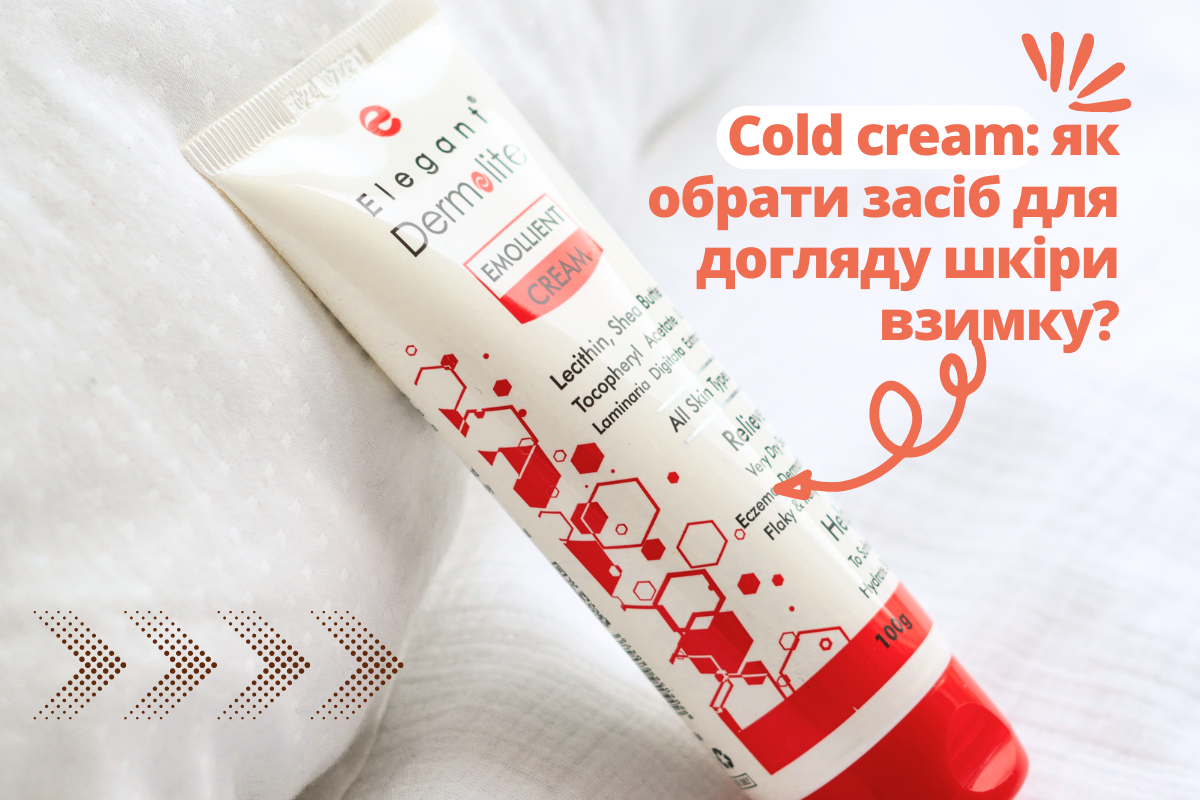
Dermolite Emollient - created specifically for effective moisturizing, nourishing, and caring for all skin types.
Thanks to its composition, Dermolite Emollient cream is capable of:
☑️ penetrating deeply into the skin;
☑️ retaining moisture;
☑️ improving protective functions;
☑️ accelerating regenerative processes.
One of the main components of Dermolite Emollient cream is allantoin, which is valued primarily for its regenerative properties. Allantoin:
▪️ stimulates collagen synthesis;
▪️ accelerates wound healing;
▪️ reduces the likelihood of keloid scar formation;
▪️ promotes the restoration of healthy skin;
▪️ has antiseptic, keratolytic, and antioxidant properties;
▪️ is a valuable moisturizing agent;
▪️ improves the protective barrier;
▪️ tightens pores;
▪️ reduces irritation;
▪️ softens and nourishes the skin.
Another valuable ingredient in Dermolite Emollient cream is shea butter. This component is a source of fatty acids and vitamins, making the skin more firm and elastic.
Shea butter:
✔️ promotes cell regeneration and collagen formation
✔️ accelerates wound healing
✔️ soothes allergic skin reactions
✔️ intensely moisturizes without clogging pores.
Additionally, Dermolite Emollient contains a range of antioxidants, such as lecithin, tocopherol (vitamin E), and brown algae extract, which together help improve skin condition, strengthen the protective barrier, and activate intracellular metabolic processes.
Ultimately, whether you should use cold cream in your daily skincare routine depends on your individual skin type and needs. For this, consult a dermatologist or skincare specialist for personalized recommendations.
News
All news
With the first warm days, you want to spend more time in the sun. The spring sun rays seem soft and safe, but during this period, the skin is particularly vulnerable after winter. A weakened protective barrier and dryness make it more sensitive to ultraviolet light. Therefore, sun protection in spring is just as important as in summer.

Skincare is more than just aesthetics. It's a daily ritual that reminds us of self-love, of taking time for ourselves, of comfort. That's why quality skincare is a universal gift, suitable for any occasion: a birthday, a professional holiday, an anniversary, or simply as a gesture of attention without a reason.
We have gathered beauty ideas that not only bring pleasant emotions but also deliver real results.
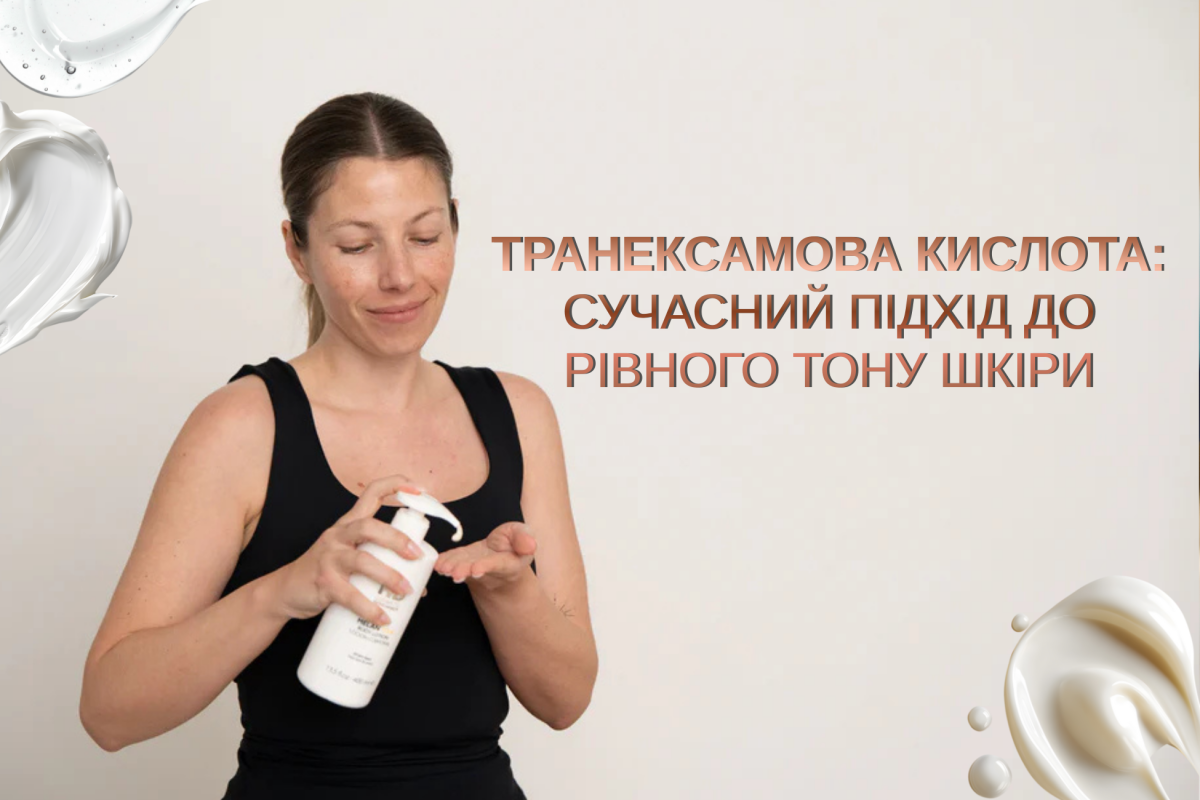
Pigment spots are an unpleasant dermatological problem influenced by various factors, such as the sun, hormonal and age-related changes affecting the production of melanin, leading to hyperpigmentation. How does this acid work in skincare dermocosmetics? Read on in the material.
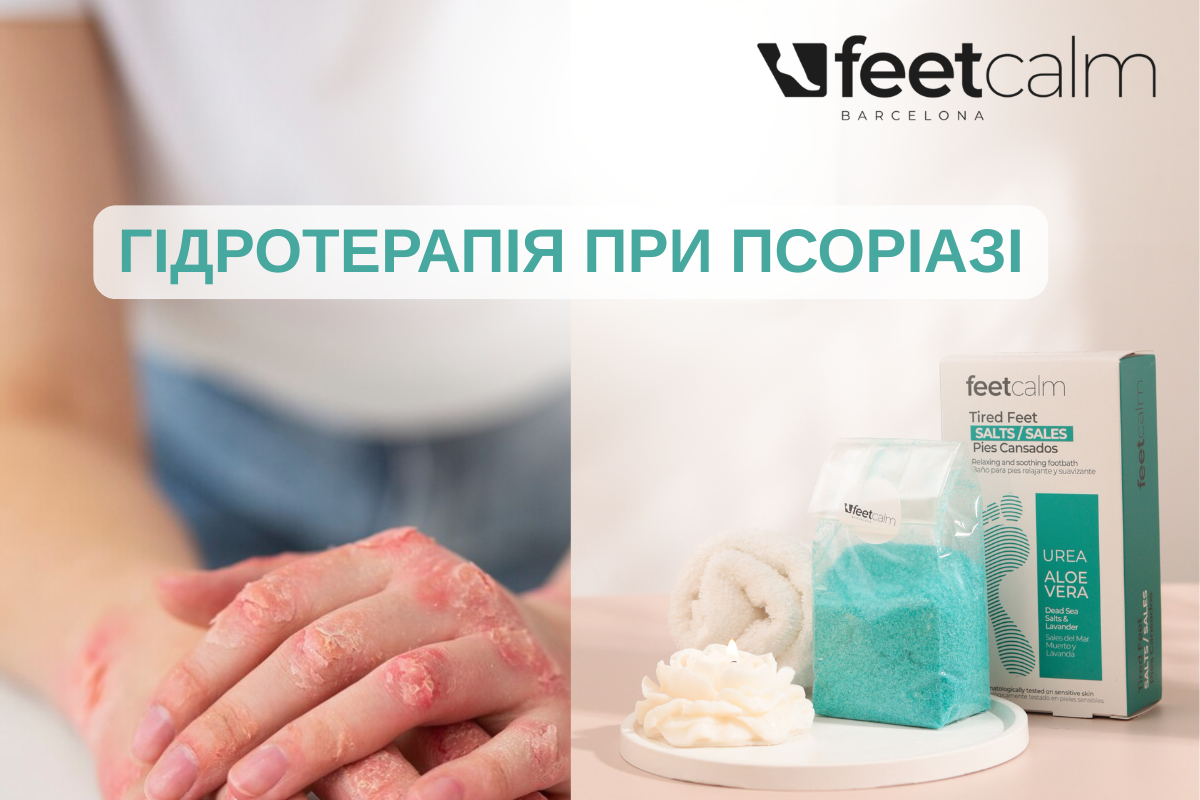
PSORIASIS IS AN IMMUNOLOGICALLY MEDIATED DISEASE THAT MANIFESTS WITH SYMPTOMS ON THE SKIN AND SOMETIMES IN THE JOINTS.
Psoriasis affects 2% to 3% of the population of Ukraine.
Treatment of psoriasis at the modern stage includes a complex of systemic and topical agents, as well as physiotherapy methods, including the use of water procedures (hydrotherapy), which are prescribed to patients individually depending on the stage of the dermatosis, accompanying somatic diseases, etc.

In the field of manicure and pedicure, the hands of the master are their main tool. They constantly come into contact with aggressive chemicals, nail dust, dyes, and other irritants.

If you have previously used retinoids and AHA acids, you probably know that retinoids work deep within the layers of the skin. In contrast, AHA acids only work on the upper layers of the dermis.

Scalp problems, such as discomfort, itching, and flaking skin, significantly affect a person's emotional state.

pigmentation is a fairly common problem that can appear at any stage of life. It occurs due to uneven distribution of melanin — the pigment responsible for the color of our skin, hair, and eyes.

Historically, it has been the case that a person always strives to maintain youthfulness for longer and to have firm and toned skin, but unfortunately, the loss of skin elasticity is a natural part of the aging process. It affects the condition of the skin, its firmness, and elastin.

Azelaic acid is a natural component that has anti-inflammatory, antibacterial, and comedolytic properties.


