


Hyaluronic Acid: Deep Hydration and Skin Rejuvenation
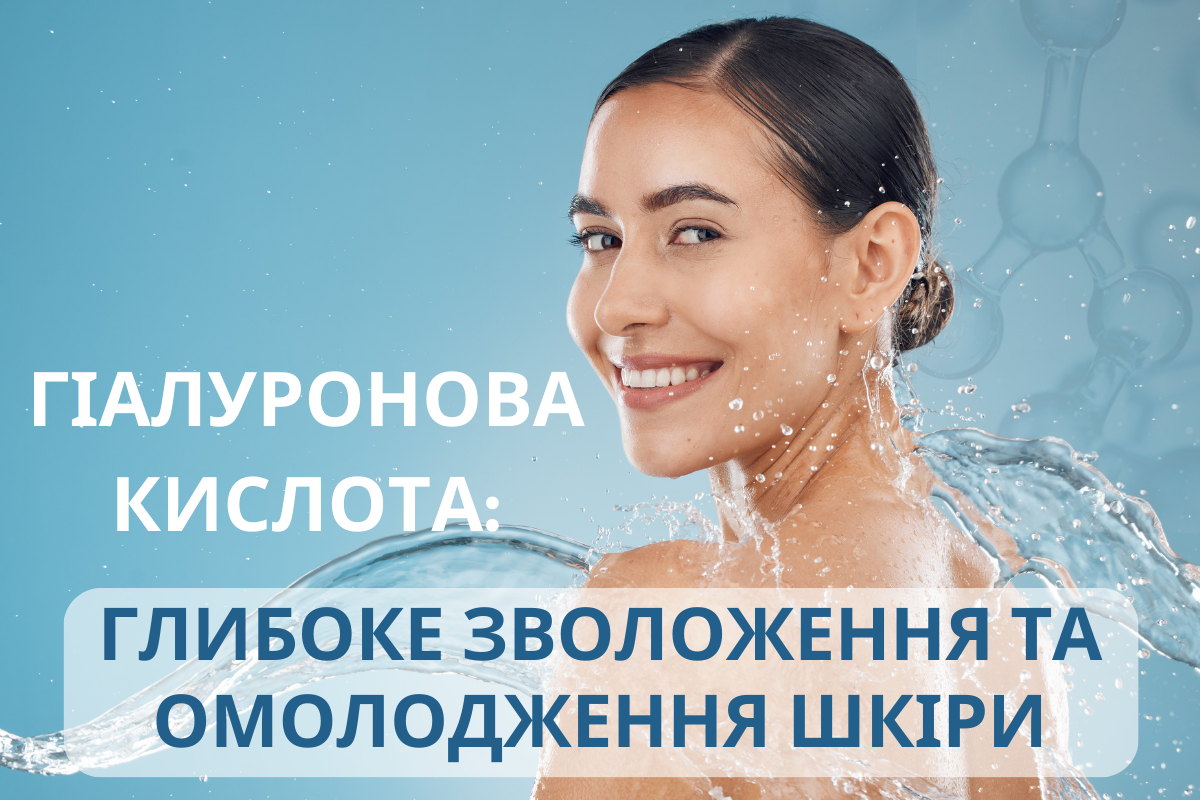
Hyaluronic acid has taken the skincare world by storm. It is often marketed as a powerful ingredient that promises to transform your skin and unlock the secret to youthful, radiant skin. From serums and creams to fillers and masks, hyaluronic acid is ubiquitous in the beauty industry, but what is it and why has it gained such popularity?
In this article, we will discuss the most impressive features and properties of hyaluronic acid that underpin its remarkable skincare benefits. We will reveal its role in maintaining skin health, its unique ability to provide and retain moisture, as well as how it can plump, hydrate, and rejuvenate the skin.
What is hyaluronic acid?
Hyaluronic acid (HA) is a natural glycosaminoglycan found in the connective tissue of the body. Glycosaminoglycans are long unbranched carbohydrates or sugars known as polysaccharides.
Hyaluronic acid is also considered an active ingredient that seems to be present in every category of skincare products — serums, cleansers, moisturizers, and more. The reason for this is that hyaluronic acid not only shows effectiveness when it comes to hydrating the skin but also minimizes signs of aging, as softened, hydrated skin makes fine lines and wrinkles less noticeable.
Hyaluronic acid is a sticky, slippery substance that the body produces naturally. Scientists have found hyaluronic acid throughout the body, especially in the eyes, joints, and skin. It acts as a cushion and lubricant in joints and other tissues.
Various forms and concentrations of hyaluronic acid are used for cosmetic purposes. Choose the necessary proportions together with a specialist.
Hyaluronic acid:
-
can influence how the body responds to injury and help reduce swelling.
-
is a key component that maintains healthy skin structure
-
is responsible for the softness of the dermis and a hydrated appearance.
Patients struggling with aging often receive recommendations from specialists regarding the choice of hyaluronic acid. After all, it plays a crucial role in the healing process of various types of wounds, which decreases with age, making us more susceptible to sagging and wrinkles. HA is not just a trendy ingredient but a staple in your daily skincare routine.
What are the benefits of hyaluronic acid?
-
fighting signs of aging, moisturizing effect
-
wound healing
-
minimizing wrinkles
-
increasing skin elasticity
-
can treat eczema
-
reduces facial redness
Hyaluronic acid, as one of the main active components, works in the moisturizing products of the ELEGANT_GROUP line:
-
Dermolite Replenishing Cream (0.2%)
-
Dermolite Uronic Cream for Dry Skin (0.2%)
-
Dermolite Ceramide (0.2%)
Why does hyaluronic acid attract patients and doctors?
Hyaluronic acid can bind water up to 1000 times its weight! In other words, it functions as a moisturizer and retains water molecules on the surface of your skin to keep it beautiful, glowing, and hydrated.
Whenever we talk about well-hydrated skin, we mainly mean skin with a high water content. But there is a term called “transepidermal water loss,” or TEWL for short. This is a scientific term for measuring how much water evaporates from the skin.
When a product prevents TEWL, it means it keeps your skin hydrated by preventing its loss. Hyaluronic acid is capable of slowing down the rate of water evaporation from the skin's surface.
Are there any side effects from using hyaluronic acid?
Fortunately, HA itself does not cause allergic reactions, as our body also produces it.
This holy grail of hydration can have unforeseen side effects. There are some varieties of HA that are somewhat controversial, and elevated levels are actually associated with inflammatory skin diseases such as psoriasis.
Possible side effects of using hyaluronic acid in creams may include:
-
Skin irritation: some people may experience skin irritation, redness, itching, or rash after applying a cream with hyaluronic acid. This may be related to an allergic reaction or sensitivity to the ingredients.
-
Rashes: hyaluronic acid is generally non-comedogenic, meaning it should not clog pores. However, in rare cases, rashes may occur in individuals with sensitive skin or acne-prone skin.
-
Dryness: in some cases, hyaluronic acid may have the opposite effect and actually cause dryness or flaking, especially if the air is dry or if the product is improperly formulated or applied.
-
Rare side reactions: although rare, some individuals may experience more serious allergic reactions or side effects from hyaluronic acid, such as swelling, burning, or difficulty breathing.
If you experience any serious symptoms, stop using it immediately and consult a doctor.
Hyaluronic acid is the key to deep hydration, and thus a healthy appearance of the skin. Make sure to care for your skin's hydration daily, both for therapeutic and preventive purposes.
News
All news
With the first warm days, you want to spend more time in the sun. The spring sun rays seem soft and safe, but during this period, the skin is particularly vulnerable after winter. A weakened protective barrier and dryness make it more sensitive to ultraviolet light. Therefore, sun protection in spring is just as important as in summer.

Skincare is more than just aesthetics. It's a daily ritual that reminds us of self-love, of taking time for ourselves, of comfort. That's why quality skincare is a universal gift, suitable for any occasion: a birthday, a professional holiday, an anniversary, or simply as a gesture of attention without a reason.
We have gathered beauty ideas that not only bring pleasant emotions but also deliver real results.
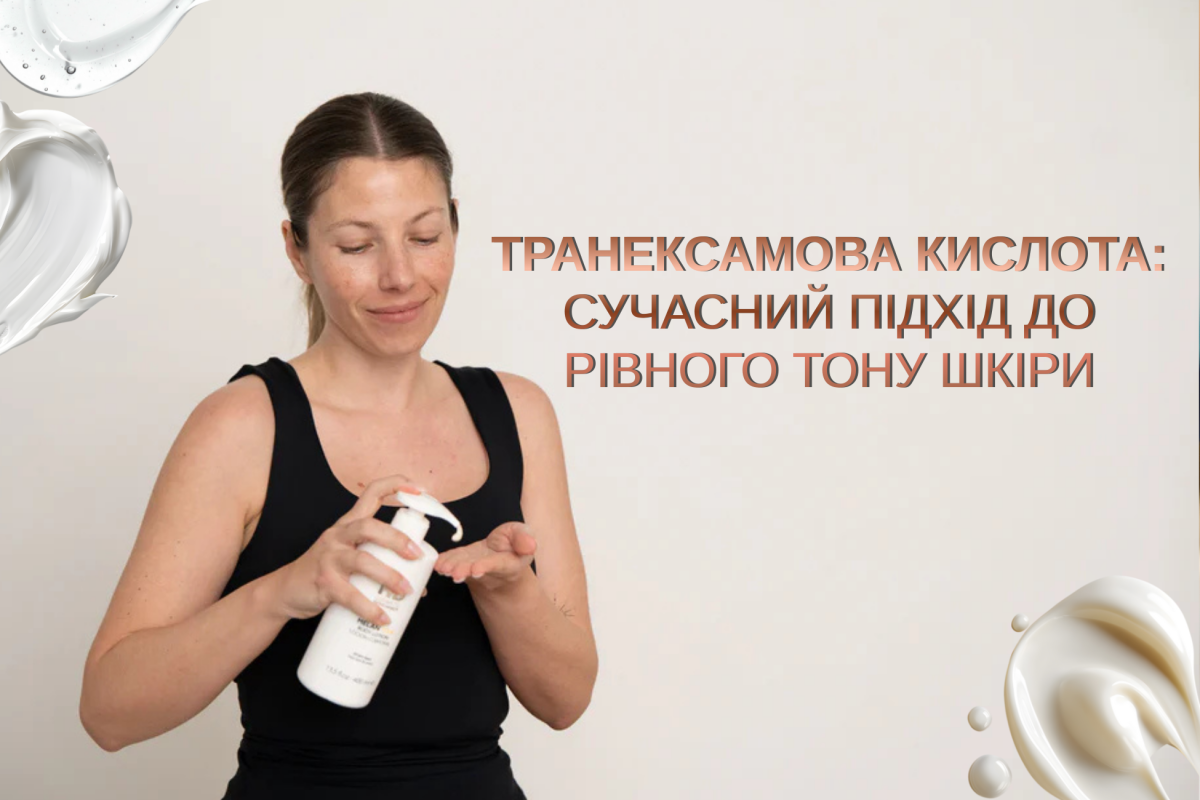
Pigment spots are an unpleasant dermatological problem influenced by various factors, such as the sun, hormonal and age-related changes affecting the production of melanin, leading to hyperpigmentation. How does this acid work in skincare dermocosmetics? Read on in the material.

PSORIASIS IS AN IMMUNOLOGICALLY MEDIATED DISEASE THAT MANIFESTS WITH SYMPTOMS ON THE SKIN AND SOMETIMES IN THE JOINTS.
Psoriasis affects 2% to 3% of the population of Ukraine.
Treatment of psoriasis at the modern stage includes a complex of systemic and topical agents, as well as physiotherapy methods, including the use of water procedures (hydrotherapy), which are prescribed to patients individually depending on the stage of the dermatosis, accompanying somatic diseases, etc.

In the field of manicure and pedicure, the hands of the master are their main tool. They constantly come into contact with aggressive chemicals, nail dust, dyes, and other irritants.

If you have previously used retinoids and AHA acids, you probably know that retinoids work deep within the layers of the skin. In contrast, AHA acids only work on the upper layers of the dermis.
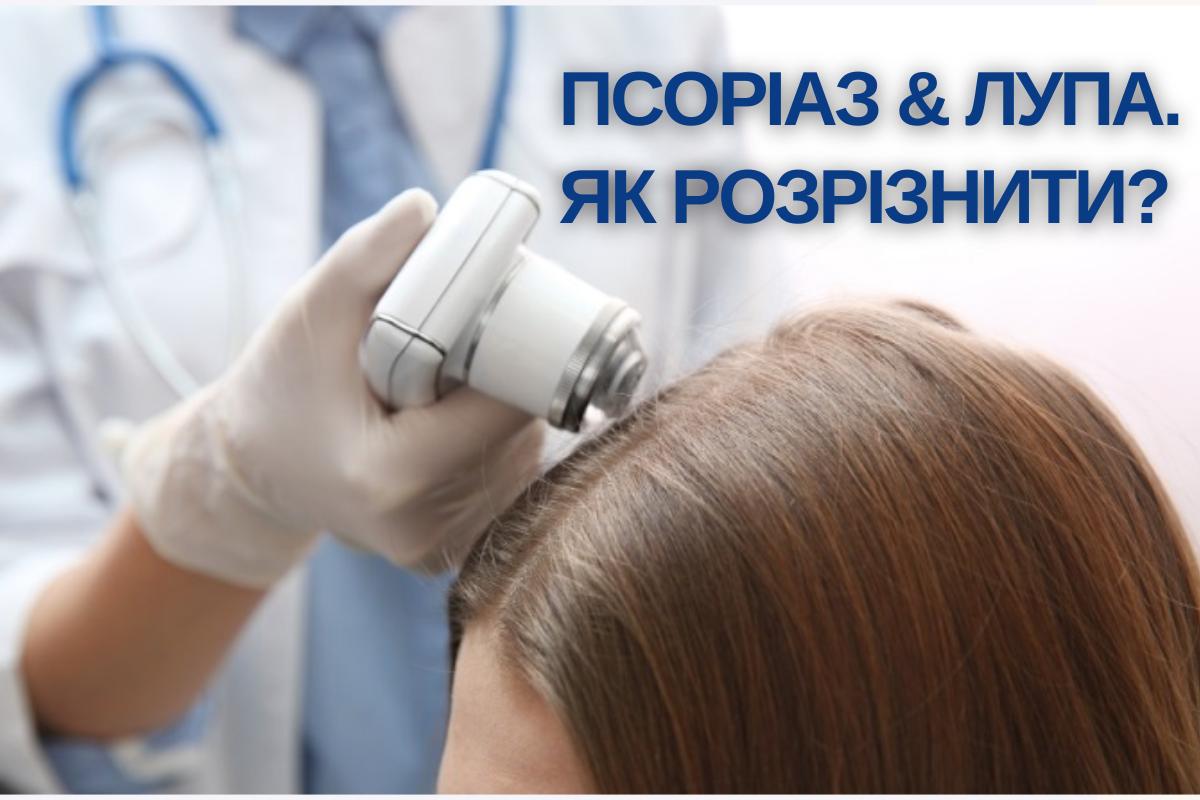
Scalp problems, such as discomfort, itching, and flaking skin, significantly affect a person's emotional state.

pigmentation is a fairly common problem that can appear at any stage of life. It occurs due to uneven distribution of melanin — the pigment responsible for the color of our skin, hair, and eyes.

Historically, it has been the case that a person always strives to maintain youthfulness for longer and to have firm and toned skin, but unfortunately, the loss of skin elasticity is a natural part of the aging process. It affects the condition of the skin, its firmness, and elastin.

Azelaic acid is a natural component that has anti-inflammatory, antibacterial, and comedolytic properties.


