


Acid Guide: Types and Properties

Acids for the face – the key to exquisite skin. Yet sometimes the word “acid” conjures images of bubbling test tubes and thoughts of terrible chemical burns. But when used in the right concentrations, acids are actually some of the most beneficial ingredients available for skin care.
Products with acids are gaining significant popularity among doctors and patients. And not without reason, as they demonstrate impressive results. Acids can combat a wide range of issues, such as:
-
acne;
-
wrinkles;
-
pigmentation spots;
-
scars;
-
uneven skin tone.
However, among the variety of acids, it can be difficult to determine which specific substance will address your particular needs and issues.
Therefore, first of all, we recommend familiarizing yourself with the main acids available in the Elegant Group line.
Types of acids: what problems do they solve?
The most famous for acne - salicylic acid
This substance is well-known for its ability to reduce the number of acne and inflammation, exfoliate the skin, and tighten pores. Salicylic acid is found in many products from the Elegant Group line in various concentrations:
-
Clozac product series
-
Tarlic product series
-
Glicolite Max cleansing product
-
Azelogy lotion
-
Dermolite Uronic cream
Salicylic acid is also used in higher concentrations as a peeling agent for treating acne, acne scars, melasma, and pigmentation spots.
Glycolic acid is a must-have against aging
Glycolic acid is the most popular alpha-hydroxy acid (AHA) used in skin care. It comes from sugar cane and is the smallest AHA molecule, allowing it to penetrate the skin quickly and effectively. Glycolic acid is actively used for skin rejuvenation and more.
This component is very effective for:
-
exfoliating the skin
-
reducing fine wrinkles
-
preventing acne
-
eliminating dark spots
-
increasing skin thickness
-
evening out skin tone and texture.
Glycolic acid is found in a range of products aimed at combating hyperpigmentation and evening out tone:
-
Glicolite Max - 6%
-
Products from the Vitashine line (from 0.25% - 3%)
Similar to salicylic acid, glycolic acid is also used in peels for treating acne and pigmentation. However, using glycolic acid increases sun sensitivity, so it is essential to use sunscreen to prevent irritation from sun exposure.
Azelaic acid for problematic skin
For the past three decades, azelaic acid has been one of the main treatments for moderate acne. It gently cleanses pores, kills bacteria, and reduces inflammation. Azelaic acid is found in Azelogy products, available in the form of lotion, cream, and gels. This substance is available in concentrations ranging from 5-20%, intended for application on the face and body.
Azelaic acid typically has very few side effects, but in some people with very sensitive skin, it may cause burning, peeling, and redness.
In addition to treating acne, azelaic acid also brightens the skin and is effective in combating acne scars.
Kojic acid - a brightening agent
Kojic acid is a popular ingredient in skin care due to its whitening and anti-aging properties. Besides the brightening effect it provides, kojic acid also has anti-inflammatory and bactericidal actions.
This component is found in products from the Vitashine series in concentrations ranging from 0.25% to 2 percent.
What you should know about combining acids?
Mixing certain acids can cause skin irritation. Therefore, it is important to space their use at different times of the day. For example, salicylic acid can be used in the morning, while another can be used in the evening.
Before combining products with acids, it is advisable to consult with your doctor. Without a specialist's consultation, self-treatment and mixing acids can lead to dangerous interactions between substances.
News
All news
With the first warm days, you want to spend more time in the sun. The spring sun rays seem soft and safe, but during this period, the skin is particularly vulnerable after winter. A weakened protective barrier and dryness make it more sensitive to ultraviolet light. Therefore, sun protection in spring is just as important as in summer.

Skincare is more than just aesthetics. It's a daily ritual that reminds us of self-love, of taking time for ourselves, of comfort. That's why quality skincare is a universal gift, suitable for any occasion: a birthday, a professional holiday, an anniversary, or simply as a gesture of attention without a reason.
We have gathered beauty ideas that not only bring pleasant emotions but also deliver real results.
Pigment spots are an unpleasant dermatological problem influenced by various factors, such as the sun, hormonal and age-related changes affecting the production of melanin, leading to hyperpigmentation. How does this acid work in skincare dermocosmetics? Read on in the material.

PSORIASIS IS AN IMMUNOLOGICALLY MEDIATED DISEASE THAT MANIFESTS WITH SYMPTOMS ON THE SKIN AND SOMETIMES IN THE JOINTS.
Psoriasis affects 2% to 3% of the population of Ukraine.
Treatment of psoriasis at the modern stage includes a complex of systemic and topical agents, as well as physiotherapy methods, including the use of water procedures (hydrotherapy), which are prescribed to patients individually depending on the stage of the dermatosis, accompanying somatic diseases, etc.
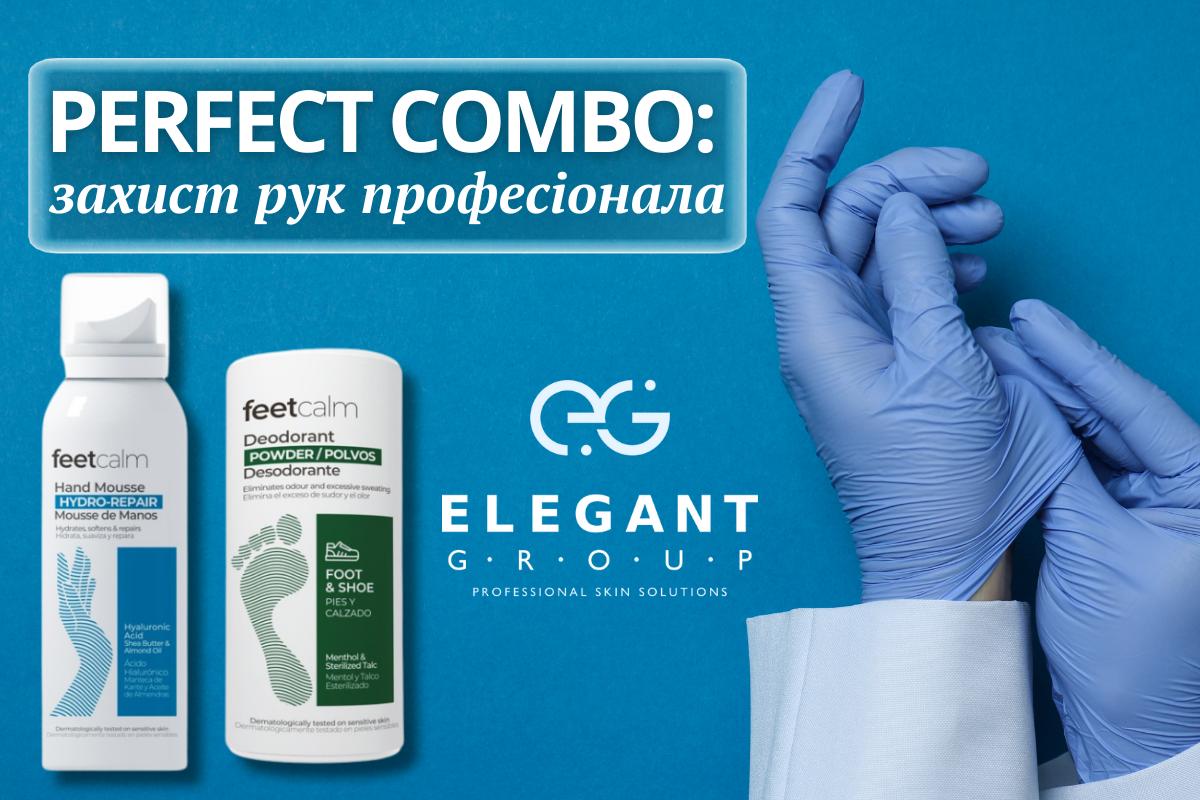
In the field of manicure and pedicure, the hands of the master are their main tool. They constantly come into contact with aggressive chemicals, nail dust, dyes, and other irritants.

If you have previously used retinoids and AHA acids, you probably know that retinoids work deep within the layers of the skin. In contrast, AHA acids only work on the upper layers of the dermis.

Scalp problems, such as discomfort, itching, and flaking skin, significantly affect a person's emotional state.

pigmentation is a fairly common problem that can appear at any stage of life. It occurs due to uneven distribution of melanin — the pigment responsible for the color of our skin, hair, and eyes.

Historically, it has been the case that a person always strives to maintain youthfulness for longer and to have firm and toned skin, but unfortunately, the loss of skin elasticity is a natural part of the aging process. It affects the condition of the skin, its firmness, and elastin.

Azelaic acid is a natural component that has anti-inflammatory, antibacterial, and comedolytic properties.


