


Clindamycin in Acne Treatment Products
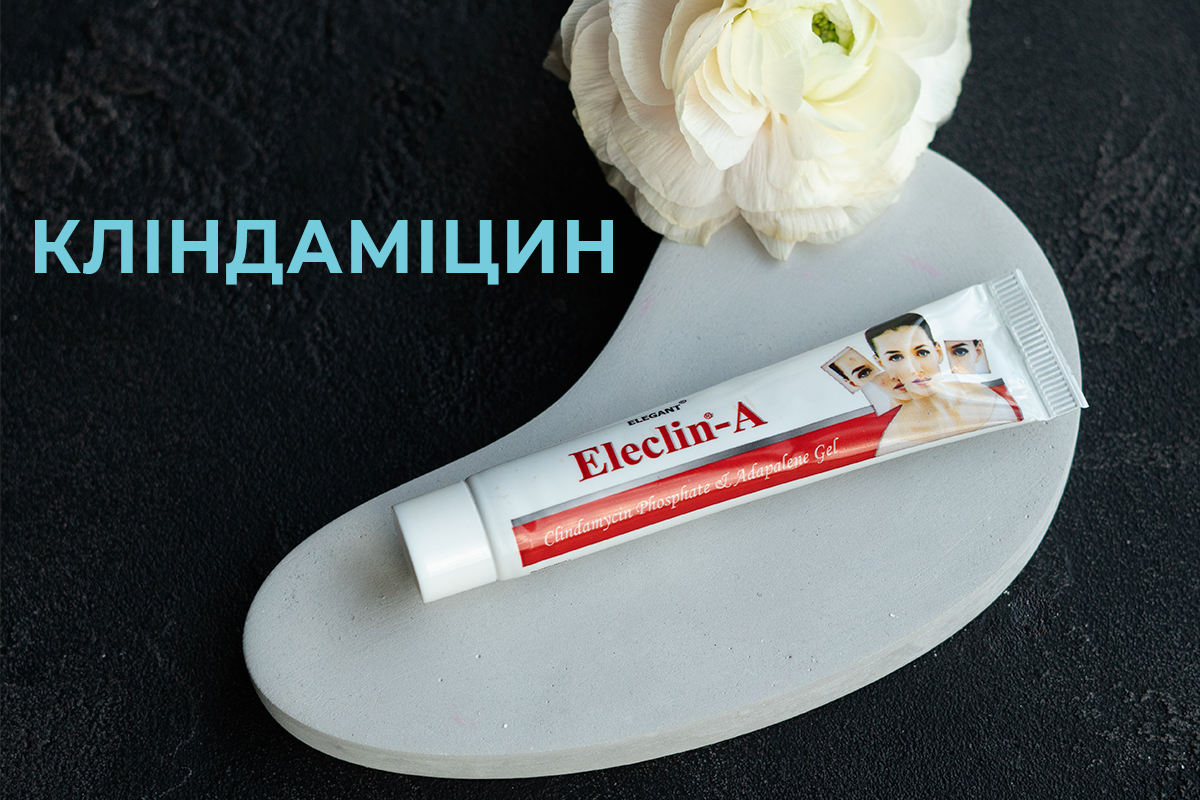
Acne can be a significant issue for many people, especially when it comes to self-esteem and how you feel about your appearance. However, there are ways to manage and treat your skin effectively. One of the most common treatments is benzoyl peroxide. It can help reduce the bacteria that cause acne and prevent future breakouts.
Benzoyl peroxide is a powerful antibacterial agent that can help reduce the bacteria that cause acne. I recommend using benzoyl peroxide as a spot treatment for stubborn acne spots. It works best when applied directly to the affected area.
Benzoyl peroxide can also be used to treat mild to moderate acne, which can lead to more severe breakouts if left untreated. The most common bacteria associated with acne is Propionibacterium acnes (P. acnes), which can thrive in clogged pores. This bacteria can lead to inflammation and the formation of acne lesions.
When treating acne, it’s important to remember that benzoyl peroxide may cause some dryness and irritation, especially for those with sensitive skin. It’s best to start with a lower concentration and gradually increase it as your skin adjusts.
For those who are prone to breakouts, using a product with benzoyl peroxide can help keep your skin clear and prevent future acne flare-ups. Regular use can help maintain a healthy complexion and reduce the frequency of breakouts.
In conclusion, benzoyl peroxide is an effective treatment for acne that can help reduce bacteria and prevent future breakouts. It’s important to find a product that works for your skin type and to use it consistently for the best results.
How to use benzoyl peroxide effectively?
I recommend starting with a low concentration of benzoyl peroxide and gradually increasing it as your skin becomes accustomed to it. This will help minimize irritation and dryness. Apply a small amount to the affected areas once or twice a day, depending on your skin's tolerance.
It’s also essential to follow up with a good moisturizer to keep your skin hydrated and balanced. Look for non-comedogenic products that won’t clog your pores. This will help maintain your skin’s health while treating acne.
Remember, consistency is key when it comes to treating acne. Stick to your routine, and you should start to see improvements in your skin over time.
Lastly, if you experience severe irritation or your acne worsens, consult a dermatologist for personalized advice and treatment options.
News
All news
With the first warm days, you want to spend more time in the sun. The spring sun rays seem soft and safe, but during this period, the skin is particularly vulnerable after winter. A weakened protective barrier and dryness make it more sensitive to ultraviolet light. Therefore, sun protection in spring is just as important as in summer.

Skincare is more than just aesthetics. It's a daily ritual that reminds us of self-love, of taking time for ourselves, of comfort. That's why quality skincare is a universal gift, suitable for any occasion: a birthday, a professional holiday, an anniversary, or simply as a gesture of attention without a reason.
We have gathered beauty ideas that not only bring pleasant emotions but also deliver real results.
Pigment spots are an unpleasant dermatological problem influenced by various factors, such as the sun, hormonal and age-related changes affecting the production of melanin, leading to hyperpigmentation. How does this acid work in skincare dermocosmetics? Read on in the material.

PSORIASIS IS AN IMMUNOLOGICALLY MEDIATED DISEASE THAT MANIFESTS WITH SYMPTOMS ON THE SKIN AND SOMETIMES IN THE JOINTS.
Psoriasis affects 2% to 3% of the population of Ukraine.
Treatment of psoriasis at the modern stage includes a complex of systemic and topical agents, as well as physiotherapy methods, including the use of water procedures (hydrotherapy), which are prescribed to patients individually depending on the stage of the dermatosis, accompanying somatic diseases, etc.

In the field of manicure and pedicure, the hands of the master are their main tool. They constantly come into contact with aggressive chemicals, nail dust, dyes, and other irritants.

If you have previously used retinoids and AHA acids, you probably know that retinoids work deep within the layers of the skin. In contrast, AHA acids only work on the upper layers of the dermis.
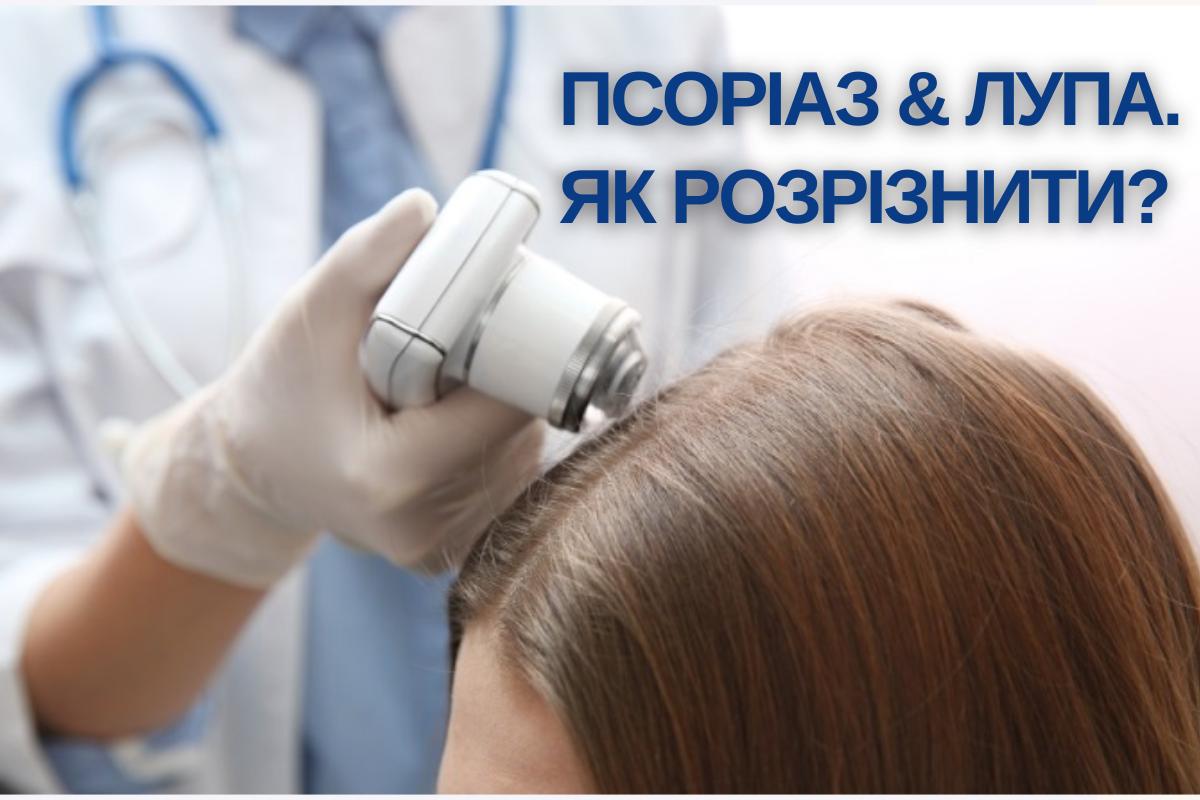
Scalp problems, such as discomfort, itching, and flaking skin, significantly affect a person's emotional state.

pigmentation is a fairly common problem that can appear at any stage of life. It occurs due to uneven distribution of melanin — the pigment responsible for the color of our skin, hair, and eyes.

Historically, it has been the case that a person always strives to maintain youthfulness for longer and to have firm and toned skin, but unfortunately, the loss of skin elasticity is a natural part of the aging process. It affects the condition of the skin, its firmness, and elastin.
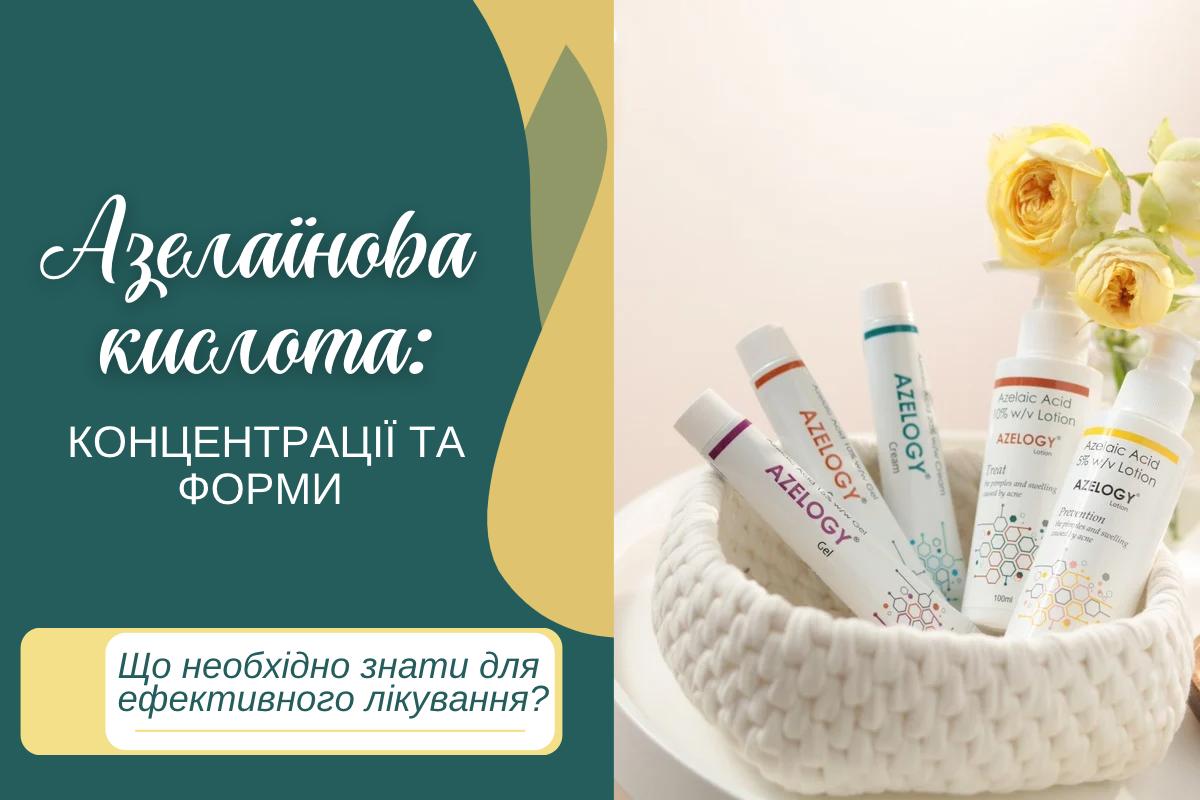
Azelaic acid is a natural component that has anti-inflammatory, antibacterial, and comedolytic properties.


