


Acne Treatment: Modern Approaches to Choosing Topical Therapy
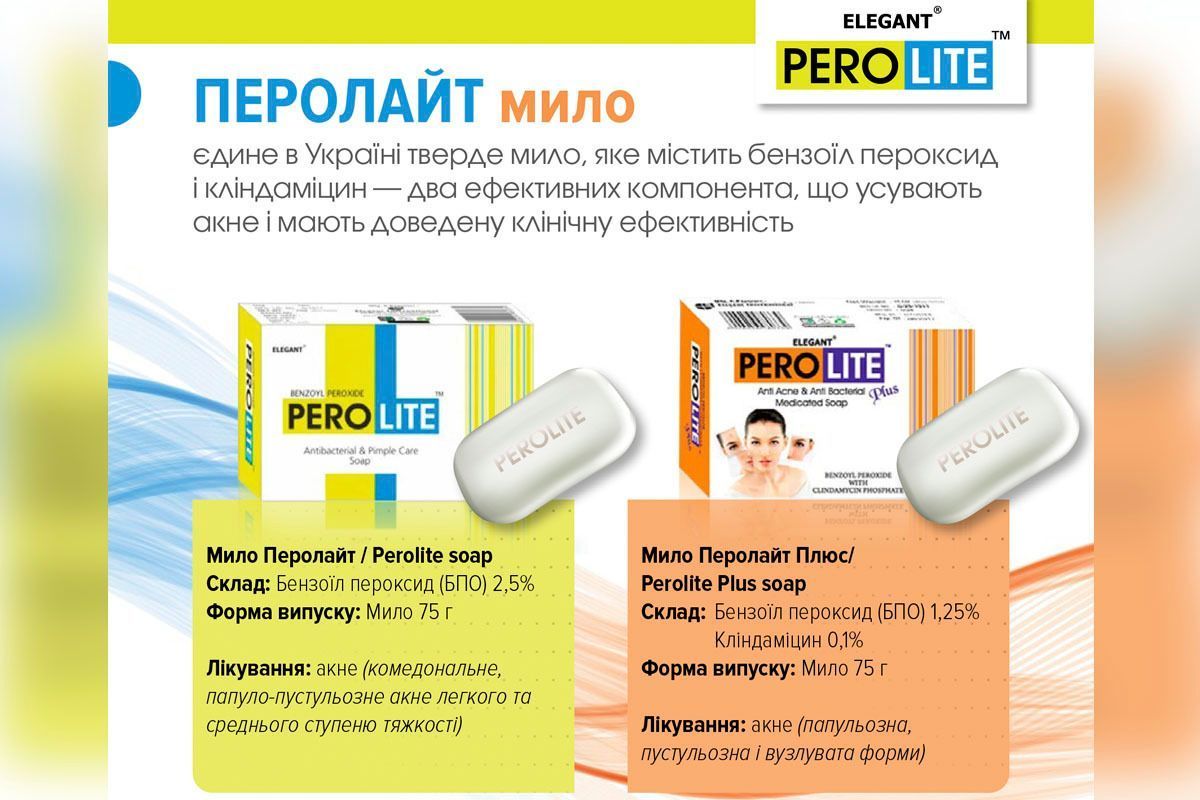
Acne vulgaris (common acne) is a widespread skin condition affecting nearly 85% of adolescents, and it can persist into adulthood. In fact, new therapeutic methods are emerging to address this common skin issue [1]. According to recent studies, novel therapeutic methods are being developed to improve treatment outcomes for patients with acne [2].
Currently, acne treatment options include topical agents, systemic antibiotics, and hormonal therapies. However, due to the emergence of new strains of bacteria, many treatment options may become less effective, leading to a need for alternative approaches [3].
Some studies indicate that the most effective treatment methods for acne include topical agents combined with systemic antibiotics, which can enhance treatment efficacy. The European Dermatology Forum (EDF) recommends benzoyl peroxide (BP) and topical antibiotics as first-line treatments for acne [4,6].
Benzoyl Peroxide (BP)
BP is a well-established topical agent used to treat acne. It works by reducing the number of acne-causing bacteria on the skin and has been shown to be effective in various formulations (2.5-10%) [4,6]. Studies have demonstrated that BP can significantly reduce acne lesions, making it a popular choice among dermatologists.
Topical Antibiotics
Topical antibiotics, such as clindamycin and erythromycin, are often used in combination with BP to enhance treatment efficacy. These agents target the bacteria responsible for acne, helping to reduce inflammation and prevent new lesions from forming. [7] Data suggest that combining topical antibiotics with BP can lead to better outcomes than using either treatment alone [8].
In addition to topical treatments, systemic antibiotics may also be prescribed for moderate to severe acne. These medications can help reduce inflammation and bacterial growth, but they are typically used for a limited duration to minimize potential side effects [9,10].
Combination Therapy
In recent years, combination therapy has gained popularity in acne treatment. This approach involves using multiple agents to target different aspects of acne pathogenesis. For instance, combining BP with topical antibiotics or retinoids can lead to improved treatment outcomes. [11-13] Studies have shown that combination therapies can be more effective than monotherapy in reducing acne lesions and preventing future breakouts.
Topical Retinoids
Topical retinoids, such as tretinoin and adapalene, are also commonly used in acne treatment. These agents help to normalize skin cell turnover, preventing clogged pores and reducing inflammation. [14] They are often used in conjunction with other treatments to enhance overall efficacy.
Conclusion
In summary, acne vulgaris is a common skin condition that can significantly impact an individual's quality of life. Effective treatment options are available, including topical agents, systemic antibiotics, and combination therapies. Dermatologists continue to explore new therapeutic approaches to improve outcomes for patients with acne. [15]
References
- Kraning KK, Odland GF. Prevalence, morbidity and cost of dermatologic diseases. J Invest Dermatol 1979; 73 (Suppl.): 395–40
- Leyden JJ. New understanding of the pathogenesis of acne. J Am Acad Dermatol. 1995;32:515–25. [PubMed]
- Nast A, Dréno B, Bettoli V et al. European Evidence-based (S3) Guidelines for the Treatment of Acnes. J Eur Acad Dermatol Venereol 2012;26 (Suppl. 1): 1–29; doi: 10.1111/j.1468–3082011.04374.
- Plewig G, Kligman AM. Acne and Rosacea. 3rd ed. New York: Springer-Verlag; 2000.
- Packman AM, Brown RH, Dunlap FE, Kraus SJ, Webster GF. Treatment of acne vulgaris: Combination of 3% erythromycin and 5% benzoyl peroxide in a gel compared to clindamycin phosphate lotion. Int J Dermatol. 1996;35:209–11. [PubMed]
- Bojor RA, Cunliffe WJ, Holland KT. The short term treatment of acne vulgaris with benzoyl peroxide: Effects on the surface and follicular cutaneous microflora. Br J Dermatol. 1995;132:204–8. [PubMed]
- Eady EA, Cove JH, Joanes DN, Cunliffe WJ. Topical antibiotics for the treatment of acne vulgaris: A critical evaluation of the literature on their clinical benefit and comparative efficacy. J Dermatol Treat. 1990;1:215–26.
- Mills OH, Jr, Kligman AM, Pochi P, Comite H. Comparing 2.5%, 5% and 10% benzoyl peroxide on inflammatory acne vulgaris. Int J Dermatol. 1986;25:664–7. [PubMed]
- Yang DJ, Quan LT, Hsu S. Topical antibacterial agents. In: Wolverton SE, editor. comprehensive dermatologic drug therapy. 2nd ed. Philadelphia: Saunders Elsevier; 2007. pp. 525–46.
- Fyrand O, Jakobsen HB. Water-based versus alcohol-based benzoyl peroxide preparations in the treatment of acne vulgaris. Dermatologica. 1986;172:263–7. [PubMed]
- Krishnan G. Comparison of two concentrations of tretinoin solution in the topical treatment of acne vulgaris. Practitioner. 1976;216:106–9. [PubMed]
- Shalita A, Weiss JS, Chalker DK, Ellis CN, Greenspan A, Katz HI, et al. A comparison of the efficacy and safety of adapalene gel 0.1% and tretinoin gel 0.025% in the treatment of acne vulgaris: A multicentric trial. J Am Acad Dermatol. 1996;34:482–5. [PubMed]
- Leyden JJ, Shalita A, Thiboutot D, Washenik K, Webster G. Topical tretinoin in inflammatory acne: A retrospective, investigator-blinded, vehicle-controlled, photographic assessment. Clin Ther. 2005;27:216–24. [PubMed]
- Krautheim A, Gollnick H. Acne; topical treatment. Clin Dermatol. 2004;22:398–407. [PubMed]
- Jain S. Topical tretinoin or adapalene in acne vulgaris: An overview. J Dermatol Treat. 2004;15:200–7. [PubMed]
- Shalita A, Weiss JS, Chalker DK, Ellis CN, Greenspan A, Katz HI, et al. A comparison of the efficacy and safety of adapalene 0.1% and tretinoin gel 0.025% in the treatment of acne vulgaris: A multicentric trial. J Am Acad Dermatol. 1996;34:482–5. [PubMed]
- Percy SH. Safety and efficacy of adapalene gel 0.1% in acne vulagaris: Results of post-marketing surveillance study. Indian J Dermatol Venereol Leprol. 2003;69:277–80. [PubMed]
- Johnson BA, Nunley JR. Topical therapy for acne vulgaris. How do you choose the best drug for each patient? Postgrad Med. 2000;107:73. [PubMed]
- Dobson RL, Belknap BS. Topical erythromycin solution in acne. Results of multicentric trial. J Am Acad Dermatol. 1980;3:478–82. [PubMed]
- Shalita AR, Smith EB, Bauer E. Topical erythromycin vs clindamycin therapy for acne - A multicenter, double-blind comparison. Arch Dermatol. 1984;120:351–5. [PubMed]
- Kurokawa I, Nishijima S, Kawabata S. Antimicrobial susceptibility of Propionibacterium acne isolated from acne vulgaris. Eur J Dermatol. 1999;9:25–8. [PubMed]
- Simonart T, Dramaix M. Treatment of acnes with topical antibiotics: lessons from clinical studies. Br J Dermatol 2005;153 (2): 395–403.
- Parry MF, Rha CK. Pseudomembranous colitis caused by topical clindamycin phosphate. Arch Dermatol. 1986;122:583–4. [PubMed]
- Lyon RE. Comparative effectiveness of benzoyl peroxide and tretinoin in acne vulgaris. Int J Dermatol. 1978;17:246–51. [PubMed]
- Chu A, Huber FJ, Plott RT. The comparative efficacy of benzoyl peroxide 5%/ erythromycin 3% gel and erythromycin 4%/ zinc 1.2% solution in the treatment of acne vulgaris. Br J Dermatol. 1997;136:235–8. [PubMed]
- Leyden JJ, Berger RS, Dunlap FE, Ellis CN, Connolly MA, Levy SF. Comparison of the efficacy and safety of a combination topical gel formulation of benzoyl peroxide and clindamycin with benzoyl peroxide, clindamycin and vehicle gel in the treatment of acne vulgaris. Am J Clin Dermatol. 2001;2:33–9. [PubMed]
- DelRosso JQ. Combination topical therapy in the treatment of acne. Cutis. 2006;78:5–12. [PubMed]
- Zouboulis CC, Derumeaux L, Decroix J, Maciejewska-Udziela B, Cambazard F, Stuhlert A. A multicentric, single-blind, randomized comparison of fixed clindamycin phosphate/tretinoin gel formulation (Velac) applied once daily and a clindamycin lotion formulation (Dalacin T) applied twice daily in the treatment of acne vulgaris. Br J Dermatol. 2000;143:498–505. [PubMed]
News
All news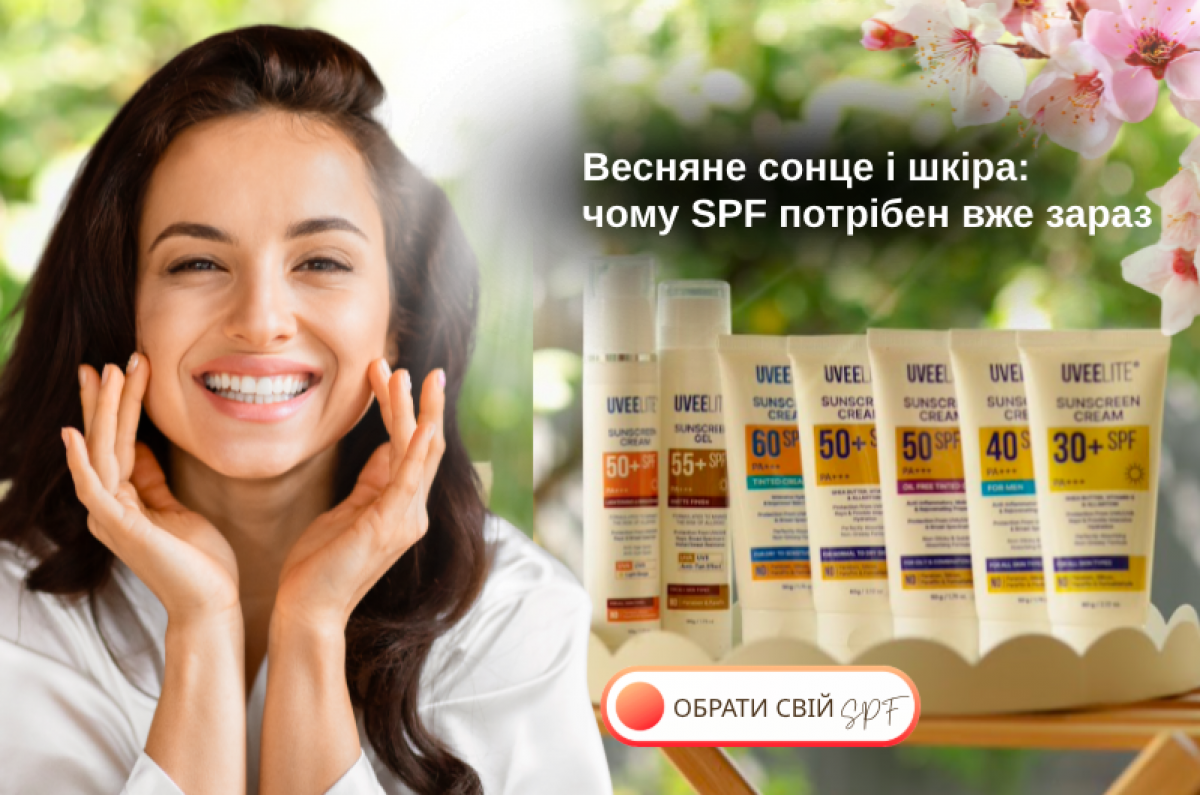
With the first warm days, you want to spend more time in the sun. The spring sun rays seem soft and safe, but during this period, the skin is particularly vulnerable after winter. A weakened protective barrier and dryness make it more sensitive to ultraviolet light. Therefore, sun protection in spring is just as important as in summer.
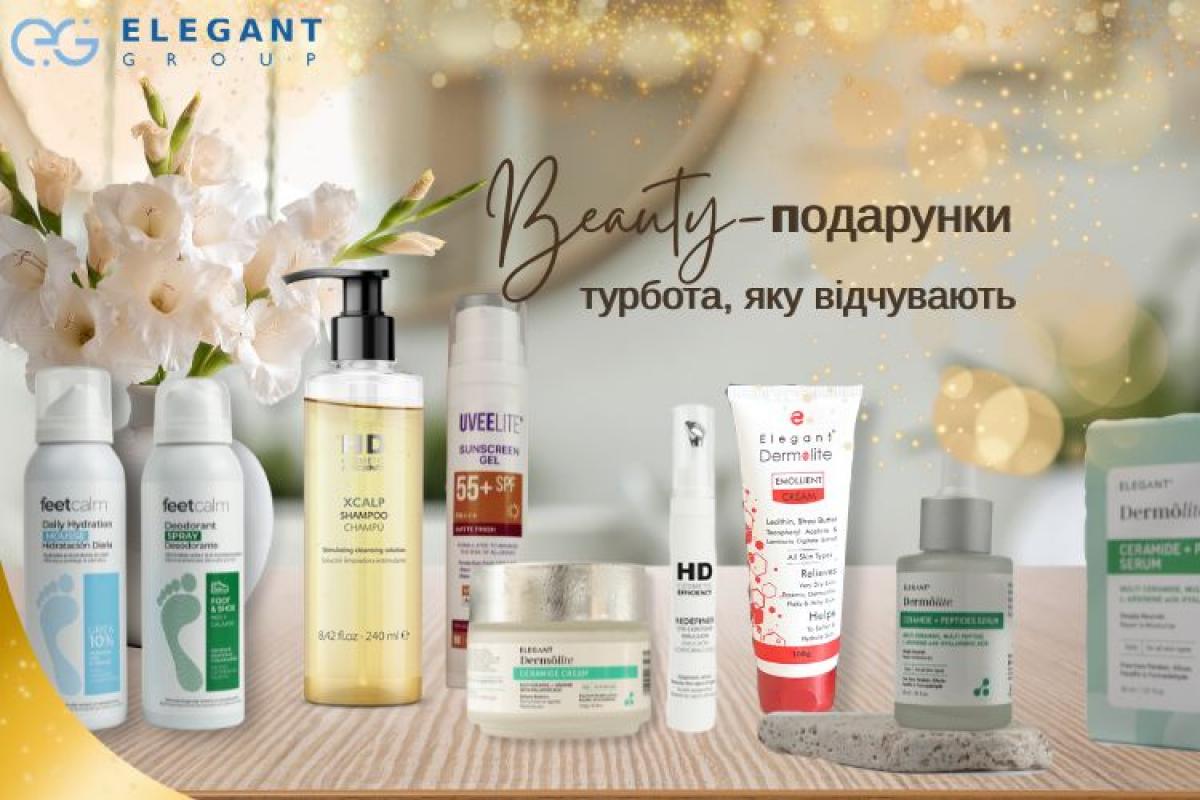
Skincare is more than just aesthetics. It's a daily ritual that reminds us of self-love, of taking time for ourselves, of comfort. That's why quality skincare is a universal gift, suitable for any occasion: a birthday, a professional holiday, an anniversary, or simply as a gesture of attention without a reason.
We have gathered beauty ideas that not only bring pleasant emotions but also deliver real results.
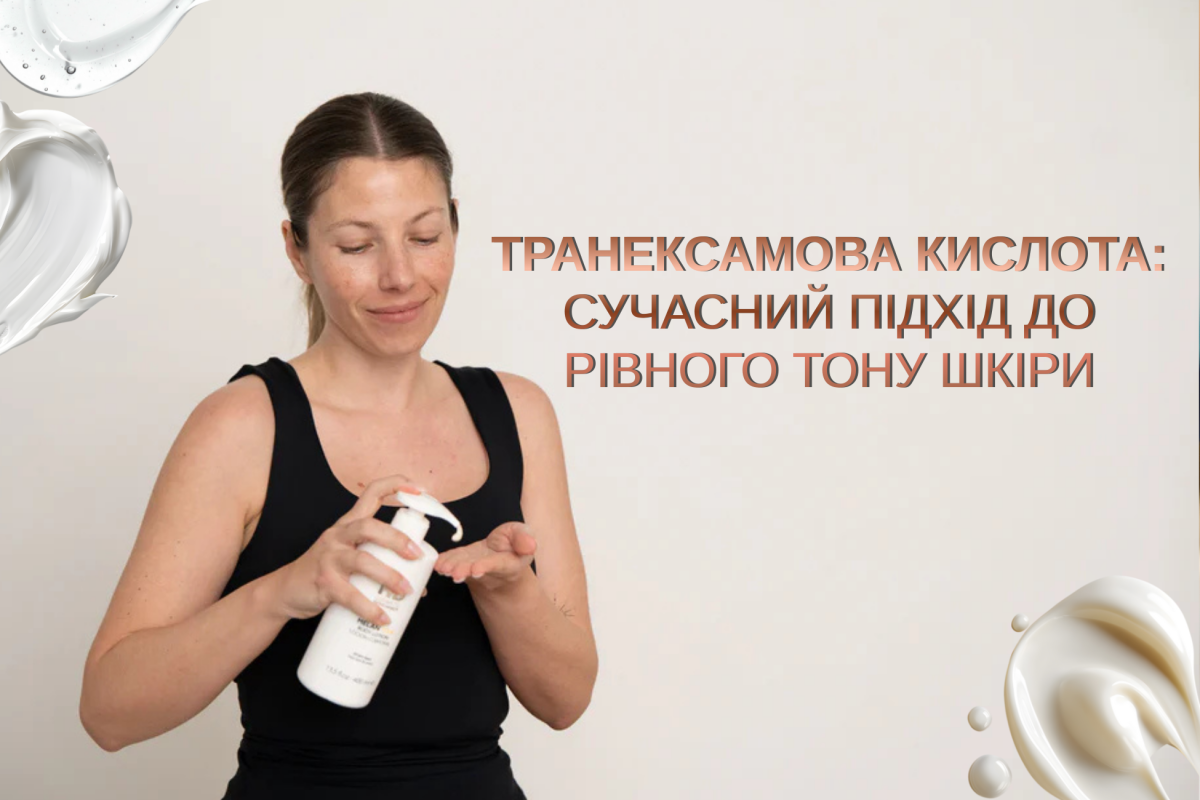
Pigment spots are an unpleasant dermatological problem influenced by various factors, such as the sun, hormonal and age-related changes affecting the production of melanin, leading to hyperpigmentation. How does this acid work in skincare dermocosmetics? Read on in the material.
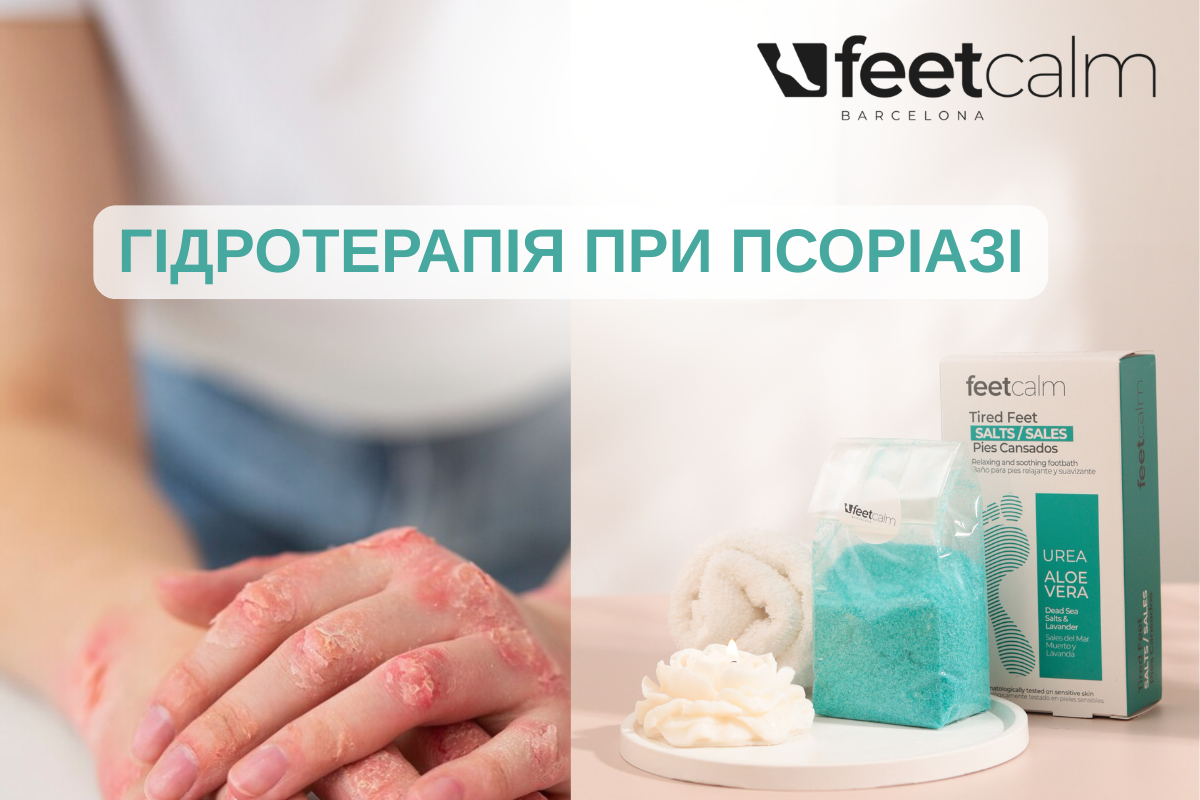
PSORIASIS IS AN IMMUNOLOGICALLY MEDIATED DISEASE THAT MANIFESTS WITH SYMPTOMS ON THE SKIN AND SOMETIMES IN THE JOINTS.
Psoriasis affects 2% to 3% of the population of Ukraine.
Treatment of psoriasis at the modern stage includes a complex of systemic and topical agents, as well as physiotherapy methods, including the use of water procedures (hydrotherapy), which are prescribed to patients individually depending on the stage of the dermatosis, accompanying somatic diseases, etc.
In the field of manicure and pedicure, the hands of the master are their main tool. They constantly come into contact with aggressive chemicals, nail dust, dyes, and other irritants.
If you have previously used retinoids and AHA acids, you probably know that retinoids work deep within the layers of the skin. In contrast, AHA acids only work on the upper layers of the dermis.
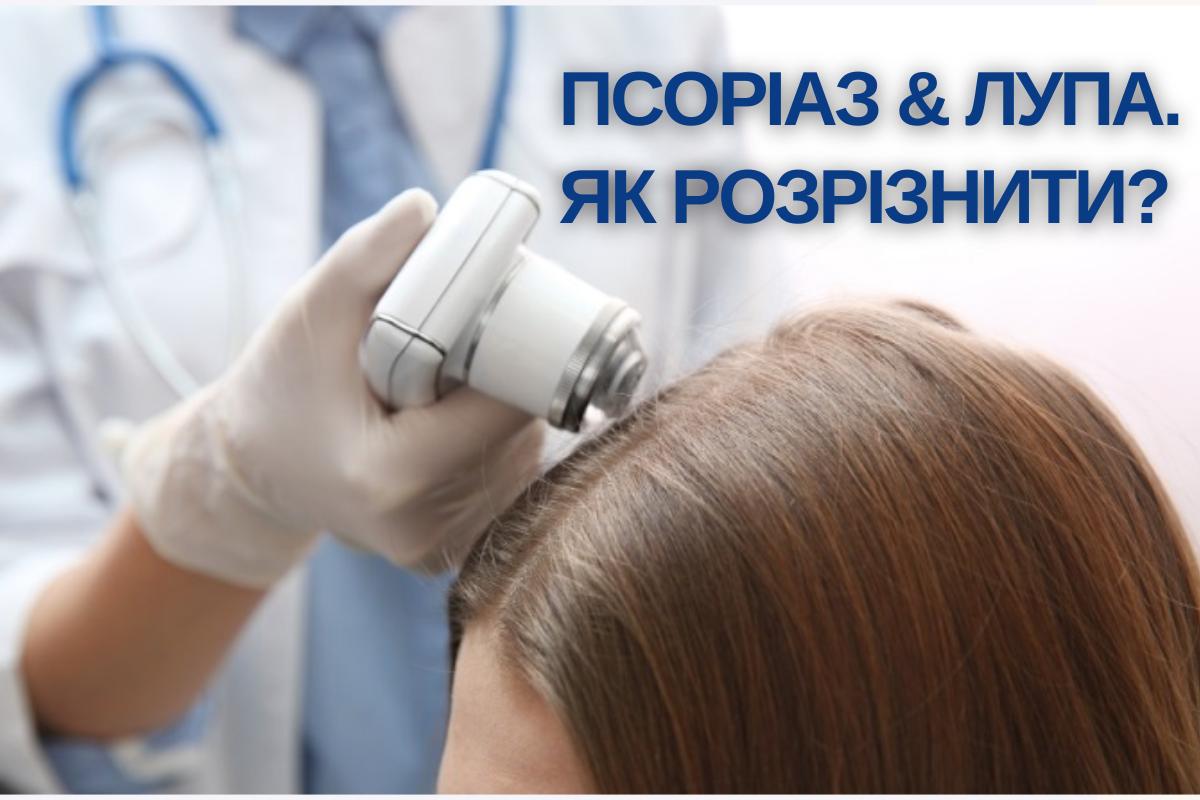
Scalp problems, such as discomfort, itching, and flaking skin, significantly affect a person's emotional state.

pigmentation is a fairly common problem that can appear at any stage of life. It occurs due to uneven distribution of melanin — the pigment responsible for the color of our skin, hair, and eyes.

Historically, it has been the case that a person always strives to maintain youthfulness for longer and to have firm and toned skin, but unfortunately, the loss of skin elasticity is a natural part of the aging process. It affects the condition of the skin, its firmness, and elastin.
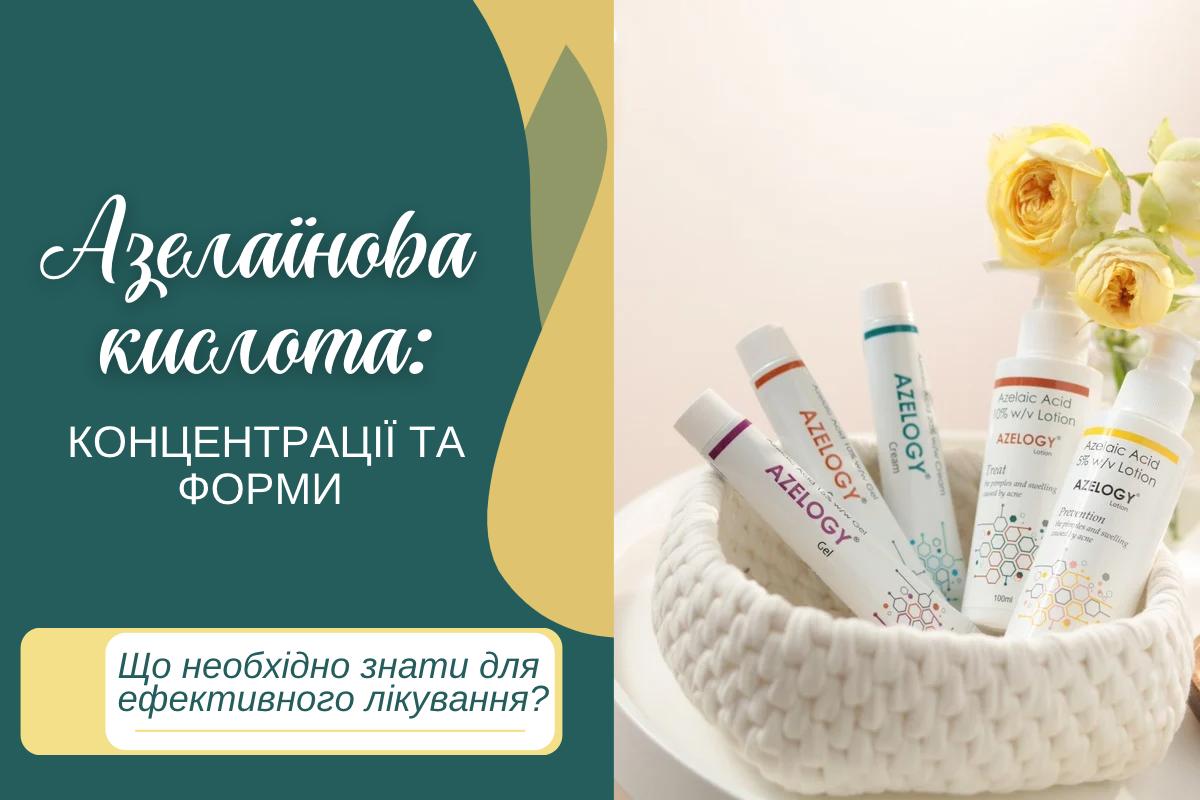
Azelaic acid is a natural component that has anti-inflammatory, antibacterial, and comedolytic properties.


