


Shea Butter: Properties and Benefits
The skin is one of the most important organs in the human body. It has a number of important functions:
- prevents moisture loss;
- provides protection against bacteria entering the body;
- regulates body temperature, as well as fat and water accumulation.
Due to its continuous work, the skin needs help to function properly. Therefore, it is important to take proper care of the skin.
One effective way to support skin health is by using natural ingredients. In this article, we will discuss the properties and benefits of using Shea butter in skin care. This oil, which is naturally obtained from the nuts of the Shea tree, is loved by both patients and dermatologists around the world.
Properties:
Shea butter, or karité oil, is a thick oily mixture. It has a solid form at high temperatures.
The component is rich in phenols and plant sterols, which have anti-inflammatory and antioxidant properties. Its high concentration of vitamins and fatty acids, combined with a consistency that is easy to apply, makes it an excellent product for smoothing, soothing, and conditioning the skin.
Why should you use Shea butter in your daily care?
1. Shea butter is safe for all skin types
This component is technically a product of tree nuts. However, unlike most products, it contains very few proteins that can cause allergies.
In fact, there is no medical literature confirming an allergy to the topical application of Shea butter.
2. Moisturizing properties
Shea butter is commonly used for its moisturizing effect. These benefits are related to the fatty acid content of Shea, including linoleic, oleic, stearic, and palmitic acids.
When you apply Shea topically, these oils are quickly absorbed into your skin. They act as a "moisturizer," restoring lipids and rapidly creating moisture. This restores the barrier between your skin and the environment, retaining moisture and reducing the risk of dryness.
3. Shea butter will not make your skin oily
It contains a high amount of linoleic and oleic acids. These two acids balance each other out. That is why your skin easily and completely absorbs the oil.
4. Anti-inflammatory action
The plant-based essential oils in Shea slow down the production of inflammatory cells when applied to the skin and minimize irritation caused by environmental factors such as dry weather, as well as inflammatory skin conditions like eczema.
5. Shea butter is a great antioxidant.
It contains vitamins A and E, which contribute to strong antioxidant activity. Shea butter also helps reduce the appearance of fine lines and wrinkles. The component increases collagen production and, by promoting the formation of new cells, reduces the signs of photoaging.
6. Antibacterial and antifungal effect
Shea tree products have been recognized as powerful ingredients for combating skin infections caused by fungi.
7. Shea butter is rich in various types of fatty acids
This unique composition helps cleanse your skin of excess oil (sebum). At the same time, Shea butter restores your skin's moisture and retains it in the epidermis, so your skin does not dry out but instead rejuvenates, which can help stop acne before it appears.
Shea butter in products
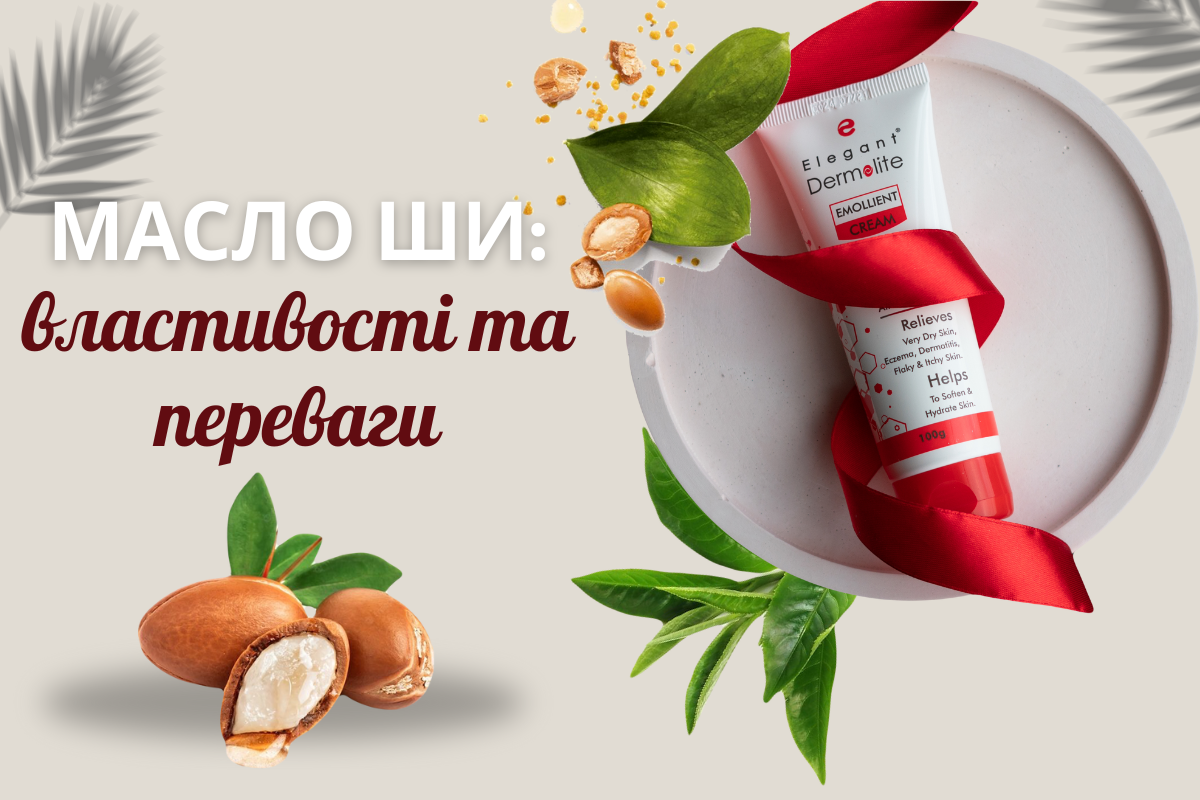
If you want to get the most benefit from Shea butter, choose a lightweight moisturizer Dermolite Emollient. The cream also contains allantoin, which, in combination with Shea butter, enhances each other's effects. The combination of these components promotes skin regeneration, accelerates wound healing, reduces the likelihood of keloid scar formation, and makes the skin more firm and elastic.
News
All news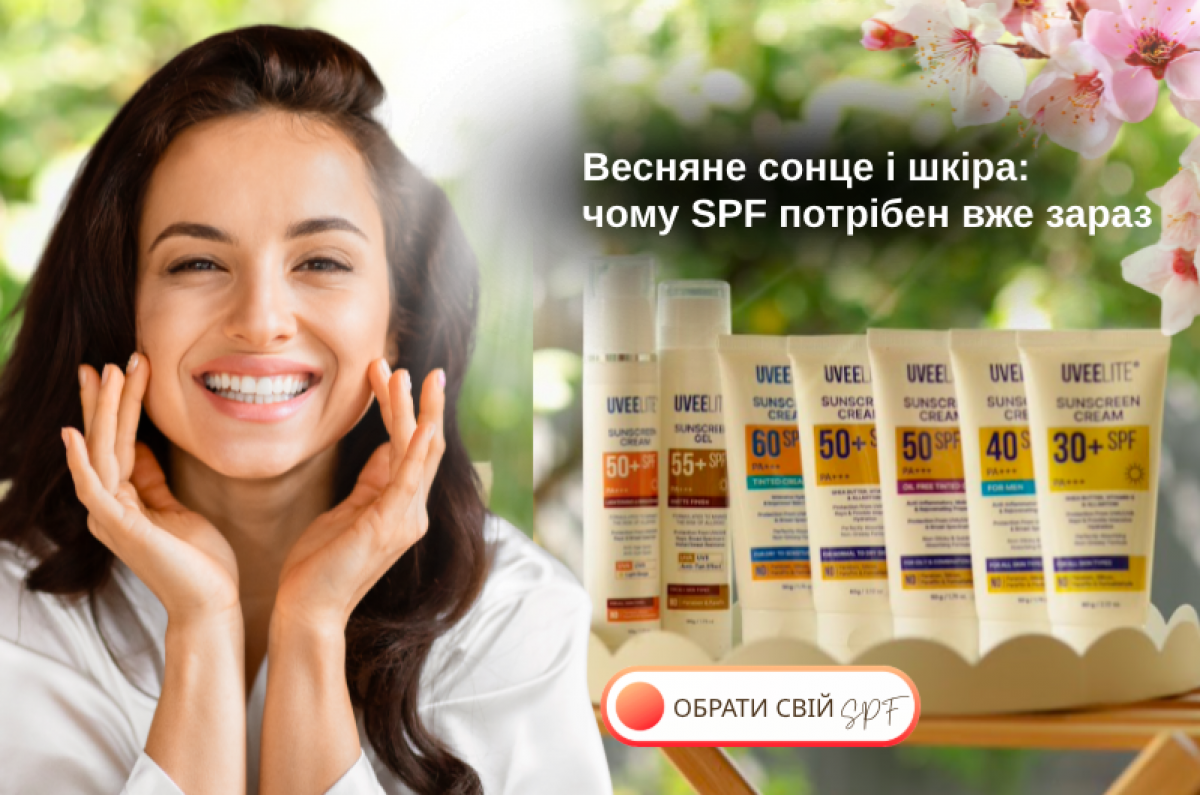
With the first warm days, you want to spend more time in the sun. The spring sun rays seem soft and safe, but during this period, the skin is particularly vulnerable after winter. A weakened protective barrier and dryness make it more sensitive to ultraviolet light. Therefore, sun protection in spring is just as important as in summer.
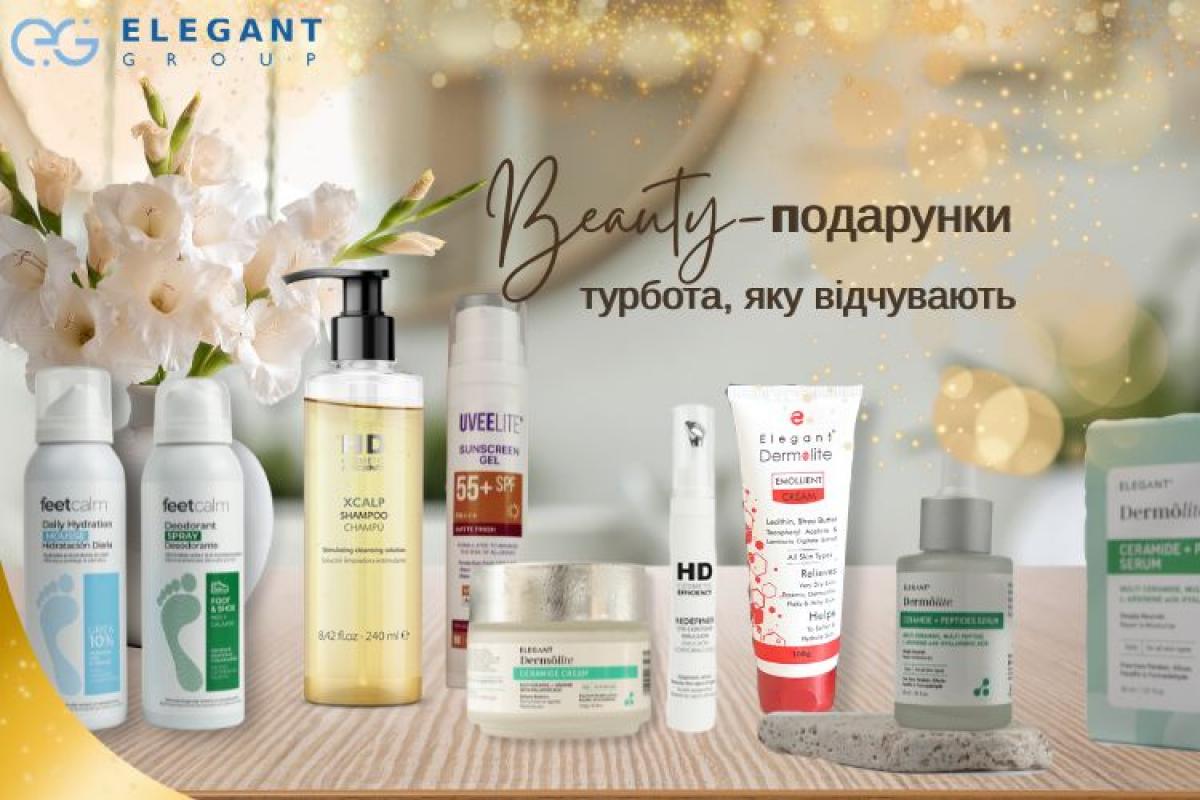
Skincare is more than just aesthetics. It's a daily ritual that reminds us of self-love, of taking time for ourselves, of comfort. That's why quality skincare is a universal gift, suitable for any occasion: a birthday, a professional holiday, an anniversary, or simply as a gesture of attention without a reason.
We have gathered beauty ideas that not only bring pleasant emotions but also deliver real results.
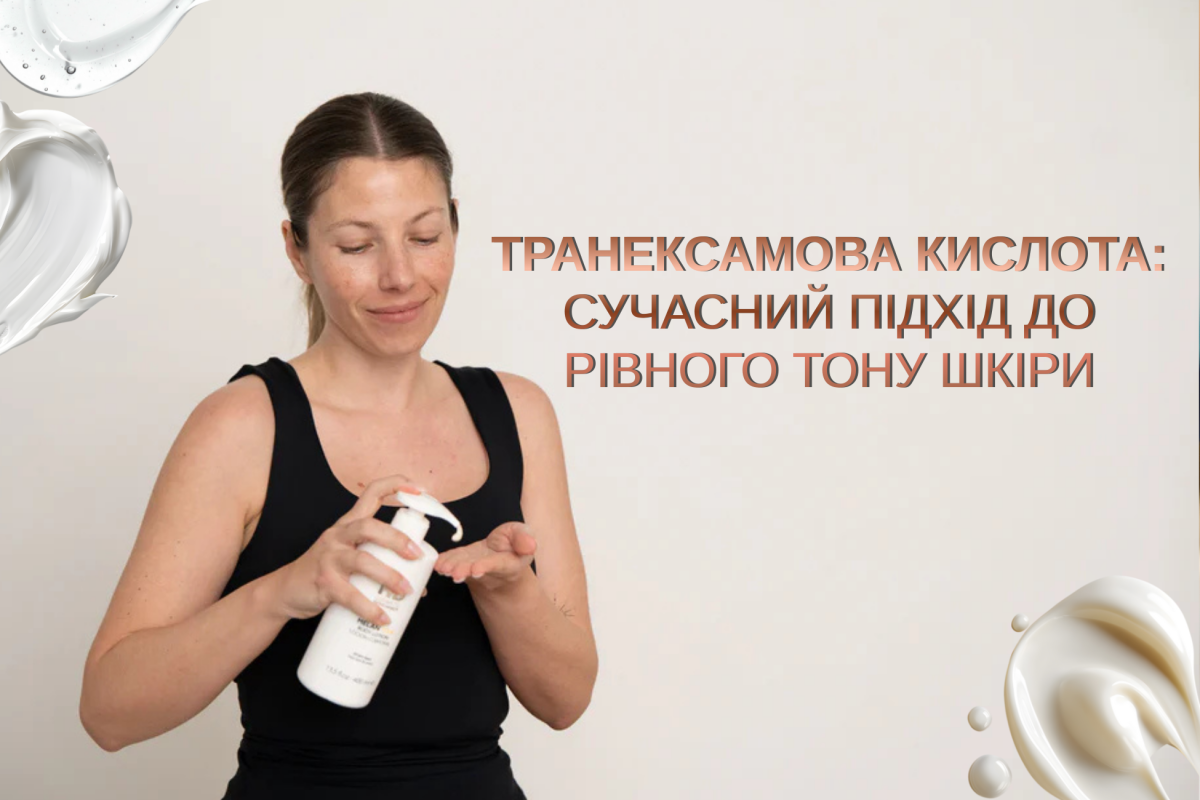
Pigment spots are an unpleasant dermatological problem influenced by various factors, such as the sun, hormonal and age-related changes affecting the production of melanin, leading to hyperpigmentation. How does this acid work in skincare dermocosmetics? Read on in the material.
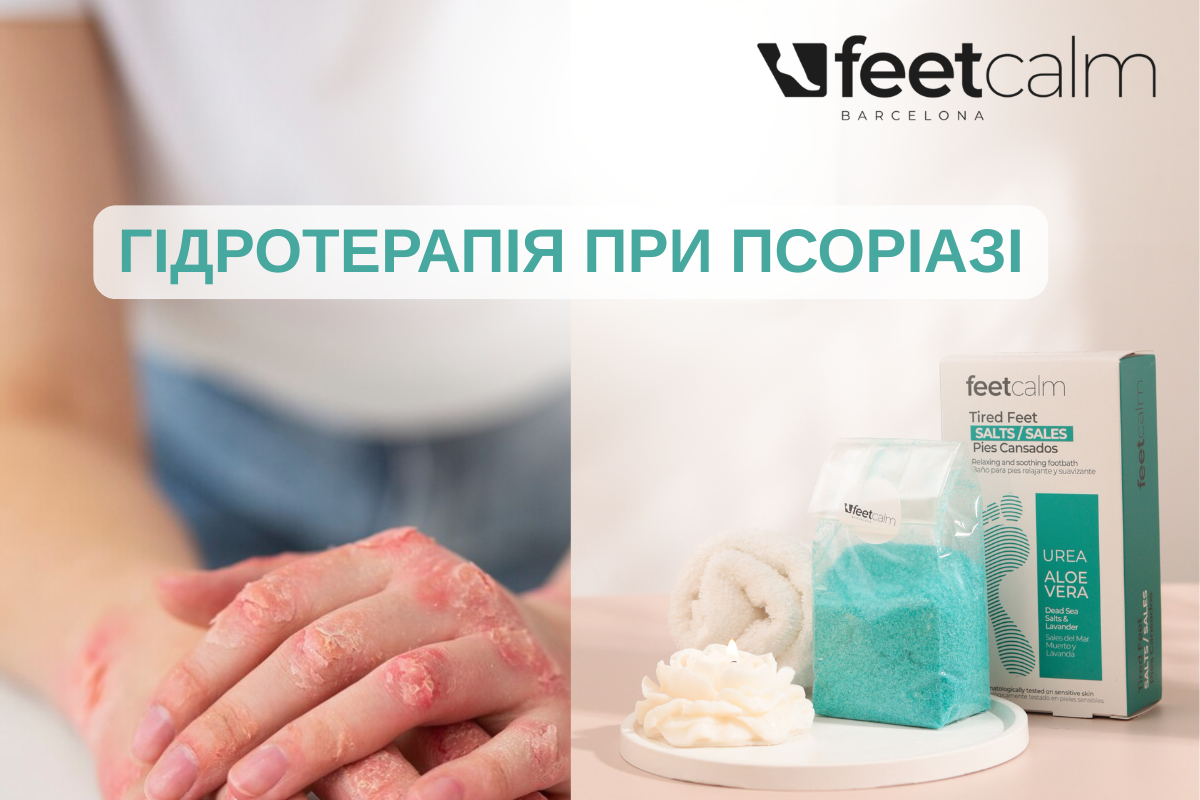
PSORIASIS IS AN IMMUNOLOGICALLY MEDIATED DISEASE THAT MANIFESTS WITH SYMPTOMS ON THE SKIN AND SOMETIMES IN THE JOINTS.
Psoriasis affects 2% to 3% of the population of Ukraine.
Treatment of psoriasis at the modern stage includes a complex of systemic and topical agents, as well as physiotherapy methods, including the use of water procedures (hydrotherapy), which are prescribed to patients individually depending on the stage of the dermatosis, accompanying somatic diseases, etc.
In the field of manicure and pedicure, the hands of the master are their main tool. They constantly come into contact with aggressive chemicals, nail dust, dyes, and other irritants.
If you have previously used retinoids and AHA acids, you probably know that retinoids work deep within the layers of the skin. In contrast, AHA acids only work on the upper layers of the dermis.
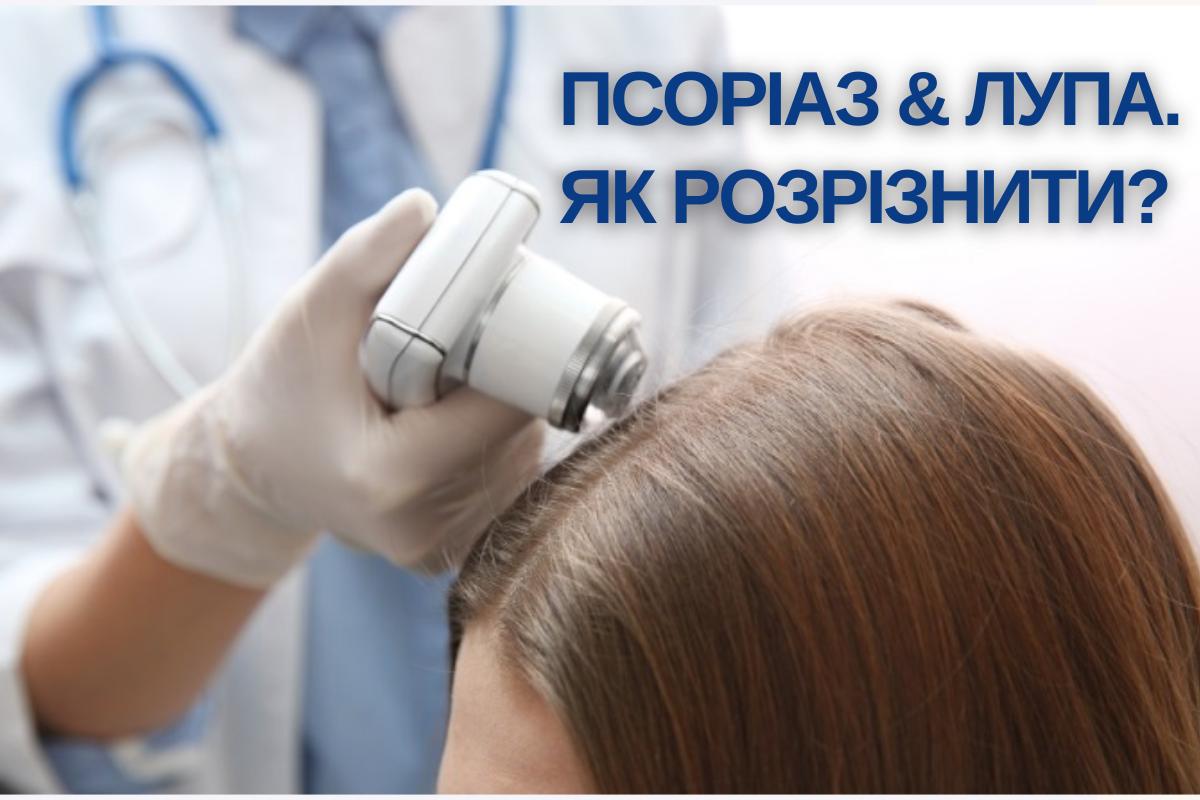
Scalp problems, such as discomfort, itching, and flaking skin, significantly affect a person's emotional state.

pigmentation is a fairly common problem that can appear at any stage of life. It occurs due to uneven distribution of melanin — the pigment responsible for the color of our skin, hair, and eyes.

Historically, it has been the case that a person always strives to maintain youthfulness for longer and to have firm and toned skin, but unfortunately, the loss of skin elasticity is a natural part of the aging process. It affects the condition of the skin, its firmness, and elastin.
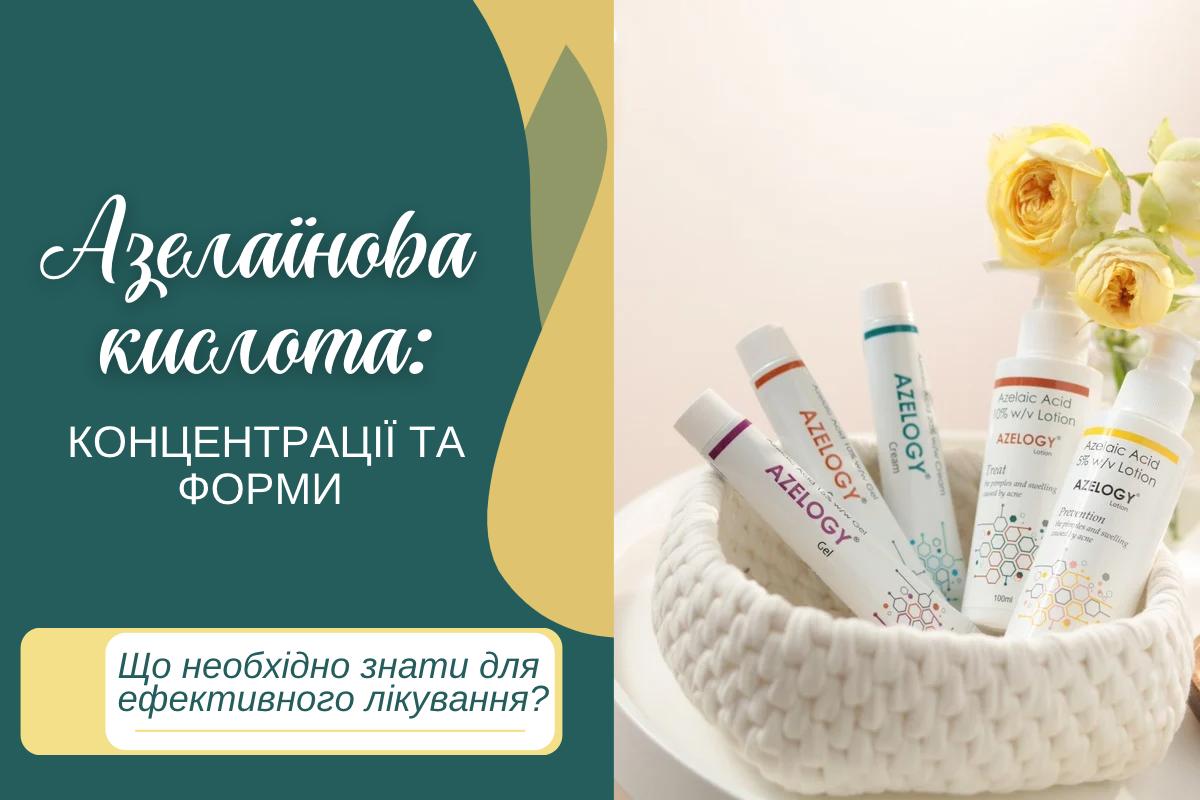
Azelaic acid is a natural component that has anti-inflammatory, antibacterial, and comedolytic properties.


