


Microcomedomes and their consequences

Microcomedonal formations can be aesthetically and psychologically unpleasant, even if they are less pronounced than comedones or acne. The worst part is that if they are not prevented and treated, the lesions can progress and turn into comedones or inflammatory pimples.
Why microcomedones appear and how to get rid of them - we will explore further in the article.
What is a microcomedone and what causes its appearance?
The presence of unwanted rashes or formations on the skin always implies the presence of several factors, one of which is the blockage of the follicular sebaceous duct, which can be a result of follicular hyperkeratinization and excessive production of sebum, leading to the formation of a follicular plug. Unfortunately, all acne lesions have one source - the microcomedone.
Microcomedones, which represent invisible to the naked eye microscopic central lesions that precede pimples, are induced by sebaceous hyperplasia, as well as altered follicular growth and differentiation, and can turn into both comedones and inflammatory lesions (acne, pimples). Thus, focusing on the formation of microcomedones is crucial for the prevention and therapeutic control of acne.
A microcomedone is the initial stage of comedone formation. Microcomedones, like comedones, can be open or closed. Microcomedones have a white or yellowish color and are usually located on the face, most often on the chin, nose, and forehead.
Another common cause of microcomedones is the bacteria C. acnes, a type of bacteria that provoke skin rashes, i.e., inflammation of the sebaceous glands. It is C. acnes that actively participate in the formation of microcomedones (sebaceous plugs).
Insufficient skin hygiene can also be a cause of microcomedones. Improper cleansing and contact with household items can clog follicles and hinder the full functioning of the sebaceous hair ducts. The appearance of microcomedones can also be triggered by low-quality cosmetic products.
Prevention and treatment of microcomedones
It is important to note that it is better to prevent the formation of microcomedones than to treat them later. Here are some tips for the prevention and combat against microcomedones:
-
Thorough skin cleansing: Regular cleansing of the facial skin can help avoid the formation of microcomedones. Use non-greasy cleansers suitable for your skin type and cleanse your skin twice a day. For example, products with salicylic acid or benzoyl peroxide, as they can help reduce excess sebum and prevent the formation of microcomedones.
-
Use of exfoliants: Exfoliating products help remove dead skin cells, which can prevent the formation of comedones. However, it is important to choose exfoliants with gentle ingredients to avoid skin irritation. Look for gentle cleansing foams with AHA and BHA acids.
-
Moisturizing the skin: Ensure adequate skin hydration by using moisturizers suitable for your skin type.
-
Use of products with retinoids: Products with retinoids can help reduce the formation of comedones by decreasing sebum production and stimulating skin cell renewal. You can choose products with tretinoin, which effectively help combat unwanted rashes. For example, Eleneon cream with a minimal content of the component - tretinoin - 0.025%. Consult a dermatologist for recommendations on using such products.
-
Avoiding tanning: Ultraviolet radiation can increase sebum production and contribute to the formation of comedones. Protect your facial skin from the sun, wear hats, and apply sunscreen.
-
Choosing cosmetics with gentle ingredients: Avoid using cosmetic products that can clog pores and contribute to the formation of comedones. Choose non-greasy, non-comedogenic products.
By combining these recommendations, you can reduce the risk of microcomedone formation and improve the condition of your skin. However, if you already have problems with comedones or other acne, it is better to consult a dermatologist for individual advice and treatment recommendations.
News
All news
With the first warm days, you want to spend more time in the sun. The spring sun rays seem soft and safe, but during this period, the skin is particularly vulnerable after winter. A weakened protective barrier and dryness make it more sensitive to ultraviolet light. Therefore, sun protection in spring is just as important as in summer.

Skincare is more than just aesthetics. It's a daily ritual that reminds us of self-love, of taking time for ourselves, of comfort. That's why quality skincare is a universal gift, suitable for any occasion: a birthday, a professional holiday, an anniversary, or simply as a gesture of attention without a reason.
We have gathered beauty ideas that not only bring pleasant emotions but also deliver real results.

Pigment spots are an unpleasant dermatological problem influenced by various factors, such as the sun, hormonal and age-related changes affecting the production of melanin, leading to hyperpigmentation. How does this acid work in skincare dermocosmetics? Read on in the material.

PSORIASIS IS AN IMMUNOLOGICALLY MEDIATED DISEASE THAT MANIFESTS WITH SYMPTOMS ON THE SKIN AND SOMETIMES IN THE JOINTS.
Psoriasis affects 2% to 3% of the population of Ukraine.
Treatment of psoriasis at the modern stage includes a complex of systemic and topical agents, as well as physiotherapy methods, including the use of water procedures (hydrotherapy), which are prescribed to patients individually depending on the stage of the dermatosis, accompanying somatic diseases, etc.

In the field of manicure and pedicure, the hands of the master are their main tool. They constantly come into contact with aggressive chemicals, nail dust, dyes, and other irritants.

If you have previously used retinoids and AHA acids, you probably know that retinoids work deep within the layers of the skin. In contrast, AHA acids only work on the upper layers of the dermis.
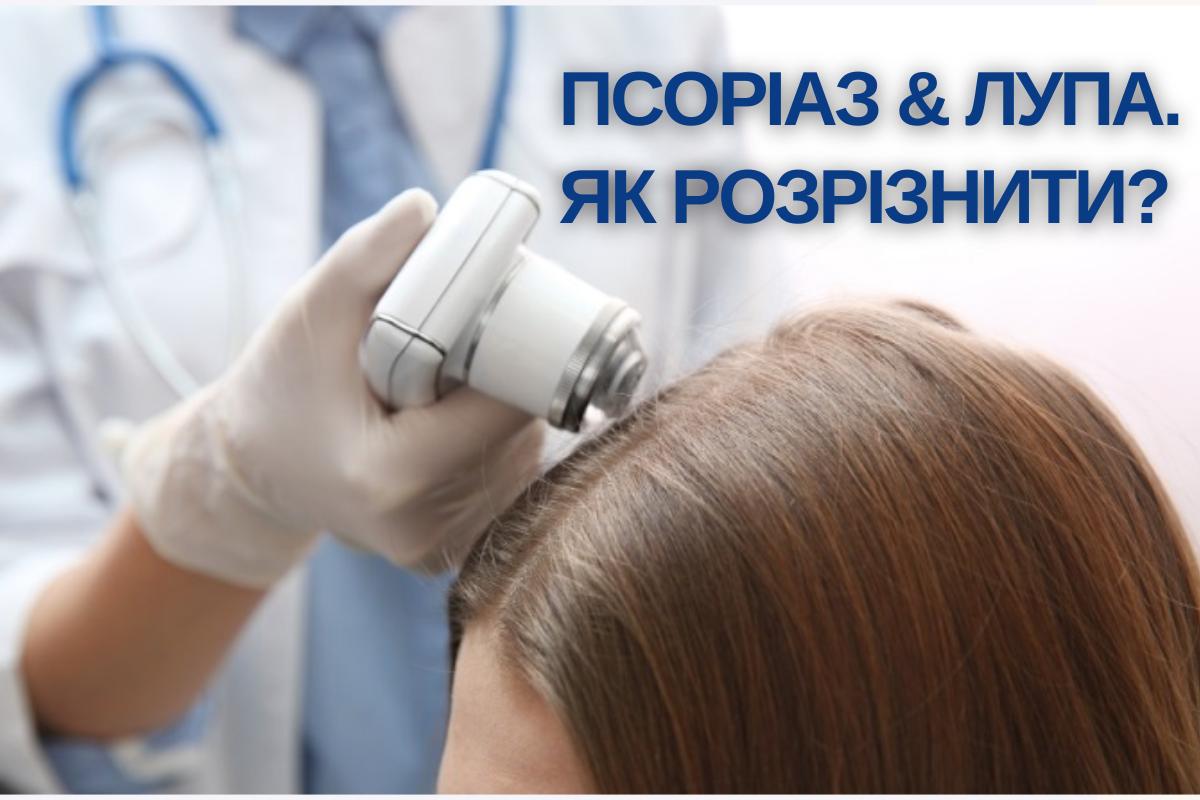
Scalp problems, such as discomfort, itching, and flaking skin, significantly affect a person's emotional state.

pigmentation is a fairly common problem that can appear at any stage of life. It occurs due to uneven distribution of melanin — the pigment responsible for the color of our skin, hair, and eyes.

Historically, it has been the case that a person always strives to maintain youthfulness for longer and to have firm and toned skin, but unfortunately, the loss of skin elasticity is a natural part of the aging process. It affects the condition of the skin, its firmness, and elastin.

Azelaic acid is a natural component that has anti-inflammatory, antibacterial, and comedolytic properties.


