


Skin pH: why is it important?
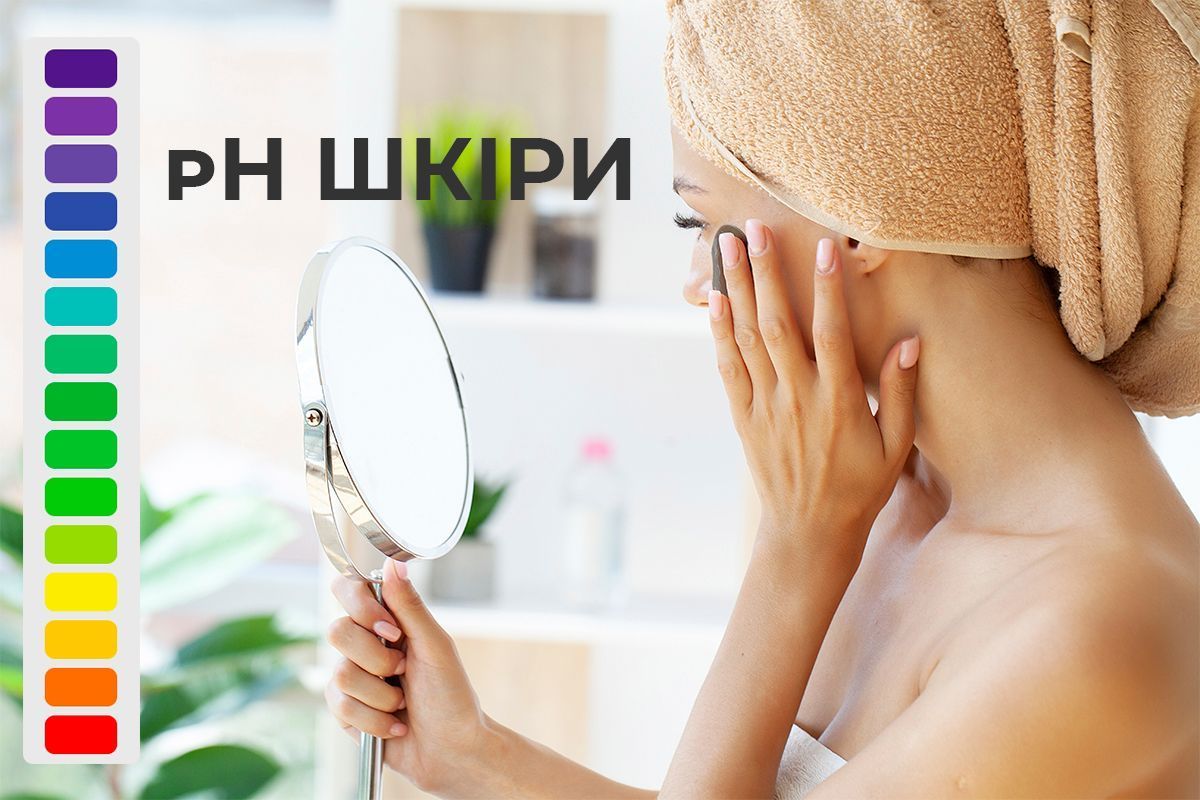
Chlorine levels, as a rule, may significantly affect the pH level of your swimming pool. Such factors, as the natural sediment that your water may accumulate due to the chlorine, might influence the rising pH levels. To maintain a stable pH level in your pool, you should regularly check the pH level of your pool water. For those who maintain their swimming pool, it is advisable to monitor this parameter, which can significantly affect the overall quality of your pool water.
The pH level indicates the acidity or alkalinity of the water in your swimming pool. So, what is the ideal pH level for your pool?
Maintaining the pH level of your pool is essential for ensuring the safety of swimmers and for preventing damage to the pool’s equipment and surfaces.
How to measure the pH levels:
The pH scale ranges from 1 to 14, with 7 being considered “neutral” on the scale. Typically, for swimming pools, the ideal pH level is 7. If the pH is below 7, the water is considered acidic, while above 7, it is alkaline. Generally, the pH level of pool water should be between 7.2 and 7.8. Maintaining a pH level within this range will help ensure that the water is comfortable for swimmers and will help prevent corrosion of pool equipment. It is important to regularly test the pH level of your pool water to ensure it remains within this ideal range.
As a rule, pool water should have a pH level between 4 and 7. To maintain this, regularly testing the pH level of your pool water is essential. In most cases, the ideal pH level for your pool should be between 7.2 and 7.8. If the pH level is too low, it can cause skin irritation, while a high pH level can lead to scaling and cloudy water.
Regularly testing the pH level of your pool water is crucial to ensure it remains safe for swimmers. It is advisable to test the pH level at least once a week, especially during the summer months when pool usage is higher.
Factors that can affect the pH level of your pool include:
- rainwater
- pool chemicals
- swimming pool usage
- temperature and sunlight
- debris from the environment
- water evaporation
- pool maintenance practices
These factors may significantly influence the pH level of your pool water. Therefore, it is essential to regularly monitor the pH level to maintain a safe and comfortable swimming environment.
How to adjust the pH level of your pool:
- Use pH increasers or decreasers as needed.
Regularly check the pH level of your pool water to ensure it stays within the ideal range. If the pH level is too high, you may need to add a pH decreaser to lower it. Conversely, if the pH level is too low, you may need to add a pH increaser to raise it.
- pH increasers
- pH decreasers
Maintaining the correct pH level in your pool is essential for ensuring a safe and enjoyable swimming experience. Regular testing and adjustments will help keep your pool water in optimal condition.
In conclusion, maintaining the pH level of your pool is crucial for the health and safety of swimmers.
- Regularly check the pH level of your pool water.
By keeping the pH level within the recommended range, you can ensure a safe and pleasant swimming environment for everyone.
Be proactive in maintaining your pool’s pH level to prevent any potential issues that may arise from improper chemical balance.
Regular maintenance and testing will help keep your pool water clean and safe for all swimmers.
News
All news
With the first warm days, you want to spend more time in the sun. The spring sun rays seem soft and safe, but during this period, the skin is particularly vulnerable after winter. A weakened protective barrier and dryness make it more sensitive to ultraviolet light. Therefore, sun protection in spring is just as important as in summer.

Skincare is more than just aesthetics. It's a daily ritual that reminds us of self-love, of taking time for ourselves, of comfort. That's why quality skincare is a universal gift, suitable for any occasion: a birthday, a professional holiday, an anniversary, or simply as a gesture of attention without a reason.
We have gathered beauty ideas that not only bring pleasant emotions but also deliver real results.

Pigment spots are an unpleasant dermatological problem influenced by various factors, such as the sun, hormonal and age-related changes affecting the production of melanin, leading to hyperpigmentation. How does this acid work in skincare dermocosmetics? Read on in the material.

PSORIASIS IS AN IMMUNOLOGICALLY MEDIATED DISEASE THAT MANIFESTS WITH SYMPTOMS ON THE SKIN AND SOMETIMES IN THE JOINTS.
Psoriasis affects 2% to 3% of the population of Ukraine.
Treatment of psoriasis at the modern stage includes a complex of systemic and topical agents, as well as physiotherapy methods, including the use of water procedures (hydrotherapy), which are prescribed to patients individually depending on the stage of the dermatosis, accompanying somatic diseases, etc.

In the field of manicure and pedicure, the hands of the master are their main tool. They constantly come into contact with aggressive chemicals, nail dust, dyes, and other irritants.

If you have previously used retinoids and AHA acids, you probably know that retinoids work deep within the layers of the skin. In contrast, AHA acids only work on the upper layers of the dermis.

Scalp problems, such as discomfort, itching, and flaking skin, significantly affect a person's emotional state.

pigmentation is a fairly common problem that can appear at any stage of life. It occurs due to uneven distribution of melanin — the pigment responsible for the color of our skin, hair, and eyes.

Historically, it has been the case that a person always strives to maintain youthfulness for longer and to have firm and toned skin, but unfortunately, the loss of skin elasticity is a natural part of the aging process. It affects the condition of the skin, its firmness, and elastin.

Azelaic acid is a natural component that has anti-inflammatory, antibacterial, and comedolytic properties.


