


Post-acne. How to restore an even skin tone?

Acne is more than just a cosmetic problem. Scars from it can leave marks on the skin, leading to a range of complexes and discomforts. However, there's no need to despair: there are effective remedies for removing acne scars that can help you return to smooth and flawless skin.
What causes post-acne and how to fight it – we will discuss further in the article.
How to distinguish post-acne and what are the causes of their appearance?
Acne scars are localized marks characterized by changes in color and texture of the skin, and they remain after the acne itself has disappeared. This is indeed a common phenomenon. Approximately 1 in 5 people have acne scars on their face, chest, or back.
To approach effective treatment of post-acne, it is important to understand the nature of their formation. The most common causes of acne scars include:
-
Skin damage: When an acne lesion appears, it fills with bacteria and impurities. This can lead to inflammation and damage to the skin, which in turn contributes to the formation of scars.
-
Popping the pimple: Trying to pop a pimple or constantly touching it can exacerbate inflammation and the spread of bacteria, contributing to the spread of lesions and delaying the healing process.
-
Size and depth of the pimple: Deep pimples can damage the layers of skin more profoundly, which can lead to scar formation.
-
Genetic factors: In some individuals, the presence of acne scars may be a hereditary trait. The body reacts differently to skin inflammation, which can affect the healing process and scar formation.
Types of acne scars
Acne can leave four different types of scars. Usually, there can be more than one type on the skin. If your skin is prone to breakouts, you may notice:
-
Hypertrophic (raised) scars, which appear as pink bumps and arise due to increased collagen levels in response to skin damage.
-
Atrophic (depressed) scars – most often appear in the area of the inflammatory element due to insufficient collagen production.
-
Post-inflammatory hyperpigmentation (dyschromia) manifests as brown, yellowish, or gray spots. This reaction occurs as a result of ultraviolet exposure to damaged areas of the epidermis, combined with weakened skin defenses and rapid melanin accumulation, giving the skin darker shades.
-
Post-inflammatory erythema – signals vascular changes in the skin, which manifest as characteristic blue, purple, or red marks. It may appear in individuals with weak capillaries or after attempts to pop a pimple.
Treatment of post-acne
If your goal is to eliminate post-acne or make acne scars less noticeable, first consult a dermatologist for a professional assessment of your skin condition and treatment recommendations.
Currently, the field of cosmetology is quite advanced, but if you do not wish to resort to cosmetic procedures, you can combat acne scars using topical therapy, or combine these methods.
You can use a highly effective and versatile ingredient – azelaic acid, which effectively combats post-acne, pigmentation spots, and also has anti-inflammatory and antimicrobial properties. This substance is found in the following products Elegant Group:
-
Cream Azelogy 20%
-
Gel Azelogy 10%
-
Gel Azelogy 15%
Before use, consult a specialist who will select the necessary concentration and form of the product for your condition and individual characteristics.
And remember, treating acne scars is a process that requires time and patience, but with the right methods and regular application, you can achieve noticeable results. Don't hesitate to consult specialists and use available products to achieve smooth and flawless skin that will help you feel confident and attractive.
News
All news
With the first warm days, you want to spend more time in the sun. The spring sun rays seem soft and safe, but during this period, the skin is particularly vulnerable after winter. A weakened protective barrier and dryness make it more sensitive to ultraviolet light. Therefore, sun protection in spring is just as important as in summer.

Skincare is more than just aesthetics. It's a daily ritual that reminds us of self-love, of taking time for ourselves, of comfort. That's why quality skincare is a universal gift, suitable for any occasion: a birthday, a professional holiday, an anniversary, or simply as a gesture of attention without a reason.
We have gathered beauty ideas that not only bring pleasant emotions but also deliver real results.
Pigment spots are an unpleasant dermatological problem influenced by various factors, such as the sun, hormonal and age-related changes affecting the production of melanin, leading to hyperpigmentation. How does this acid work in skincare dermocosmetics? Read on in the material.
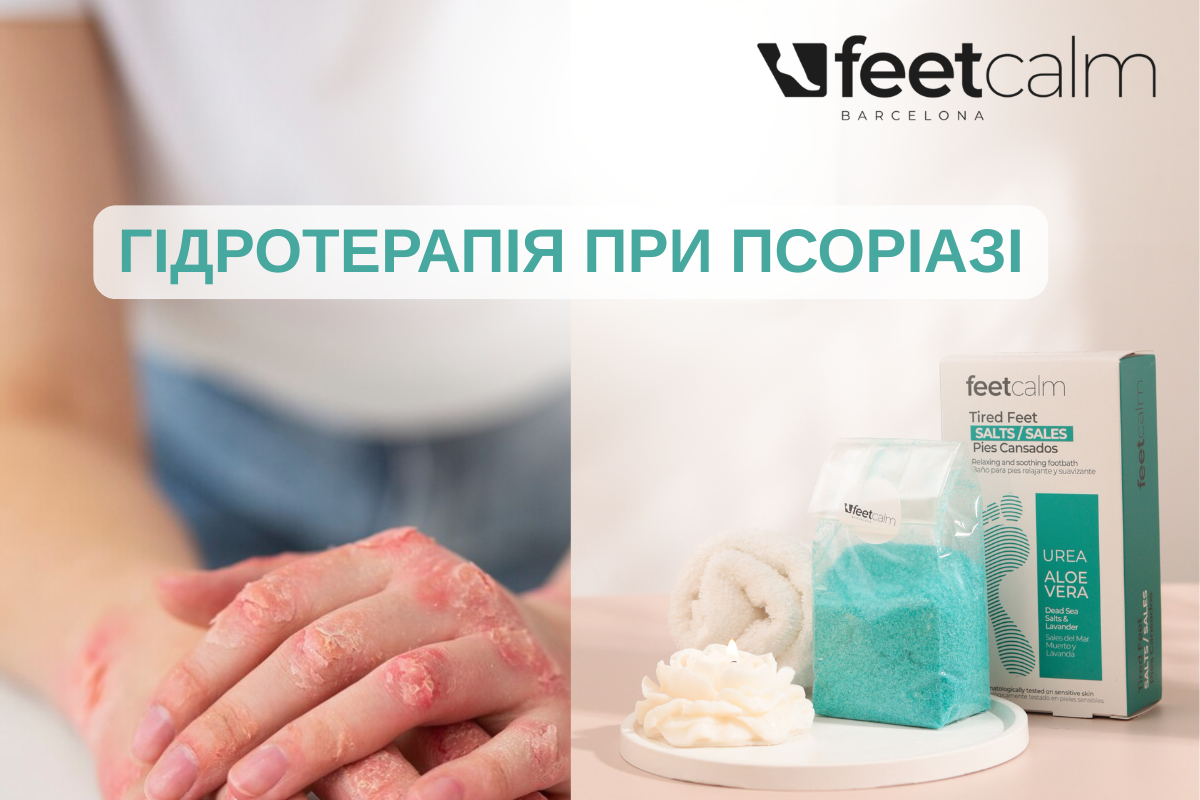
PSORIASIS IS AN IMMUNOLOGICALLY MEDIATED DISEASE THAT MANIFESTS WITH SYMPTOMS ON THE SKIN AND SOMETIMES IN THE JOINTS.
Psoriasis affects 2% to 3% of the population of Ukraine.
Treatment of psoriasis at the modern stage includes a complex of systemic and topical agents, as well as physiotherapy methods, including the use of water procedures (hydrotherapy), which are prescribed to patients individually depending on the stage of the dermatosis, accompanying somatic diseases, etc.
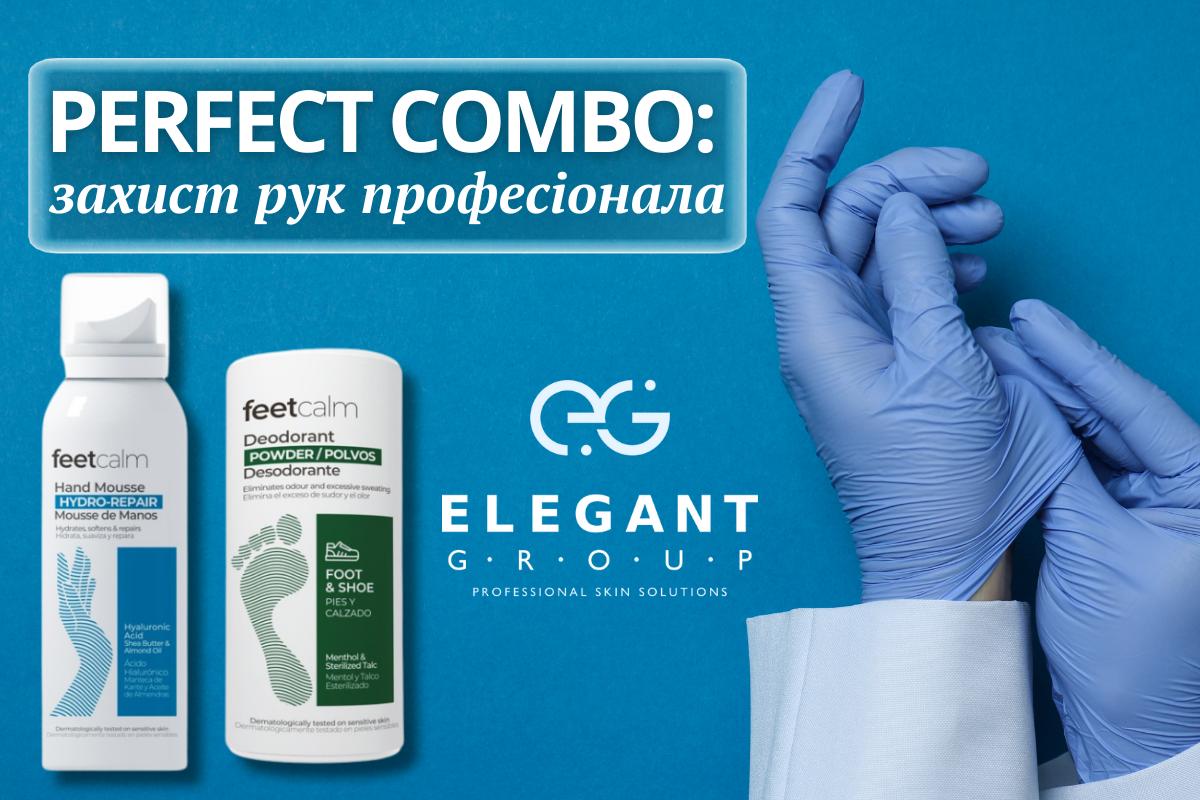
In the field of manicure and pedicure, the hands of the master are their main tool. They constantly come into contact with aggressive chemicals, nail dust, dyes, and other irritants.
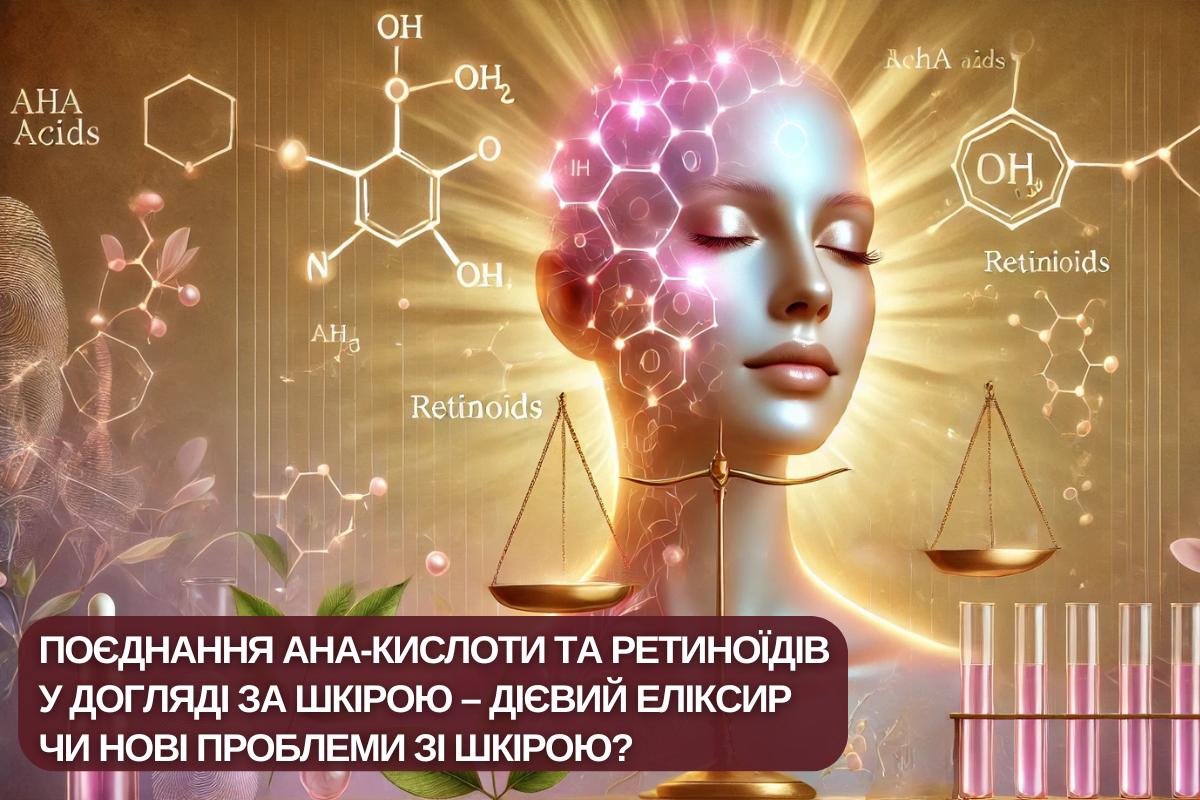
If you have previously used retinoids and AHA acids, you probably know that retinoids work deep within the layers of the skin. In contrast, AHA acids only work on the upper layers of the dermis.
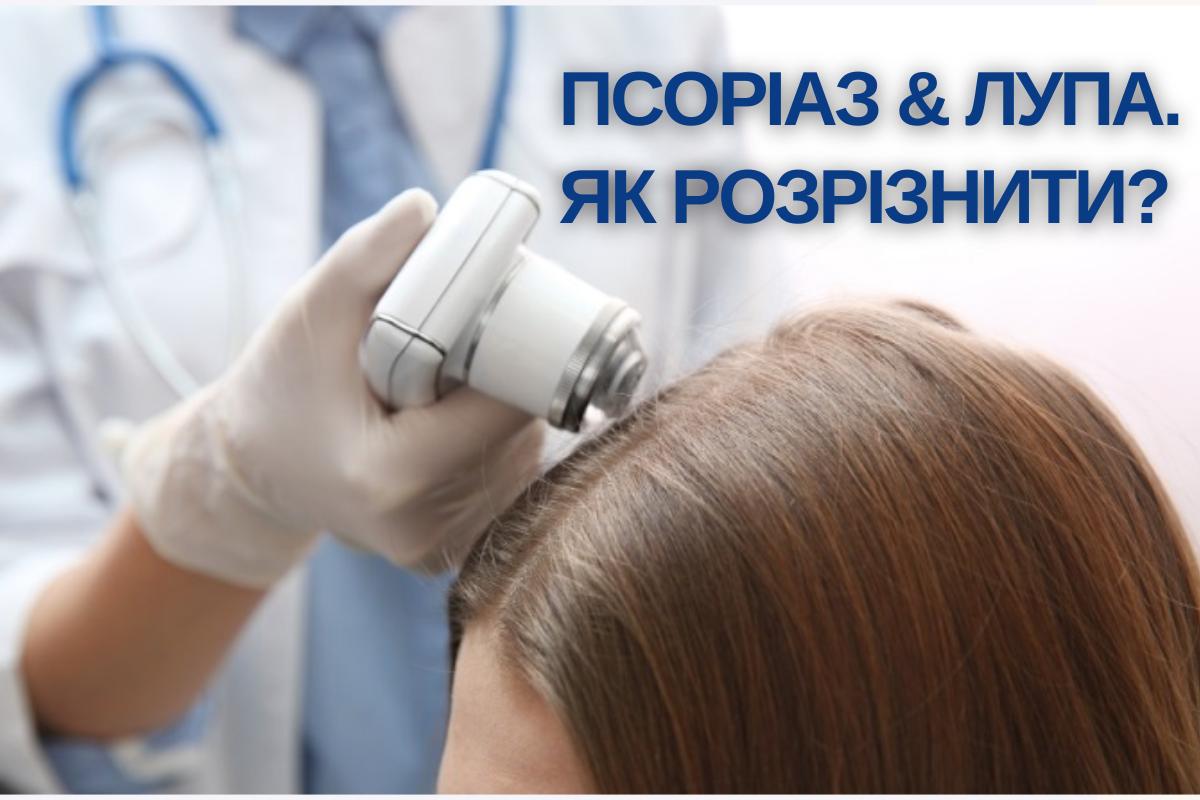
Scalp problems, such as discomfort, itching, and flaking skin, significantly affect a person's emotional state.

pigmentation is a fairly common problem that can appear at any stage of life. It occurs due to uneven distribution of melanin — the pigment responsible for the color of our skin, hair, and eyes.

Historically, it has been the case that a person always strives to maintain youthfulness for longer and to have firm and toned skin, but unfortunately, the loss of skin elasticity is a natural part of the aging process. It affects the condition of the skin, its firmness, and elastin.
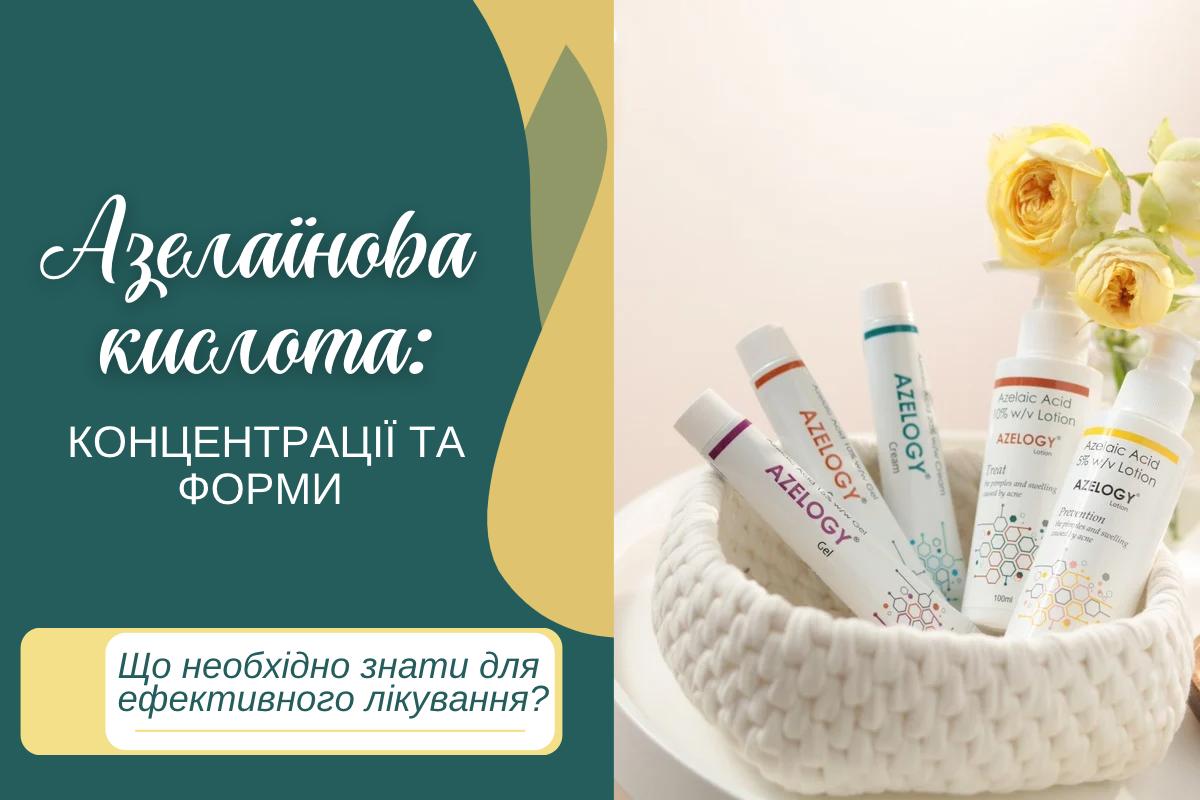
Azelaic acid is a natural component that has anti-inflammatory, antibacterial, and comedolytic properties.


