


Preventive measures for skin prone to hyperpigmentation
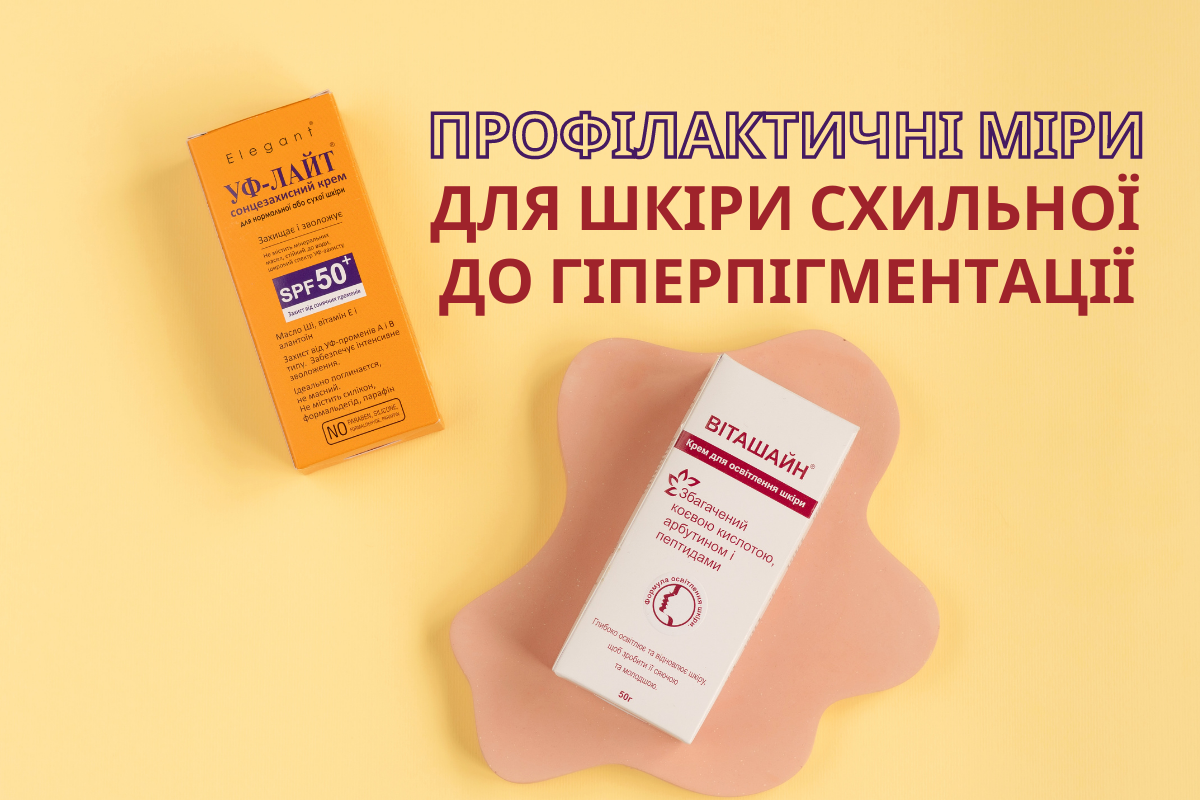
Skin prone to hyperpigmentation requires special care throughout the year. It is quite difficult to completely eliminate the signs of hyperpigmentation, but there are steps you can take to reduce or prevent the appearance of dark spots, helping your skin look younger for longer. What is hyperpigmentation? What causes it and what preventive measures should be taken to prevent its progression? We explain more.
What is hyperpigmentation?
Hyperpigmentation of the skin is when certain areas of the skin are darker than the rest. This is a fairly common skin problem that can affect both small and larger areas of skin or, in rare cases, even the entire body.
Hyperpigmentation occurs when your skin produces more melanin than usual. Melanin is the pigment responsible for the color of the skin. An excess of pigment is deposited deep in the skin, giving it a darker appearance than the surrounding skin.
Causes of hyperpigmentation
Among the main and common causes of hyperpigmentation are the following:
-
Sun damage. It is no secret that UV rays from the sun are harmful to your skin. In fact, they account for up to 80 percent of the signs of premature skin aging. One such sign can be hyperpigmentation in the form of pigment spots due to prolonged sun exposure.
-
Genetic predisposition. Often, pigmentation is traced in hereditary collagen fiber deficiency, which can cause the destruction of the supporting layers of the skin and the penetration of pigment into deeper layers of the skin.
-
Aging skin. After the age of 40, some people develop characteristic age spots. They are usually located on the face, neck, and/or hands. This is the result of active melanin synthesis and the consequence of its uneven distribution in the layers of the skin, as well as changes in hormonal balance and natural aging of the body.
-
Chloasma (melasma). Dark spots on the face can usually indicate hormonal changes. Mostly, but not exclusively, this is related to pregnancy hormones.
-
Post-inflammatory hyperpigmentation. When your skin goes through an inflammatory phase, such as acne or eczema, it can intensify and form dark spots after healing.
How to prevent hyperpigmentation
While not all causes of hyperpigmentation can be prevented, there are some tips you can follow to prevent certain cases of hyperpigmentation:
-
Avoid direct sunlight. Try to stay out of the sun during peak hours from 10:00 AM to 2:00 PM.
-
Wear hats. Shade your face and scalp with a wide-brimmed hat.
-
Incorporate a specialized skincare product for skin prone to hyperpigmentation into your routine. For example, Vitashine cream. The cream contains a balanced complex of components that affect all key stages of melanin formation and distribution in the skin. The combination of lumiskin, arbutin, and kojic acid reduces the production of new melanin by inhibiting the synthesis of tyrosinase. Niacinamide inhibits the transfer of melanosomes. Glycolic acid reduces the dispersion of melanin in the skin by enhancing epidermal renewal. Together, niacinamide and glycolic acid help eliminate existing melanin. The antioxidants included in M-Shuttle-SC contribute to rejuvenation and care for the skin.
A comprehensive approach to preventing hyperpigmentation with Vitashine cream will take care of all levels, stages, and links in the process of melanogenesis and provide the skin with a healthy color.
-
Apply SPF. Choose sunscreen products with the highest level of protection. We recommend using UveeLite 50+ sunscreen. The cream will protect against the harmful effects of UV rays, moisturize, and soothe the skin.
Among the many causes of pigmentation, damage from sunlight is the primary cause of hyperpigmentation spots. By taking care of your skin's protection, you can prevent sun damage. Use the specialized preventive cream Vitashine, which controls melanin transfer and neutralizes the action of free radicals.
News
All news
With the first warm days, you want to spend more time in the sun. The spring sun rays seem soft and safe, but during this period, the skin is particularly vulnerable after winter. A weakened protective barrier and dryness make it more sensitive to ultraviolet light. Therefore, sun protection in spring is just as important as in summer.

Skincare is more than just aesthetics. It's a daily ritual that reminds us of self-love, of taking time for ourselves, of comfort. That's why quality skincare is a universal gift, suitable for any occasion: a birthday, a professional holiday, an anniversary, or simply as a gesture of attention without a reason.
We have gathered beauty ideas that not only bring pleasant emotions but also deliver real results.

Pigment spots are an unpleasant dermatological problem influenced by various factors, such as the sun, hormonal and age-related changes affecting the production of melanin, leading to hyperpigmentation. How does this acid work in skincare dermocosmetics? Read on in the material.

PSORIASIS IS AN IMMUNOLOGICALLY MEDIATED DISEASE THAT MANIFESTS WITH SYMPTOMS ON THE SKIN AND SOMETIMES IN THE JOINTS.
Psoriasis affects 2% to 3% of the population of Ukraine.
Treatment of psoriasis at the modern stage includes a complex of systemic and topical agents, as well as physiotherapy methods, including the use of water procedures (hydrotherapy), which are prescribed to patients individually depending on the stage of the dermatosis, accompanying somatic diseases, etc.

In the field of manicure and pedicure, the hands of the master are their main tool. They constantly come into contact with aggressive chemicals, nail dust, dyes, and other irritants.

If you have previously used retinoids and AHA acids, you probably know that retinoids work deep within the layers of the skin. In contrast, AHA acids only work on the upper layers of the dermis.

Scalp problems, such as discomfort, itching, and flaking skin, significantly affect a person's emotional state.

pigmentation is a fairly common problem that can appear at any stage of life. It occurs due to uneven distribution of melanin — the pigment responsible for the color of our skin, hair, and eyes.

Historically, it has been the case that a person always strives to maintain youthfulness for longer and to have firm and toned skin, but unfortunately, the loss of skin elasticity is a natural part of the aging process. It affects the condition of the skin, its firmness, and elastin.

Azelaic acid is a natural component that has anti-inflammatory, antibacterial, and comedolytic properties.


