


Psoriasis: signs of progression. How to control symptoms?
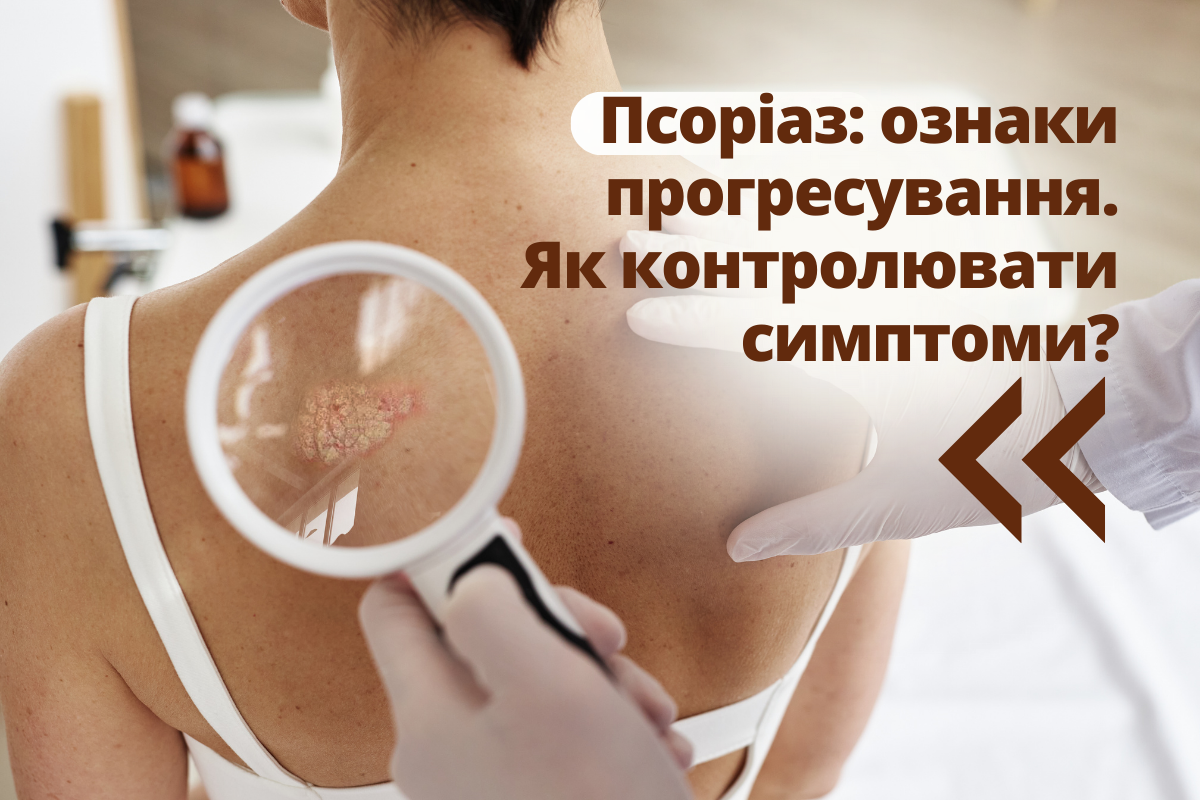
The symptoms of psoriasis manifest differently in each patient. It can be a couple of irritated spots on the skin, or serious, uncomfortable flare-ups all over the body. Sometimes a patient may have a mild form of the disease for their entire life. In other cases, psoriasis progresses over time, complicating the condition and form of this pathology, which significantly worsens the quality of life.
Why does this happen?
How to control the symptoms of psoriasis? We explain further in the article.
Factors Affecting the Form and Course of Psoriasis
What makes the symptoms of psoriasis mild, moderate, or severe? In fact, there are certain factors:
☝️Size of the affected areas. Most people living with psoriasis have a mild form of the disease that covers less than 2% of their skin, which can increase to 3%-10% in moderate psoriasis. The condition is severe when the affected area covers 10% or more of the body. To self-estimate approximately, use your palm as a measuring tool - it is roughly equal to 1%.
☝️Appearance. How do your lesions look? Excessive flaking, thickening, or discoloration indicate that your psoriasis is severe.
☝️Quality of life. If psoriasis affects your daily life, physically, mentally, and socially, any noticeable discomfort indicates a moderate or severe form of the disease.
☝️Location. Psoriasis in certain areas of your body can determine the form of the disease. For example, psoriasis on the scalp, palms, soles, and skin folds (such as the inner elbow) is harder to treat, and this may be a sign that the condition is serious.
Researchers and doctors also use the Psoriasis Area and Severity Index (PASI) to determine the degree and form of the disease. The PASI score can range from 0 to 100 - the higher your score, the clearer your skin.
Why Does Psoriasis Progress?
Certain things in your daily life, such as changes in weather or mood, can lead to a psoriasis flare-up or worsen it. These include:
🔘 Weather. Drops in temperature and humidity are common triggers. Many people find that hot, sunny, and humid weather alleviates skin irritation. However, some forms of psoriasis worsen with exposure to sunlight.
🔘 Stress and strong emotional changes. Your brain and skin are closely linked. Stress can trigger an immune response in your body that manifests on your skin as a psoriasis flare-up. Pay attention to mood and mental health changes. These include anger, depression, and anxiety.
🔘 Skin injuries. Skin trauma - even a small bruise or bump - can later lead to a psoriasis flare-up. This reaction is called the Koebner phenomenon.
🔘 Prescription medications. Talk to your doctor before taking medications for high blood pressure, heart problems, etc.
🔘 Changes in treatment regimens. When you stop taking certain medications, especially steroids, it can exacerbate psoriasis.
Controlling Psoriasis Symptoms
Controlling psoriasis symptoms involves the use of
- keratolytic
-
antiseptic
-
sebostatic
-
anti-itch components.
The necessary composition of substances that can help combat the above symptoms is found in the Tarlic product line:
-
Tarlic Soap: coal tar - 1%, salicylic acid - 3%;
-
Tarlic Shampoo: coal tar - 4.25%, salicylic acid - 2%;
-
Tarlic Max Cream: coal tar - 4.25%, salicylic acid - 2%
The uniqueness of Tarlic products lies in the fact that modern technologies are used in production, which allow for the removal of the specific smell of coal tar while preserving all its healing properties.
Before use, we recommend consulting with your doctor.
News
All news
With the first warm days, you want to spend more time in the sun. The spring sun rays seem soft and safe, but during this period, the skin is particularly vulnerable after winter. A weakened protective barrier and dryness make it more sensitive to ultraviolet light. Therefore, sun protection in spring is just as important as in summer.

Skincare is more than just aesthetics. It's a daily ritual that reminds us of self-love, of taking time for ourselves, of comfort. That's why quality skincare is a universal gift, suitable for any occasion: a birthday, a professional holiday, an anniversary, or simply as a gesture of attention without a reason.
We have gathered beauty ideas that not only bring pleasant emotions but also deliver real results.
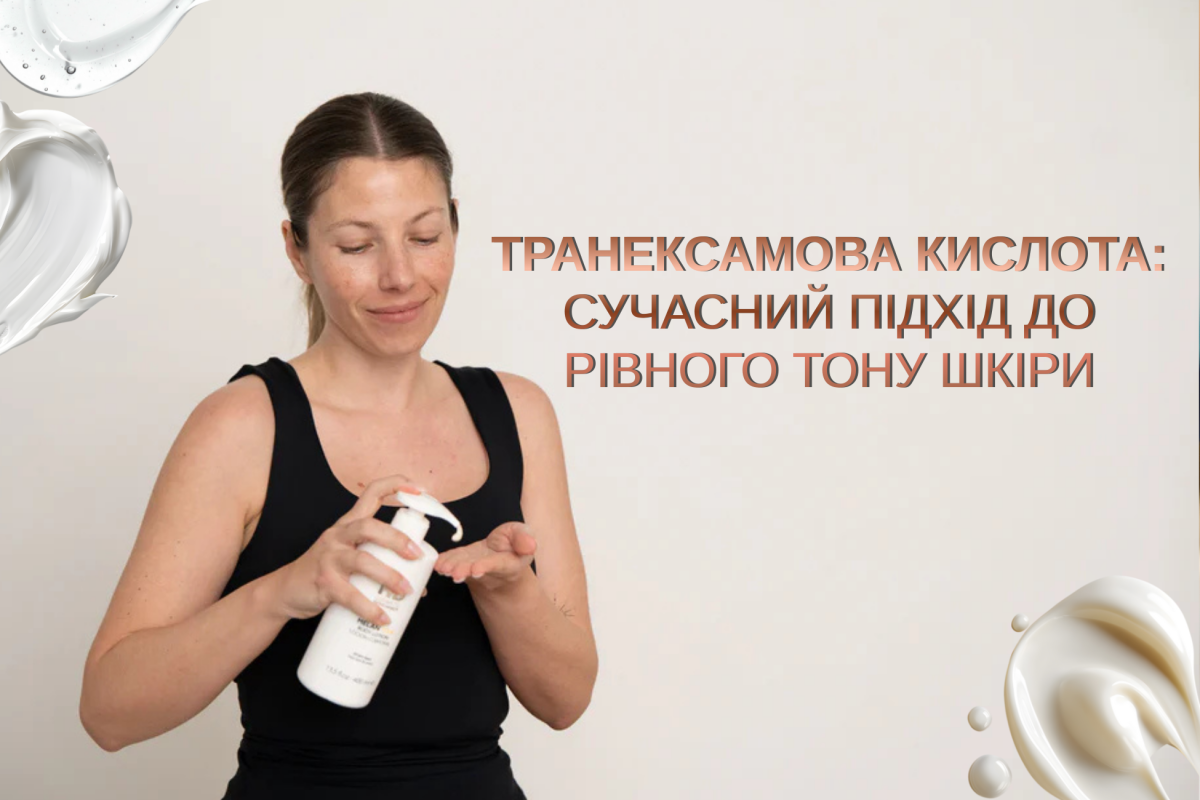
Pigment spots are an unpleasant dermatological problem influenced by various factors, such as the sun, hormonal and age-related changes affecting the production of melanin, leading to hyperpigmentation. How does this acid work in skincare dermocosmetics? Read on in the material.

PSORIASIS IS AN IMMUNOLOGICALLY MEDIATED DISEASE THAT MANIFESTS WITH SYMPTOMS ON THE SKIN AND SOMETIMES IN THE JOINTS.
Psoriasis affects 2% to 3% of the population of Ukraine.
Treatment of psoriasis at the modern stage includes a complex of systemic and topical agents, as well as physiotherapy methods, including the use of water procedures (hydrotherapy), which are prescribed to patients individually depending on the stage of the dermatosis, accompanying somatic diseases, etc.

In the field of manicure and pedicure, the hands of the master are their main tool. They constantly come into contact with aggressive chemicals, nail dust, dyes, and other irritants.

If you have previously used retinoids and AHA acids, you probably know that retinoids work deep within the layers of the skin. In contrast, AHA acids only work on the upper layers of the dermis.
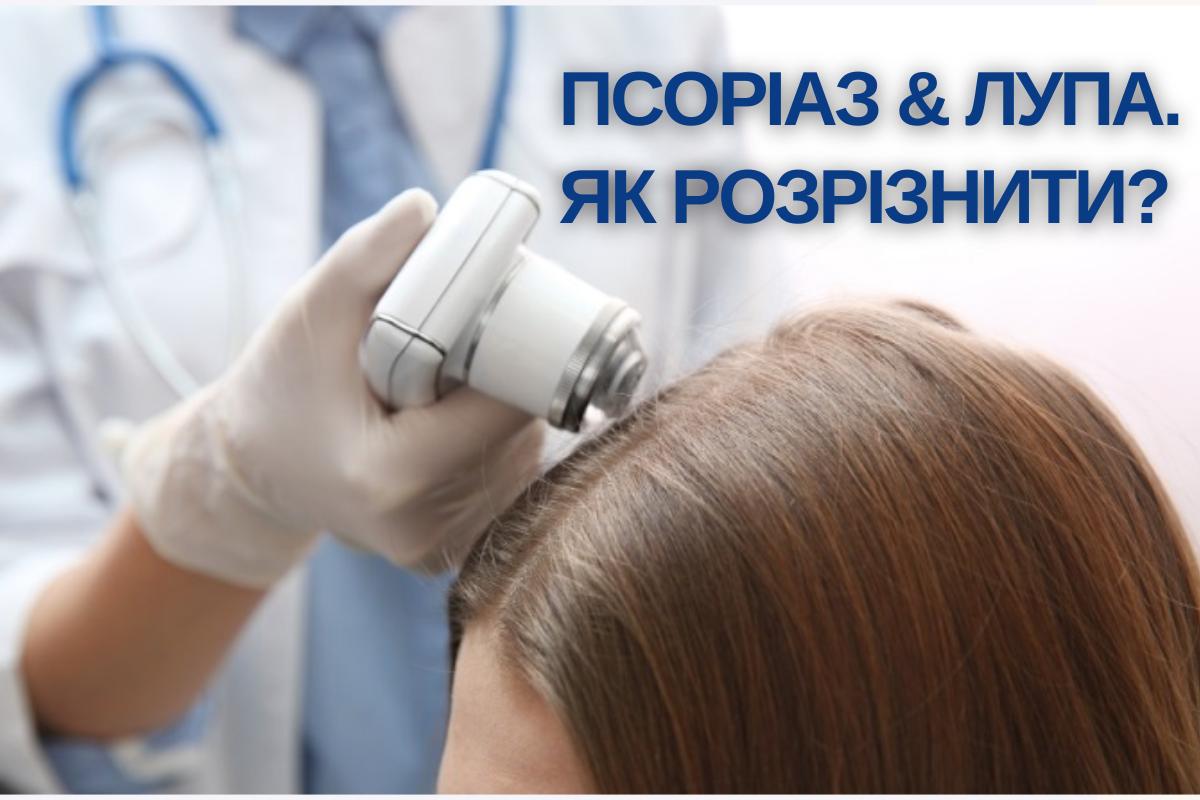
Scalp problems, such as discomfort, itching, and flaking skin, significantly affect a person's emotional state.

pigmentation is a fairly common problem that can appear at any stage of life. It occurs due to uneven distribution of melanin — the pigment responsible for the color of our skin, hair, and eyes.

Historically, it has been the case that a person always strives to maintain youthfulness for longer and to have firm and toned skin, but unfortunately, the loss of skin elasticity is a natural part of the aging process. It affects the condition of the skin, its firmness, and elastin.

Azelaic acid is a natural component that has anti-inflammatory, antibacterial, and comedolytic properties.


