


Psoriasis: Causes and Treatment Features
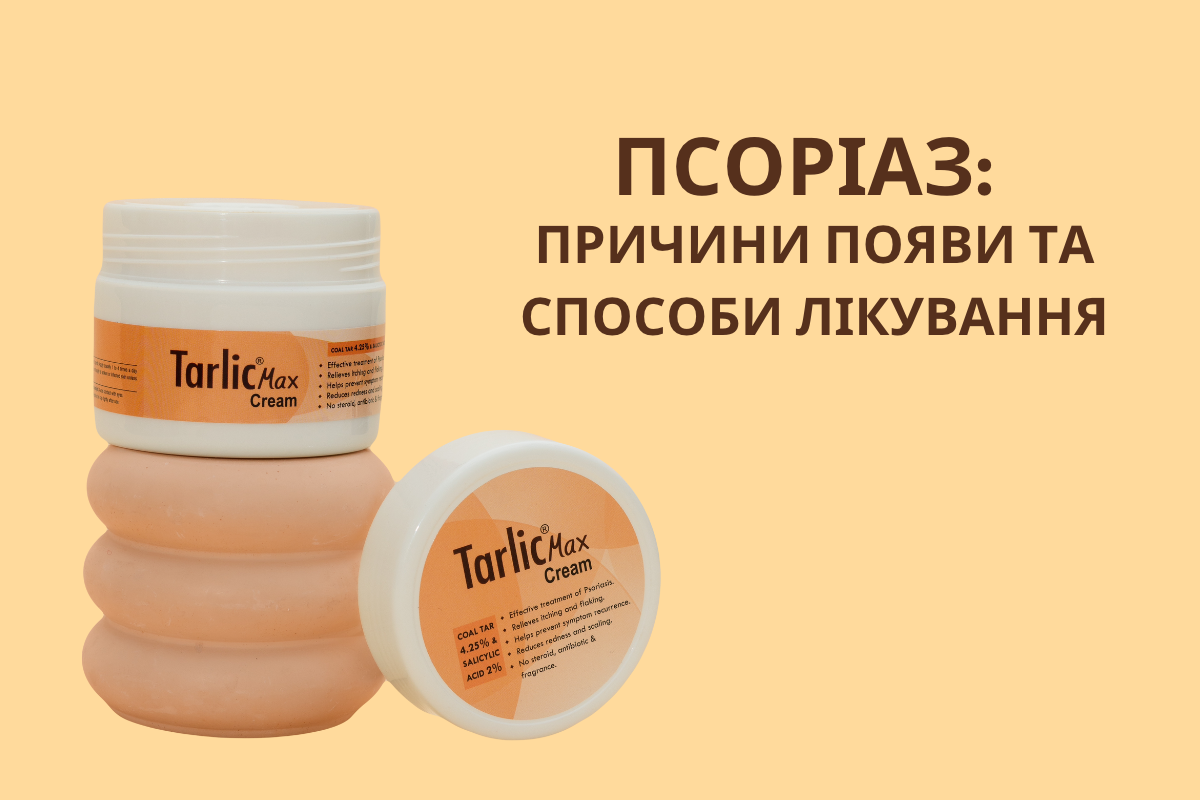
Psoriasis is a common skin disease among people worldwide. Statistics show there are over 1 million patients in Ukraine. This skin condition has pronounced external changes to the dermis and causes significant psychological discomfort. So what is psoriasis? What are its symptoms? Why does it occur and what treatment options are available? We explain further in the article.
What is psoriasis?
If you notice changes in the texture of a certain area of your skin, consult a specialist immediately. One of the types of non-infectious diseases could be psoriasis.
Psoriasis is considered a chronic autoimmune disease that involves inflammatory processes. The disease is the result of an accelerated skin formation process. Among other dermatological diseases, psoriasis is distinguished by the following features: small red spots, but with a thick layer of silvery-white scales on the skin.
Most often, psoriasis affects areas of skin on the bends of the elbows. Therefore, it is not so easy to notice them, and often a patient with psoriasis may not be aware of the onset of the disease for a long time.
The most common type of psoriasis is called plaque psoriasis. It can appear on any part of the body, but it most often manifests on the scalp, elbows, knees, and lower back. Plaque psoriasis is not an infectious disease, so it is not transmitted through contact with the skin of a person with psoriasis.
In most cases, psoriasis is diagnosed in adults, but children can also suffer from psoriasis. The disease can be diagnosed at any age, but it most often manifests in people under 30 years old.
Symptoms of psoriasis
People with fair skin may be the first to diagnose psoriasis in themselves. On lighter skin, red bumps become noticeable immediately. Over time, they can become larger and thicker, and scales may form on top.
If psoriasis is not addressed in time, the spots can merge and cover large areas of the body. The rash may take on a red color, itch, and cause discomfort. It can easily bleed if rubbed or scratched.
On tanned or dark skin, psoriasis takes on a salmon color, dark brown, or reddish-gray spots, and then scales form.
How to diagnose nail psoriasis?
The majority of patients with psoriasis also have nail psoriasis. It is hard to miss, as the nails change color and become yellowish-red. They may also crumble, or noticeable pitting may occur.
Psoriatic arthritis
Some people with psoriasis may develop psoriatic arthritis. This causes swelling and pain in your joints and can complicate their use for everyday tasks. Psoriatic arthritis can occur at any age, but it is most commonly seen in people aged 30 to 50 years.
What causes psoriasis?
Research on the causes of psoriasis is still ongoing. However, it is likely related to a problem with your immune system, which protects your body from microbes.
If you have been diagnosed with psoriasis, your immune system mistakenly attacks healthy skin cells as if it were fighting an infection. Your body responds by creating new skin cells every few days instead of the usual 4 weeks. These new skin cells accumulate on the surface of your body and form a rash.
The most common triggers for psoriasis include:
● Skin injury or infection
● Emotional stress
● Certain medications
● Smoking
● Alcohol consumption
It is completely natural to feel psychological discomfort due to the appearance of psoriasis. It is very important that the condition of your skin does not harm your self-esteem. Therefore, we recommend consulting a dermatologist immediately and starting treatment as soon as possible.
How is psoriasis diagnosed?
To diagnose psoriasis, a doctor only needs a simple examination of the body’s skin, scalp, and nails. It may be necessary to take a sample of skin cells and examine it under a microscope to confirm the diagnosis.
Treatment options for psoriasis
If the doctor finds mild or moderate psoriasis, immediate relief can be obtained using the following treatment options recommended by our dermatologists:
● Tarlic Max - a specialized cream for psoriasis
● Tarlic soap with tar and salicylic acid
● Tarlic shampoo for treating scalp diseases
● For moisturizing rough skin and treating psoriasis, the Dermolite Replenishing and Dermolite Uronic products are also suitable.
The components contained in these products will help reduce inflammation and itching, as well as slow down the growth rate of skin cells.
The treatment regimen for psoriasis and its duration are always determined by the doctor. Be sure to consult a specialist.
The effectiveness of treatment often depends on the psychological state of the patient, so it is important to address the following factors that only exacerbate psoriasis.
● Reduce stress
Stress is a cause of psoriasis and can also worsen the course of the disease. Therefore, it is important to try certain relaxation methods to control flare-ups. Anything that helps you relax, whether it be yoga, deep breathing, or a long walk, can alleviate symptoms.
● Social support
There may be days when you want to hide at home; allow yourself that. Follow your feelings. If you enjoy meeting people, plan them more often. Isolation can lead to stress and depression, which can worsen psoriasis symptoms.
The effectiveness of psoriasis treatment depends on comprehensive care for your psychological health and taking care of the healthy state of your skin.
News
All news
With the first warm days, you want to spend more time in the sun. The spring sun rays seem soft and safe, but during this period, the skin is particularly vulnerable after winter. A weakened protective barrier and dryness make it more sensitive to ultraviolet light. Therefore, sun protection in spring is just as important as in summer.

Skincare is more than just aesthetics. It's a daily ritual that reminds us of self-love, of taking time for ourselves, of comfort. That's why quality skincare is a universal gift, suitable for any occasion: a birthday, a professional holiday, an anniversary, or simply as a gesture of attention without a reason.
We have gathered beauty ideas that not only bring pleasant emotions but also deliver real results.

Pigment spots are an unpleasant dermatological problem influenced by various factors, such as the sun, hormonal and age-related changes affecting the production of melanin, leading to hyperpigmentation. How does this acid work in skincare dermocosmetics? Read on in the material.

PSORIASIS IS AN IMMUNOLOGICALLY MEDIATED DISEASE THAT MANIFESTS WITH SYMPTOMS ON THE SKIN AND SOMETIMES IN THE JOINTS.
Psoriasis affects 2% to 3% of the population of Ukraine.
Treatment of psoriasis at the modern stage includes a complex of systemic and topical agents, as well as physiotherapy methods, including the use of water procedures (hydrotherapy), which are prescribed to patients individually depending on the stage of the dermatosis, accompanying somatic diseases, etc.

In the field of manicure and pedicure, the hands of the master are their main tool. They constantly come into contact with aggressive chemicals, nail dust, dyes, and other irritants.

If you have previously used retinoids and AHA acids, you probably know that retinoids work deep within the layers of the skin. In contrast, AHA acids only work on the upper layers of the dermis.
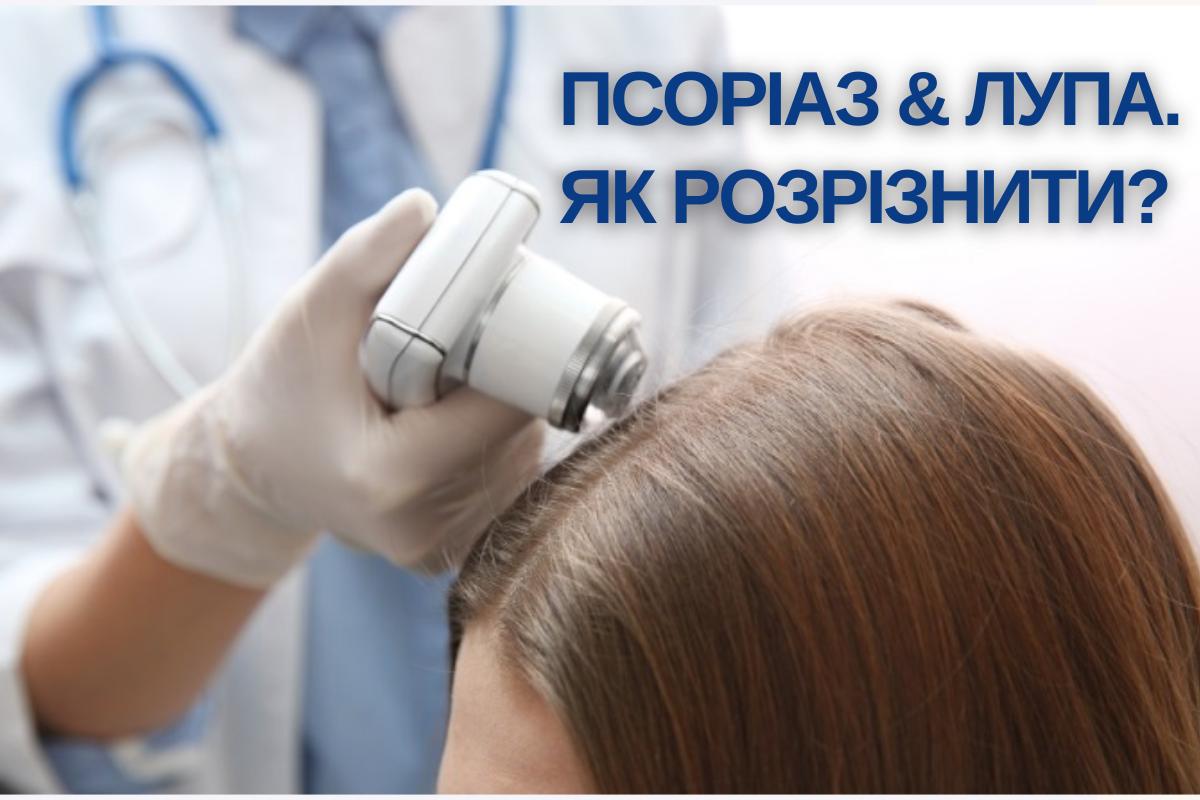
Scalp problems, such as discomfort, itching, and flaking skin, significantly affect a person's emotional state.

pigmentation is a fairly common problem that can appear at any stage of life. It occurs due to uneven distribution of melanin — the pigment responsible for the color of our skin, hair, and eyes.

Historically, it has been the case that a person always strives to maintain youthfulness for longer and to have firm and toned skin, but unfortunately, the loss of skin elasticity is a natural part of the aging process. It affects the condition of the skin, its firmness, and elastin.

Azelaic acid is a natural component that has anti-inflammatory, antibacterial, and comedolytic properties.


