


The role of the bacterium Propionibacterium acnes in the development of acne
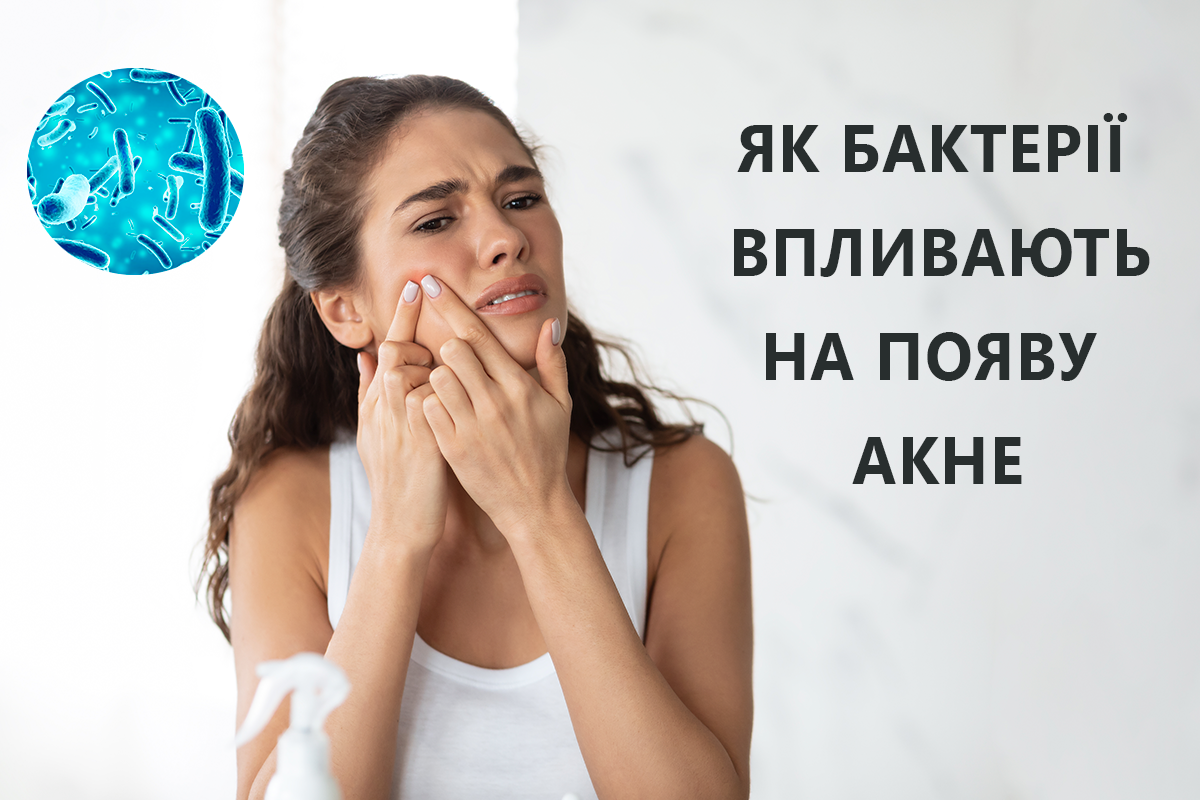
On the surface of the skin, there are many microorganisms that coexist with our skin. They can be beneficial, such as those that help maintain the skin's barrier, or harmful, such as those that can cause infections. The most common bacteria found on the skin are Propionibacterium acnes (P. acnes) - which are not the only ones that can cause problems in certain situations.
P. acnes is a gram-positive, anaerobic bacterium that is part of the normal flora of the skin, and it can be found in sebaceous glands. Its numbers can increase significantly in conditions that promote the development of acne. These bacteria thrive in the oily environment of the skin, where they can produce inflammatory substances that can lead to acne. In some cases, they can also contribute to the development of other skin conditions, such as folliculitis, which can be caused by the overgrowth of these bacteria.
The role of Propionibacterium acnes in acne
While it is present on the skin, P. acnes can trigger a cascade of inflammatory responses that lead to the formation of acne lesions. However, the presence of these bacteria alone is not sufficient to cause acne; other factors, such as hormonal changes, genetics, and environmental influences, also play a significant role. The interaction between P. acnes and the immune system can lead to the development of inflammatory acne, which can manifest as papules, pustules, and cysts.
In addition to acne, P. acnes has been implicated in other skin conditions, such as hidradenitis suppurativa, which is a chronic inflammatory skin disease characterized by painful lumps and abscesses in areas where skin rubs together.
How to manage P. acnes-related skin issues
To effectively manage skin issues related to P. acnes, it is essential to maintain a balanced skin microbiome. This can be achieved through proper skincare routines, including gentle cleansing, exfoliation, and the use of non-comedogenic products. Additionally, topical treatments containing benzoyl peroxide or salicylic acid can help reduce the population of P. acnes on the skin.
Furthermore, lifestyle changes such as a balanced diet, regular exercise, and stress management can also contribute to healthier skin. It is important to consult a dermatologist for personalized treatment options, especially for severe or persistent acne.
In conclusion, while Propionibacterium acnes is a natural part of our skin flora, its overgrowth can lead to various skin issues, particularly acne. Understanding its role and managing its levels through proper skincare can help maintain healthy skin.
News
All news
With the first warm days, you want to spend more time in the sun. The spring sun rays seem soft and safe, but during this period, the skin is particularly vulnerable after winter. A weakened protective barrier and dryness make it more sensitive to ultraviolet light. Therefore, sun protection in spring is just as important as in summer.

Skincare is more than just aesthetics. It's a daily ritual that reminds us of self-love, of taking time for ourselves, of comfort. That's why quality skincare is a universal gift, suitable for any occasion: a birthday, a professional holiday, an anniversary, or simply as a gesture of attention without a reason.
We have gathered beauty ideas that not only bring pleasant emotions but also deliver real results.
Pigment spots are an unpleasant dermatological problem influenced by various factors, such as the sun, hormonal and age-related changes affecting the production of melanin, leading to hyperpigmentation. How does this acid work in skincare dermocosmetics? Read on in the material.
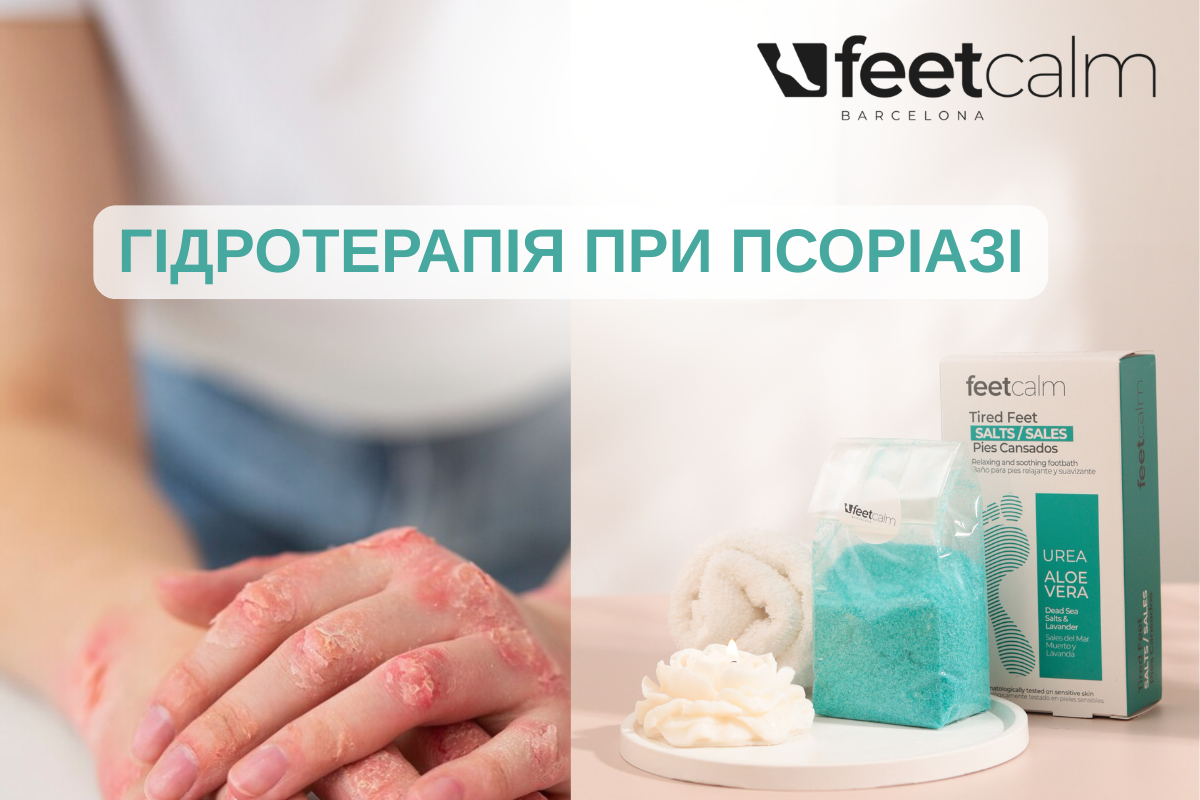
PSORIASIS IS AN IMMUNOLOGICALLY MEDIATED DISEASE THAT MANIFESTS WITH SYMPTOMS ON THE SKIN AND SOMETIMES IN THE JOINTS.
Psoriasis affects 2% to 3% of the population of Ukraine.
Treatment of psoriasis at the modern stage includes a complex of systemic and topical agents, as well as physiotherapy methods, including the use of water procedures (hydrotherapy), which are prescribed to patients individually depending on the stage of the dermatosis, accompanying somatic diseases, etc.
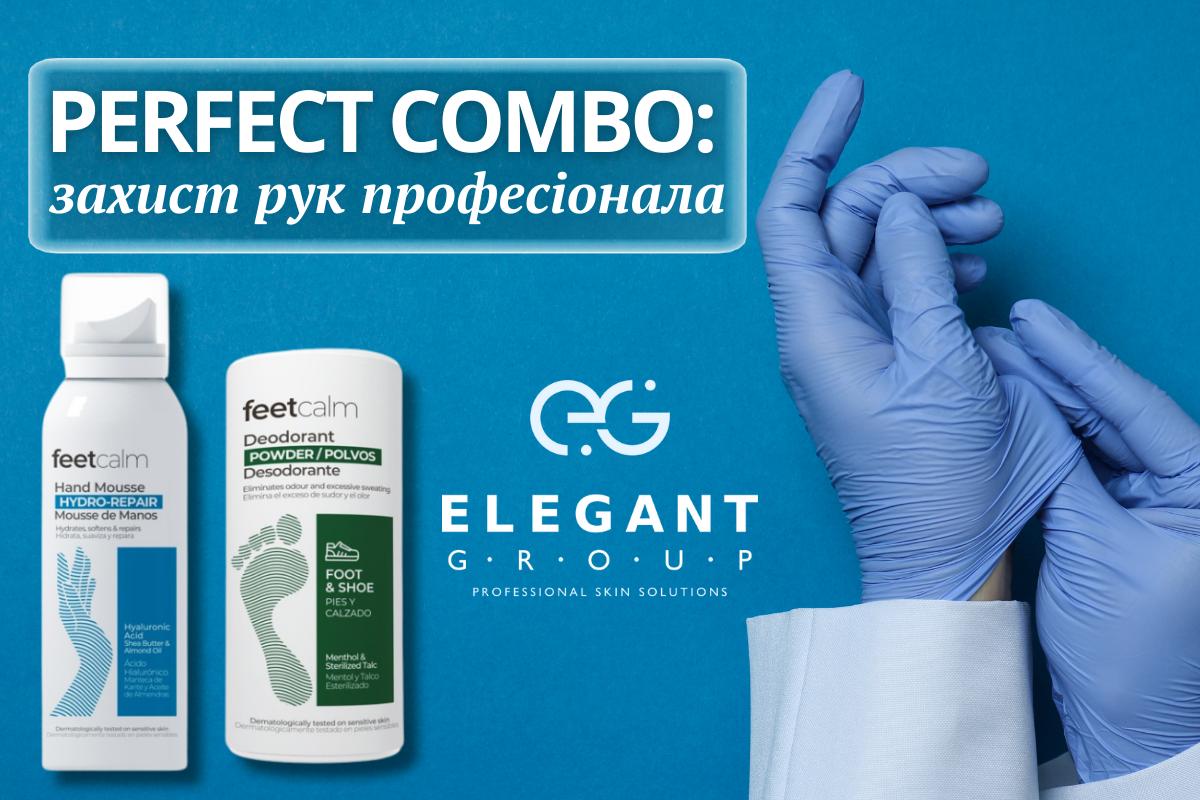
In the field of manicure and pedicure, the hands of the master are their main tool. They constantly come into contact with aggressive chemicals, nail dust, dyes, and other irritants.
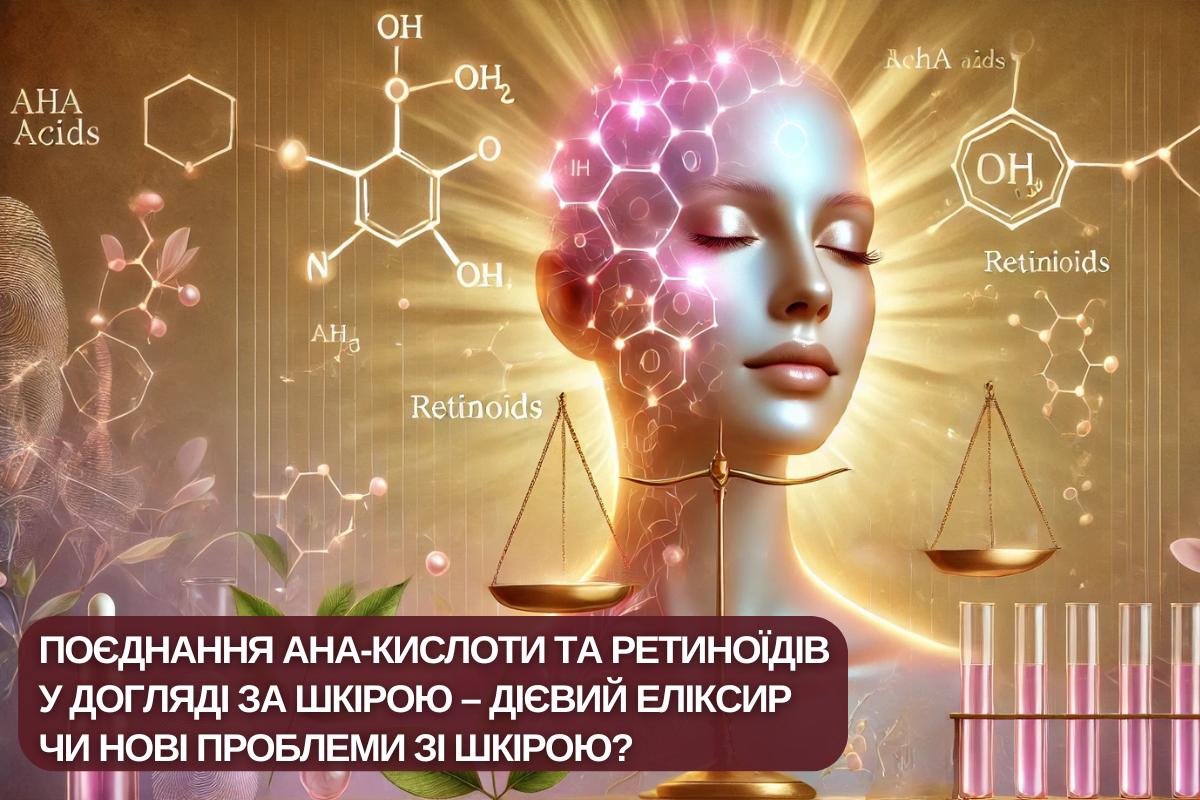
If you have previously used retinoids and AHA acids, you probably know that retinoids work deep within the layers of the skin. In contrast, AHA acids only work on the upper layers of the dermis.
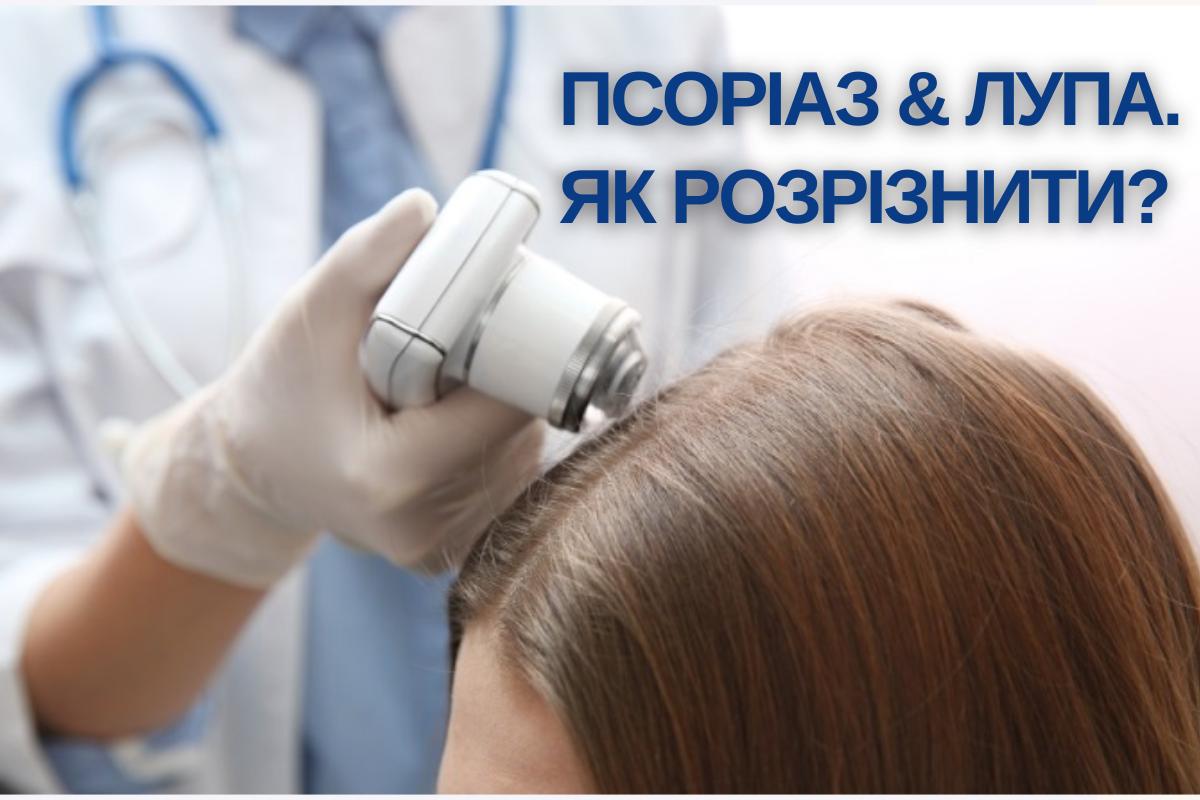
Scalp problems, such as discomfort, itching, and flaking skin, significantly affect a person's emotional state.

pigmentation is a fairly common problem that can appear at any stage of life. It occurs due to uneven distribution of melanin — the pigment responsible for the color of our skin, hair, and eyes.

Historically, it has been the case that a person always strives to maintain youthfulness for longer and to have firm and toned skin, but unfortunately, the loss of skin elasticity is a natural part of the aging process. It affects the condition of the skin, its firmness, and elastin.
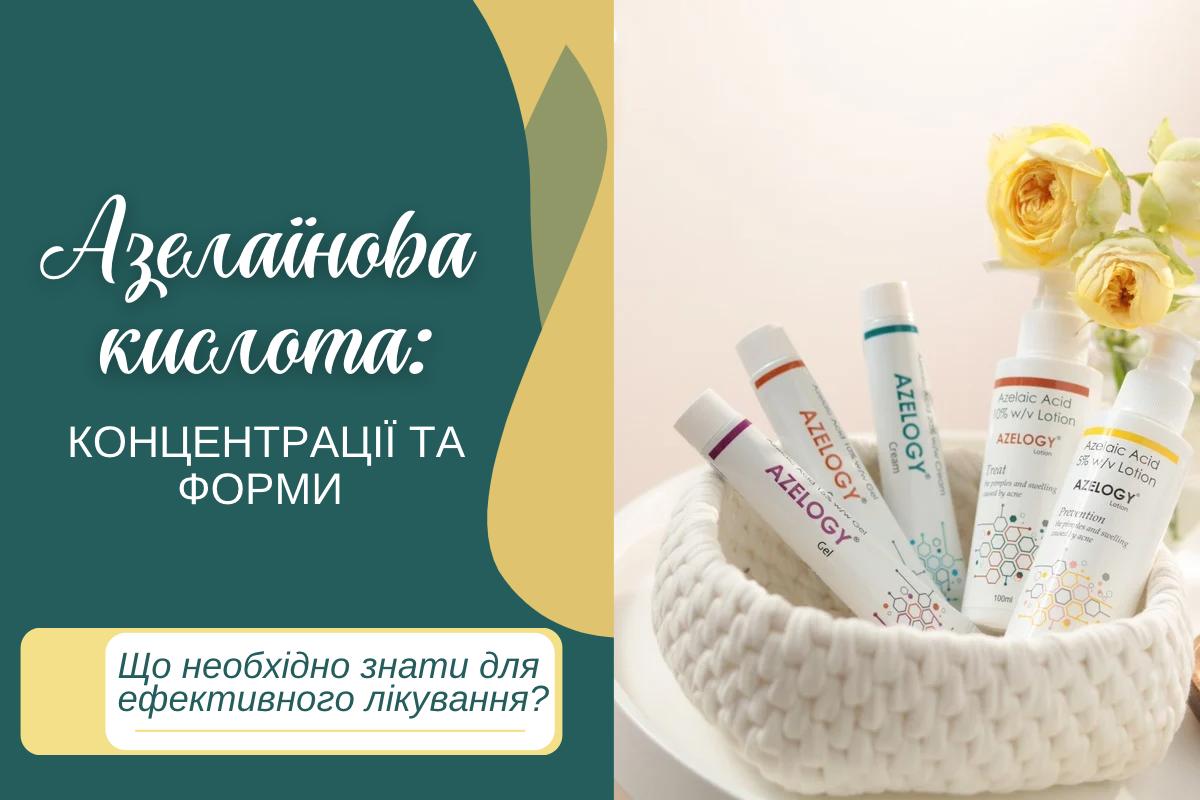
Azelaic acid is a natural component that has anti-inflammatory, antibacterial, and comedolytic properties.


