


Rosacea: symptoms, causes, and modern treatment methods

Among the common skin dermatoses, strong redness, rashes, and small blood vessels often appear on the face, signaling rosacea. Rosacea can appear suddenly and cause significant discomfort. What are the causes of rosacea and how to treat this inflammatory dermatosis is explained further in our material.
What is rosacea?
Rosacea is a common skin disease characterized by redness, inflammation, with dilated and broken blood vessels, and often with spots or bumps resembling acne. This inflammatory dermatosis is not contagious, but there is some evidence that the disease may be hereditary. Rosacea affects people aged 30 to 60, with women suffering from it more often than men.
How to recognize rosacea?
Among the main symptoms that may signal rosacea are the following:
- redness on the cheeks, nose, chin, or forehead that only worsens over time;
-
the affected skin resembles a sunburn that does not go away;
-
small visible blood vessels (capillaries) appear on the face;
-
red spots (papules) or pus-filled bumps (pustules) form, which may cause tingling and burning (most often on the cheeks, chin, and nose);
-
red and irritated eyes or swollen eyelids.
You may also notice that the skin becomes thicker, especially around the nose, and these areas may swell.
In some people, rosacea can affect the eyes. In this case, in addition to redness, pain and "sand" in the corners of the eyes may occur, which can lead to conjunctivitis and eyelid swelling. Consult an ophthalmologist if your eyes are affected so that treatment can be conducted and damage can be prevented.
What can provoke rosacea?
Rosacea is a complex disease, and the exact cause of its appearance is still unknown. Instead, studies show that its appearance is influenced by a combination of many factors, among which the following are highlighted:
-
Heredity and your living environment, as well as factors related to your immune system, skin, and blood vessels;
-
A microscopic mite that usually lives in hair follicles (for example, in eyelashes) may also play a role in causing rosacea spots;
-
Alcohol consumption, which exacerbates rosacea;
-
Spicy food;
-
Hot dishes and drinks;
-
Stress, embarrassment, or anger;
-
Intense sunlight;
-
Extreme temperatures (including hot baths/showers or pools/saunas);
-
Certain medications that cause blood vessel dilation, such as some blood pressure medications;
-
Reaction to certain skin care products;
-
Intense physical exertion;
How is rosacea treated?
Your doctor or dermatologist may recommend a specific treatment method that will help control the symptoms.
Common treatment methods include creams or gels. Among the common and effective components in rosacea treatments is ivermectin.
The most commonly used concentration of ivermectin is 1%. The same concentration is found in the rosacea cream Iverlite.
The rosacea cream Iverlite will quickly relieve discomfort, reduce inflammation, and eliminate redness and itching.
During the treatment period, we recommend:
-
using skin care products that do not cause irritation,
-
gently washing your face with a mild cleanser
-
always applying sunscreen to minimize skin irritation. Also, remember to cover affected areas using wide-brimmed hats.
Apply only oil-free products to your face, never use steroid creams, and try to keep your face cool to reduce redness and burning.
Rosacea can usually be diagnosed without the need for any tests. Your general practitioner or dermatologist can immediately identify this disease by examining the skin on your face. A skin biopsy or blood test may rarely be needed to rule out other causes of facial redness. Therefore, it is important to consult a specialist at the first signs and not let the disease progress.
News
All news
With the first warm days, you want to spend more time in the sun. The spring sun rays seem soft and safe, but during this period, the skin is particularly vulnerable after winter. A weakened protective barrier and dryness make it more sensitive to ultraviolet light. Therefore, sun protection in spring is just as important as in summer.

Skincare is more than just aesthetics. It's a daily ritual that reminds us of self-love, of taking time for ourselves, of comfort. That's why quality skincare is a universal gift, suitable for any occasion: a birthday, a professional holiday, an anniversary, or simply as a gesture of attention without a reason.
We have gathered beauty ideas that not only bring pleasant emotions but also deliver real results.

Pigment spots are an unpleasant dermatological problem influenced by various factors, such as the sun, hormonal and age-related changes affecting the production of melanin, leading to hyperpigmentation. How does this acid work in skincare dermocosmetics? Read on in the material.

PSORIASIS IS AN IMMUNOLOGICALLY MEDIATED DISEASE THAT MANIFESTS WITH SYMPTOMS ON THE SKIN AND SOMETIMES IN THE JOINTS.
Psoriasis affects 2% to 3% of the population of Ukraine.
Treatment of psoriasis at the modern stage includes a complex of systemic and topical agents, as well as physiotherapy methods, including the use of water procedures (hydrotherapy), which are prescribed to patients individually depending on the stage of the dermatosis, accompanying somatic diseases, etc.

In the field of manicure and pedicure, the hands of the master are their main tool. They constantly come into contact with aggressive chemicals, nail dust, dyes, and other irritants.

If you have previously used retinoids and AHA acids, you probably know that retinoids work deep within the layers of the skin. In contrast, AHA acids only work on the upper layers of the dermis.
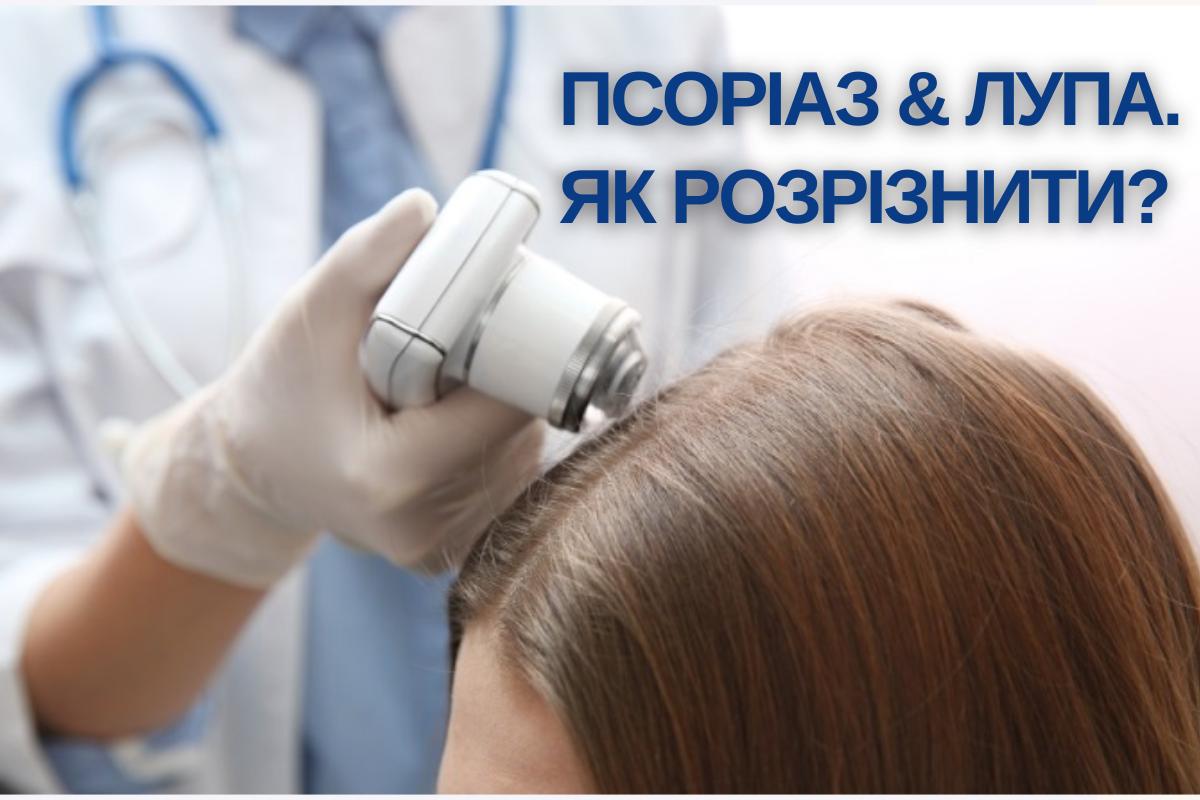
Scalp problems, such as discomfort, itching, and flaking skin, significantly affect a person's emotional state.

pigmentation is a fairly common problem that can appear at any stage of life. It occurs due to uneven distribution of melanin — the pigment responsible for the color of our skin, hair, and eyes.

Historically, it has been the case that a person always strives to maintain youthfulness for longer and to have firm and toned skin, but unfortunately, the loss of skin elasticity is a natural part of the aging process. It affects the condition of the skin, its firmness, and elastin.

Azelaic acid is a natural component that has anti-inflammatory, antibacterial, and comedolytic properties.


