


What is acne?
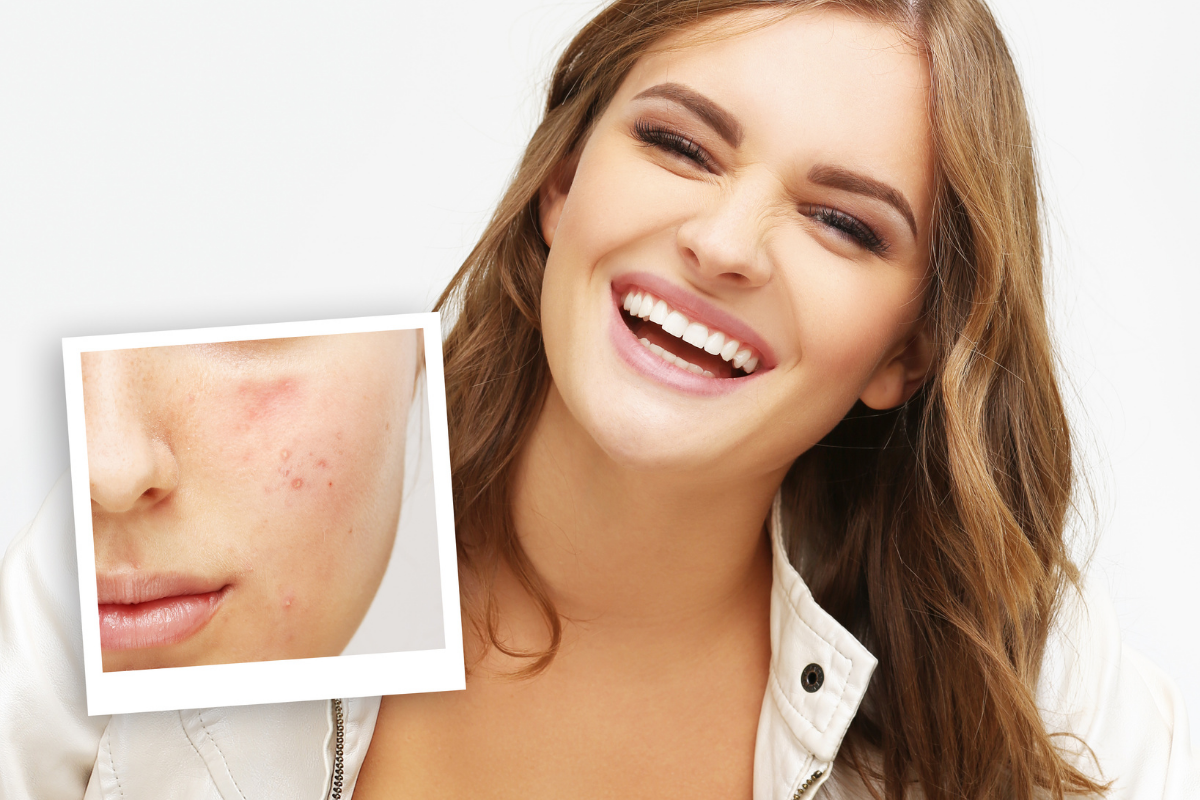
Chronic skin disease occurs due to a disruption in the excretory function of sebaceous glands or hair follicles. A typical sign of exacerbation is the appearance of acne rash, pustules, and comedones on the face and body, accompanied by increased secretion from the sebaceous glands. There are numerous causes for the onset and development of acne, related to hormonal imbalances, infections, and frequent stress.
Acne is the most common reason for visiting a dermatologist. The disease manifests in various stages and degrees in 70-80% of people. The peak of exacerbation occurs between the ages of 13 and 20 and is associated with hormonal imbalances and instability. The problem persists until the age of 30 in 25-45% of individuals, with about 15% of patients experiencing infrequent recurrences after the age of 40.
In most patients, acne lesions are concentrated on the face, upper back, and chest. Without proper diagnosis and timely treatment, it is difficult to avoid scarring of soft tissues: scars and bumpy irregularities can last for a long time and require correction (laser resurfacing, dermabrasion, etc.). Severe acne can lead to nervous disorders and psychological issues. Patients may become withdrawn, irritable, and may fall into depression.
What does acne look like?
In each person, the disease manifests individually. The presentation depends on age, gender, and the presence of chronic pathologies of the endocrine and digestive systems. Characteristic lesions of varying sizes appear on the skin of the face and body. They are accompanied by enlarged pores, comedones, redness, and pustular eruptions.
Acne presents with a variety of manifestations. The main elements of the rash include comedones, nodular pustules, and cystic formations. Depending on severity, they can be solitary or can cover the entire forehead, face, back, or shoulders. They are most often localized in areas with the highest concentration of sebaceous glands.
Types of acne
In cosmetology and dermatology, the general term "acne" is used. It encompasses several types of acne. They differ in shape, appearance, size, and number of lesions, so treatment is tailored according to the characteristics of the rash. Knowledge of detailed classification allows for the correct prescription of medications based on their mechanism of action.
Blackheads (comedones)
In the initial or moderate stage, the pores become clogged with sebaceous secretions. They harden, forming a solid plug that is white or yellow in color. Due to narrow ducts, they take on the shape of an elongated rod. The black cap forms due to the oxidation of cells and fats under the influence of oxygen. They can transform into whiteheads or large subcutaneous lipomas.
Pustular acne
When pathogenic bacteria activate in the hair follicle, inflammation occurs. An accumulation of exudate arises as the immune system attempts to contain the process. The duct retains contents that require appropriate care and removal by a specialist. Attempting to self-extract often leaves rough scars with a diameter of 5 mm or more.
Papules
In cases of acute inflammation of large comedones, a pink or red hardening occurs. It rises above the skin and may cause pain, burning, or itching. When merged, it can reach 1 cm in diameter, provoking swelling and puffiness. It is diagnosed in moderate and severe forms of acne and can appear on the back, chest, and buttocks.
Pustules
One of the subtypes of the inflammatory process of the hair or sebaceous duct. A large amount of pus accumulates deep in the dermis, resulting in a large "bump," swelling, and red hardening. Upon palpation, the patient feels a hard ball covered by a layer of skin. After rupture, dark spots remain due to pigmentation disturbances in melanin production.
Cysts
With total damage to the sebaceous gland and weak immunity, cysts form on the body. They can reach 1 cm in size and feel firm to the touch. They contain a large amount of pus and can cause unpleasant pulsation, discomfort, and even lymph node enlargement. They are considered the most problematic and severe form of acne.
Nodules
Nodules lie deep in the dermis, affecting the duct's orifice from the inside. The accumulation of inflammatory exudate has no outlet due to a dense plug, thus affecting the surrounding skin areas. It is characterized by severe pain, measuring 1-2 cm in diameter, and the appearance of swelling. It can cause increased temperature, weakness, and a general decline in well-being.
Signs and symptoms
In most patients, dermatologists diagnose localized manifestations of acne in the form of similar polymorphic elements. In the initial stage, black comedones are more common, and the appearance of the skin in the affected area deteriorates. After an exacerbation, pustular and cystic formations emerge. They increase in diameter and rise above the skin surface.
The main symptoms indicating the development of acne include:
• pores enlarging in the forehead, nose, and chin areas;
• red lesions that itch and may cause pain;
• a feeling of tightness;
• noticeable shine appearing 1-2 hours after washing;
• skin taking on a dull hue, becoming uneven.
In cases of secondary infection, an inflammatory process occurs, increasing suppuration and forming firm cysts. In severe forms, scarring changes in the dermis begin. Rough scars made of connective tissue remain at the site of lesions.
Unlike furunculosis and other skin inflammations, acne is usually not accompanied by a fever. Patients typically do not experience lymph node enlargement. The process of new lesions can occur continuously over several months or even years. During this time, productivity is maintained unless physical exertion is prohibited.
Scars
After a prolonged inflammatory process, unsightly scars may remain on the skin. They form when the integrity of the skin is disrupted and the cells of the skin do not function properly. Such complications are observed in 90% of patients with severe forms of acne.
The primary cause of scar formation after acne is an excess of collagen fiber deposits at the site of skin integrity disruption after the healing of a cyst or deep pustule. The structure of the duct changes, becoming compacted along its entire length down to the deep layer of the dermis. On the surface, round or oval scars appear, reaching a diameter of 0.5 cm, creating uneven bumps.
After acne, three types of scars can form. In men and patients with coarse skin of mixed or oily type, keloid scars are more common. They appear at the site of former lesions, are round in shape, and extend beyond the edges of healing lesions. Hypertrophic scars do not extend beyond the former lesions. Atrophic scars are areas of skin indentation at the sites of former lesions.
pigmentation
With a prolonged course of acne, the amount of melanin in the upper layer of the epidermis may change. This pigment is responsible for the natural shade of the skin. Its level increases at the site of inflammation after healing, leaving dark spots (hyperpigmentation) that sometimes resemble freckles.
Hyperpigmentation is a complication that arises from disturbances in melanin production in damaged cells. The problem is more frequently diagnosed in people with darker skin types and is exacerbated by frequent exposure to direct sunlight. It gradually disappears after the use of special cosmetics or procedures. Therefore, during exacerbation, dermatologists recommend additionally using creams with sun protection filters of at least SPF 15.
Stages of acne development
Unsightly rashes appear when several provoking factors combine. In dermatology, depending on the symptoms, several stages are distinguished. They differ in the nature of the course, the number of lesions, the presence of complications, and the area of skin affected.
The following stages of acne exist:
• Light or initial. A few small lesions appear on the face, with redness of small diameter. Their number does not exceed 10, and papules are localized in areas of increased secretion. There is no discomfort, pain, or abscesses. Comedones are practically invisible and can easily be concealed under a layer of decorative cosmetics.
• Moderate. The number of lesions increases to 20, inflammation becomes pronounced, accompanied by skin hyperthermia and the formation of pustules. Blackheads cover the wings of the nose, chin, and cheeks. Oily shine quickly appears after washing or applying makeup. In the acute stage, bluish spots often remain after the removal of pimples due to microcirculation disturbances.
• Severe. There are at least 40 formations of various sizes and diameters with purulent discharge on the face and various parts of the body. Large papules and nodules with exudate form, and the first scars (scars) are observed.
Some international classifications provide for an extremely severe stage of acne with a neglected state of the skin. Acne is in a state of suppuration, leaving open wounds after rupture. This creates conditions for secondary infection by bacterial or fungal infections, complicating the course of acne. The affected period is characterized by a depressed state, the development of psychological discomfort, and withdrawal.
Etiology and pathogenesis
In dermatology, acne is classified as a polyetiological disease. This means that its formation is influenced to varying degrees by several external and internal factors. In 75-80% of studied cases, the problem is present in the medical history of one of the parents, is hereditary, and the predisposition is passed on at the genetic level, as with many skin pathologies.
When inherited, the body receives information from several generations of distant relatives. This explains the differences in symptoms among children in the same family and the peculiarities of the course. The psychological environment, chronic pathologies of the digestive, endocrine, and vascular systems are also significant.
Classification of acne
In domestic dermatology, a classification system is used that provides a simplified version of describing the stages and degree of acne development. It serves to select the optimal and most effective therapy scheme.
The classification includes the following forms:
• Common or mild, with single lesions, minimal manifestations of acne, discomfort, and absence of irritation.
• Comedonal, or relatively mild form of acne, with an increased number of black comedones that create the effect of dirty skin.
• Papulopustular, or moderate, with acne without suppuration. Redness and other signs of the inflammatory process are present.
• Nodular-cystic, or severe, with a large area of damage. The rash is characterized by a large number of pustules and papules, with large comedones raised above the surface.
There is no strict acne scale that allows a doctor to accurately describe the problem. The average degree of damage is considered when comedones are found on the face and body. Severe is the process with the formation of large nodular formations containing inflammatory exudate.
Neonatal acne
Occurs in 25% of children under one year old, forming in the first weeks after birth. The lesions are represented by small white dots covering the nose, cheeks under the lower eyelid, and nasolabial folds. The problem is directly related to the level of sex hormones in the newborn's blood. They are transmitted during intrauterine development from the mother and increase with the functioning of the baby's adrenal glands.
In the absence of other risk factors, this type of acne does not require treatment. During breastfeeding, the hormonal background gradually normalizes, and the blood composition changes. Skin cleansing occurs over several weeks. A possible complication is the addition of a secondary bacterial infection, which can lead to severe suppuration and tissue scarring.
Adolescent acne
Occurs in 80-90% of children aged 12 and later manifests in boys. When a severe clinical form of acne appears, mandatory treatment under the supervision of a dermatologist is required, along with dietary correction and hygiene. Acne is characterized by frequent recurrences with increased levels of propionibacteria in the sebaceous gland.
Characteristic signs of adolescent acne include:
- open blackheads up to 1 mm in diameter;
- coverage in the T-zone;
- presence of white nodules;
- redness of the epidermis.
Exacerbations are often accompanied by the formation of large nodules that cause severe pain. The cavities are filled with purulent contents, the skin around becomes red, swollen, itchy, and feels hot to the touch. They can leave deep wounds that turn into large rough scars after healing. In complicated situations, damage to the sweat glands occurs, and furunculosis may develop.
Adult acne
The causes of the disease in patients over 30 years old are more diverse, often related to hidden processes in internal organs and systems. Acne has a chronic form. Recurrences are provoked by hypothermia, stressful situations, lack of sleep, and dehydration.
Among the common forms of acne in adults are:
• Late acne in women against the backdrop of menstrual cycle instability, menopause, and gynecological problems.
• Inverse acne localized in the groin and axillary areas with damage to the sweat glands.
• Bodybuilding acne, due to the abuse of synthetic hormones based on steroids and androgens during muscle mass gain.
• Nodular acne, indicating the development of polycystic ovary syndrome in girls. It is often accompanied by and complicated by seborrhea.
In adults, closed-type rashes with skin bumpiness prevail. Unlike adolescent acne, nodules form in the deep layer, covering the chin, provoking dryness and flaking. Regeneration slows down, the color becomes duller, and fine wrinkles appear.
Often, adult acne manifests against the backdrop of professional activities. Workers in the chemical industry, agriculture, and those who constantly use chemicals, harmful pesticides, petroleum products, bromine, and tar are prone to this problem.
Classification by age
When diagnosing acne, the patient's age is of great importance. In youth, in 90% of cases, the cause is hormonal changes and sharp fluctuations in hormone levels. The main risk factor is spikes in the production of androgens and testosterone, which can significantly exceed the norm, provoking complications. A distinctive feature of adolescent rashes is localization on the face, wings of the nose, forehead, a large number of comedones, and enlarged pores.
In adult-type acne, the hormonal factor is exacerbated by the presence of adrenal gland damage, thyroid gland issues, and severe reproductive system pathologies. Exacerbations occur more frequently during premenstrual syndrome and decrease after menstruation. The rash covers the lower part of the face, with a large number of inflammatory papules, and purulent cysts are less common.
Causes of acne
The basis of the inflammatory process is a genetically determined increased function of the sebaceous glands with a disruption of the natural exit of their secretions to the skin surface. This clogs the follicles, remains inside the orifice, and provokes a sharp increase in bacteria. Long-term clinical studies have proven that acne can be associated with both exogenous and endogenous factors.
In some situations, patients exhibit a combination of several factors of different types. Their manifestation is influenced by age, a decline in immune defense, and decreased intestinal performance. In each case, comprehensive diagnostics are conducted. This is aimed at identifying key factors that require correction and treatment.
Exogenous causes
Several external factors influence the health and condition of the skin. They lead to disruptions in microcirculation processes, activate glands, and reduce the protective barrier. They increase the duration of acne, the severity of the course, and the number of complications.
Many exogenous causes lead to rapid growth of propionibacteria, altering the skin's external microflora, making it more susceptible to irritants. A large group of risk factors is actively studied during diagnostics. The key to effective treatment is their complete elimination.
Cosmetics
Some skin care products and decorative makeup lines contain components that can enhance pore clogging with sebaceous plugs. Specialists categorize them as "comedogenic products." Active substances cover the skin with an invisible film, creating a greenhouse effect. These include soybean, coconut, almond oils, petroleum jelly and its derivatives, lanolin.
Clinical studies conducted in recent years do not recommend using cosmetic products containing sodium lauryl sulfate, squalene, and oleic acid. When facing this problem, it is advisable to prefer lines marked as "non-comedogenic" and to carefully study the composition. When pimples appear, makeup can worsen the situation: special cosmetic products with therapeutic effects are allowed.
Hot and humid climate
People traveling to tropical climates often experience exacerbation of acne. High temperatures, increased humidity, and a large amount of sunlight stimulate the activity of sebaceous glands. In an attempt to restore the epidermis's balance, more moisture is released to the surface, leading to drying out and creating a foundation for the proliferation of bacteria and microorganisms.
Working with toxins and chemicals
With constant contact with household and professional chemicals, particles settle on the skin and penetrate into the digestive tract. Intoxication develops, immunity decreases, and some toxic compounds accumulate in the subcutaneous layer. Toxins from within worsen the skin's condition, triggering a recurrence of the inflammatory process.
When working with chemicals, acne manifestations are often complicated by allergic reactions and gastrointestinal inflammation. Large and rough nodules appear on the face, altering the relief, and general well-being may deteriorate. The rash covers the back, abdomen, and groin area. Treatment should begin with detoxification and elimination of the source of poisoning.
Constant mechanical impact on the skin, friction, microtraumas
When unsightly pimples appear on the face, most patients engage in self-treatment. Frequent and improper squeezing of comedones allows bacteria to penetrate the pores, leading to secondary infection. This alters the turgor and external relief of the skin, resulting in scarring. Clogged follicles produce secretions more intensely, and the problem progresses to a more complicated stage.
Such complications can be provoked by wearing protective and medical masks that are not changed daily. It occurs with friction from scarves, using clothing made from synthetic fabrics, and improper shaving. Microtraumas are open gateways for infection and the appearance of pustules.
Improper skin care
A common external factor is a person's inability to properly cleanse their skin. Excessive cleanliness and frequent use of soap and shower gels wash away the natural protective layer from the epidermis. In an attempt to restore it, the glands increase secretion production, trying to return the pH after bathing.
Another relevant issue is the unnecessary use of antibacterial lotions and soapy compositions. They gradually cause habituation, reduce effectiveness, and destroy beneficial microflora. In a normal state, bacteria that control gland function and moisture, suppressing inflammation, are always present on the upper layer of the skin.
Demodicosis
The problem is associated with the activity of the skin mite of the genus Demodex. Penetrating into the dermis, it affects the upper layer, constantly moving, provoking burning, irritation, and unbearable itching. Small localized areas with red nodular rashes appear on the body, and redness and flaking may be observed. Pathogenic bacteria enter the open channels, leading to inflammation.
Demodicosis is not directly a cause of acne but lowers local immunity, increasing the risk of infection in the upper layer of the dermis. In combination with other factors, it triggers a recurrence and promotes the spread of the process. Externally, the lesions after the mite are identical to acne, so comprehensive diagnostics using several methods are necessary.
Zinc deficiency
One of the causes of acne is the lack of zinc in the body. This trace element supports the immune system's function, suppresses the growth of bacterial microflora. It controls the level of secretions from the ducts, helps eliminate shine, and improves the quality of the skin.
According to dermatologists' observations, exacerbations often occur against the backdrop of zinc deficiency. Including it in the diet through supplements can accelerate the healing of wounds after the removal of cysts and papules by 65%. The intensity of rashes and redness decreases by 45%, and localization is reduced. This trace element is often used in specialized cosmetic products for external application.
Endogenous (internal) causes of acne
The condition of the skin depends on the coordinated work of a person's internal organs. Disruptions and disorders lower immunity and hinder the absorption of zinc and other trace elements. Therefore, when diagnosing and identifying the causes of acne, the medical history is carefully studied, considering chronic and congenital pathologies of the digestive system, reproductive organs, and tumor processes in the thyroid and adrenal glands.
Testosterone and acne
Androgen hormones are present in the body of every person and influence the function of sebaceous glands. When their levels rise above normal, increased productivity of the sebaceous gland is observed. The problem is encountered in 80% of adolescents during puberty. It can be exacerbated by steroids present in medications, contraceptives, and dietary supplements used during sports training.
Premenstrual acne
In women, the main cause of inflammation is the activity of the sex hormones progesterone and estrogen, which are necessary for ovulation and conception. They sharply increase in the second phase of the menstrual cycle. Acne appears in the area of the lower jaw and cheeks and may localize on the upper part of the chest. The problem can sharply exacerbate in the first trimester of pregnancy and completely disappear after menopause.
"Hormonal" inflammation
In many endocrine system diseases, the balance of hormones in the blood is disrupted. Pathological changes in the structure of the pituitary gland or adrenal glands lead to sharp fluctuations in indicators, exacerbating chronic problems. In diffuse or thyroid goiter, rashes indicate the need to consult an endocrinologist.
Hyperkeratosis
With the thickening of the horny layer of the dermis, hyperkeratosis may develop. It progresses under the influence of several factors: hormonal changes, vitamin A deficiency, application of dangerous chemical compounds on the skin, or mechanical factors (friction from glasses, scarves, pressure from helmets). The thickened horny layer, along with altered skin secretions, clogs the pores, creating a favorable environment for the development of the pathological process.
Gastrointestinal diseases
The characteristics of the daily diet directly affect the condition of the skin. In digestive system pathologies, many nutrients and vitamins are not properly absorbed. Toxins and fats can disrupt the function of sebaceous glands, increasing their activity.
The main risk factors include any form of gastritis, colitis, and dysbiosis. In these pathologies, acne is observed in every second patient, regardless of age and gender. The localization sites are the forehead, bridge of the nose, cheeks, and corners of the lips. With improved digestion, 70% of patients manage to reduce the intensity of acne rashes and achieve a positive effect.
Individual microflora
The skin of each person has its own microflora, primarily composed of Propionibacterium bacteria. With a healthy immune system, the body controls their growth and suppresses outbreaks independently. If the balance is disrupted, an exacerbation of acne occurs. Possible factors include improper care, antibiotic use, colds, hypothermia, or vitamin deficiency.
Stressful situations
In a constant state of insomnia and anxiety, the levels of stress hormones, androgens, and testosterone increase in the body. This provokes changes in the background, basic processes, and metabolism. The acceleration of metabolic processes during stress triggers gland activity, provoking negative changes that reflect on the skin's condition. Seborrhea, dermatitis, and psoriasis worsen, and the growth of pathogenic microflora intensifies.
Genetic cause
An important risk factor is hereditary predisposition to acne. In 80% of patients, when collecting medical history, it is found that the pathology was present in parents or close relatives. Doctors associate it with defects in several genes that are inherited within families. However, the course of the disease depends on the environment, stress levels, gender, and age of the person.
Diet
An internal factor is the consumption of foods with a high glycemic index. Some adult patients are diagnosed with lactose intolerance or other components, so acne occurs after consuming milk, yeast bread, or sweets. In any case, keeping a food diary is necessary to help identify triggers.
Infections
Among the pathogenic microorganisms capable of provoking the development of acne are anaerobic bacteria Propionibacterium acnes, which normally reside deep within sebaceous glands and the sebaceous-hair follicle. Some strains enter the skin from contaminated hands, adapt, and penetrate into microcracks or cuts after shaving. They feed on sebaceous secretions, lower immunity, and stimulate the formation of pustules.
Disruption of the immune system
In each case, the symptoms of acne are individual. With strong immunity, the body manages to suppress the growth of microflora, so the disease proceeds in a mild stage. Only blackheads appear on the skin, which can be easily removed without consequences. With weak protection, mild inflammation quickly progresses to a severe stage, requiring medication.
Pathophysiology
When studying the mechanism of acne formation, it was found that the primary cause is the blockage of the exit of sebaceous secretions from the follicle orifice. The body begins to produce it in large quantities when hormonal background is disrupted, and hyperkeratosis prevents the sebaceous secretion from leaving the sebaceous gland, creating conditions for infection. The functioning of the sebaceous-hair apparatus changes, unable to cope with the volume of skin fat.
After blockage of the orifice, a dense plug forms from fat, skin particles, and shed epidermal cells. The area is additionally covered with a film of fat deposits, blocking oxygen access. The pigment melanin begins to oxidize, changing the pore's hue to black. If a thin layer of epidermis actively grows over the top, a closed comedone, or milium, forms.
The main hormone controlling the process of skin secretion production is dihydrotestosterone. In women, androgen levels produced by the adrenal glands have a greater impact on the hormonal background. Their levels peak between the ages of 12 and 15. In combination with the activity of pathogenic microflora on the skin's surface, a reaction is triggered that provokes increased production of pimples.
A large number of blackheads appearing simultaneously on the nose or chin is related to the body's protective response. In response to pore blockage, an immune response is formed: macrophages, neutrophils, and other blood cells are directed to the inflammatory focus, mixing with the sebaceous secretion.
The process escalates rapidly over several days. The immune system additionally directs protective proteins, attempting to convert the fat secretion into lipase enzymes. They stimulate the production of the antimicrobial component cathelicidin. This only exacerbates inflammation, requiring systemic treatment.
Diagnosis
When inflammation appears on the face or body, it is necessary to consult a dermatologist. Rashes in the initial stage should be diagnosed to exclude hidden autoimmune pathologies of internal organs, allergies, and poisoning. In addition to a visual examination of the patient, the doctor conducts the following investigations:
• collection of family history to study genetic inheritance;
• examines possible side effects of medications taken for chronic pathologies;
• conducts general clinical tests for the levels of main hormones (androgens, testosterone);
• skin scraping;
• refers to a gynecologist or endocrinologist.
During diagnostics, doctors use international classification systems that help understand the severity of the course. The most common are the Cook, Leeds, and CASS scales. Additionally, questionnaires are used to understand dietary habits, hygiene, and factors that increase the risk of rashes and recurrences.
In most cases, the dermatologist conducts diagnostics considering the hormonal sensitivity of acne. The main risk factors are being under 30 years old, premenstrual syndrome, and red hardenings in the lower part of the face. Women are recommended to undergo ultrasound of the pelvic organs and adrenal glands that produce the main sex hormones.
Differential diagnosis
In some cases, acne can be easily confused with manifestations of other pathologies in the body. Common papules may mask the exacerbation of keratosis, which occurs with inflammation of hair follicles on the body. Such symptoms often resemble flat warts or severe forms of rosacea.
The main symptom that allows for correct diagnosis is the presence of blackheads or comedones on the skin. They accompany cystic, pustular, and papular formations, indicating a disruption in the production of skin secretions. Their presence allows for the exclusion of food allergic reactions and intoxication from medications, chemicals, and low-quality cosmetics.
Treatment of acne
To achieve an effect, comprehensive therapy under the supervision of a dermatologist is necessary. It is tailored individually after comprehensive analyses and medical history collection, aimed at eliminating existing defects. It is essential to reduce the manifestations of acne, cosmetic issues, and normalize the secretion of skin fat.
In moderate and severe forms, several methods are applied. They include medication treatment using drugs, dietary correction, hormonal background adjustment, and changes in daily hygiene practices. Methods for eliminating defects (laser therapy, scrubbing, cryotherapy) are also selected.
Comprehensive therapy
In the initial stage, visiting a cosmetologist is recommended. They assess the condition of the skin and provide recommendations for home care. Special cosmetics from therapeutic lines help reduce gland activity. They contain zinc, acids, and vitamins, restoring fat production to normal levels.
Combined therapy includes:
• Elimination of hormonal imbalance in cases of menstrual cycle disturbances, thyrotoxicosis, tumors of the thyroid gland or uterus.
• Taking medications that restore intestinal microflora in cases of dysbiosis, after intoxication, and antibiotic therapy.
• Treatment of hidden infections and inflammatory processes in the respiratory, digestive, liver, and pancreatic organs.
During therapy, a combination of external and internal action medications, vitamin complexes, and keratolytics is recommended. Considering the peculiarities of skin regeneration, the effect may manifest only after 7-21 days. Adherence to personal hygiene rules, physical activity, and proper nutrition is necessary.
Topical medications
For the treatment of acne, it is necessary to use external lotions, creams, and gels. They contain therapeutic components that penetrate inflamed ducts, stimulating cleansing from within. They help cope with infections, burning sensations, normalize water balance and blood circulation, and reduce the risk of pigmentation and scarring during active collagen production.
Effective groups of external medications may contain active substances and components:
• Azelaic acid. Destroys blackheads, cleanses excess fat, protects against re-inflammation during bacterial infection.
• Benzoyl peroxide. An antiseptic and keratolytic, it whitens the skin during pigmentation, dissolving keratinized cells and plugs (e.g., "Perolight" and "Perolight Plus" soap).
• Tretinoin. Replaces vitamin A, helping to cleanse the epidermis of open and closed comedones.
The components are relatively safe and rarely cause allergic reactions. They are included in gels for spot application and require prolonged use for cumulative effect. They are present in the therapeutic cosmetics of many brands.
Antibiotics
If there is no effect, medications containing antibiotics based on erythromycin and clindamycin (e.g., "Perolight Plus" soap) may be used. They are included in ointments for external use. However, upon discontinuation, a habituation effect and recurrence often occur, so the regimen is prescribed by a doctor.
In cases of inflammatory infections in the intestines and reproductive system, a course of antibiotic therapy based on doxycycline, tetracycline, or minocycline is necessary. They suppress the growth of microflora from within, normalize the condition, and allow for the continuation of therapy with external agents.
Antiandrogens
After tests confirming hormonal imbalances in women, medications that suppress the production of androgens are prescribed. These are contraceptives for internal use. They differ in composition, hormone concentration, and estrogenic profile. The average treatment course lasts up to 6 months.
Retinoids
Creams and gels contain a large amount of vitamin A, improving regeneration, opening pores, and cleansing the skin. They eliminate the accumulation of dead cells, plugs, and blackheads. They help prevent pigmentation and restore elasticity and natural color (e.g., "Elenion-A," "Adaklin," "Radevit," "Effezel").
In severe forms of acne, topical retinoids of the third generation are used. These are synthetic analogs of vitamin A that differ in their action on the skin (e.g., "Elenion-N," "Retinal," "Tretinol," "Adapalene"). They are effective in cases of scarring, surface changes, and bumpiness. In severe forms of acne, a course of systemic retinoids based on isotretinoin is prescribed (e.g., "Elenion Plus," "Elenion Max," "Roaccutane").
Medications with sulfur and salicylic acid
Inexpensive and effective medications for external use are produced based on natural sulfur and salicylic acid. They have antimicrobial effects, eliminate inflammation, and help reduce the number of rashes. They are used as an adjunct to comprehensive therapy (e.g., "Glycolight" foam).
Ointments as a medicinal external form and external preparations with hormonal components are not recommended for acne treatment. Synthetic glucocorticoids can provide a positive effect for 1-2 weeks, but simultaneously increase adrenal gland activity, leading to a surge of androgens into the blood, and inflammation enters an active stage, also exacerbating microbial inflammation.
Intensive acne treatment
In severe forms, modern methods help avoid scarring. Deep cleansing and removal of cysts and papules are actively used in cosmetology.
The most effective methods for acne include:
• removal of pimples and papules in a clinic using targeted laser therapy;
• deep cleansing through chemical peeling (used in mild forms to remove closed and open comedones without purulent eruptions);
• chemical exfoliation of the upper layer to eliminate pigmentation and scarring.
Before starting treatment, a course of external retinoids for 4 weeks is recommended. They initiate regeneration, accelerate recovery and healing. Draining inflamed foci helps avoid complications, the formation of papular nodules, and furunculosis.
Cosmetological methods
Procedures during the remission stage can be supplemented with mesotherapy: a medicinal preparation containing valuable amino acids, vitamins, microelements, and retinoids is injected under the skin. The overall condition of the skin improves with acne, and enlarged pores decrease.
With great caution, care products are prescribed. They are less effective in cases of hormonal imbalance, aimed at nourishing and moisturizing, and reducing oily shine. Exfoliation using abrasive substances can stimulate the production of skin secretions, intensifying acne manifestations.
Questions and answers
Is it necessary to treat acne?
Without comprehensive therapy, severe forms of acne may develop, leading to distorted scars in the future; the rash may spread to large areas of the body. This provokes psychological discomfort, neuroses, and self-esteem issues. Scars often remain, altering the relief of the face and body, creating an aesthetic problem for a long time.
How long do pimples take to go away?
Depending on the cause, treatment can take from 3 months to several years. The most problematic situations arise with diseases of the reproductive organs and pituitary tumors.
What happens if acne of grades 2-3 is not treated?
The pathology must be addressed with the help of a dermatologist; cosmetic procedures alone are insufficient. In most patients with severe forms, irreversible changes occur in the skin's structure: replacement begins with connective tissue containing a large amount of collagen. Rough, distorting scars remain, requiring prolonged and expensive treatment.
Skin care
With acne, it is best to consult a cosmetologist to determine skin type. They will select special cosmetics, cleansing and washing products, and masks for regular use at home. Preference should be given to lines that do not provoke the formation of comedones.
Diet
During acne exacerbations, doctors recommend excluding dishes containing sugar, yeast, spicy seasonings, store-bought sauces, citrus fruits, and fatty meats from the menu. The diet should include more fresh vegetables, fruits, and cereals containing fiber, zinc, and vitamins A and E. Keeping track of the glycemic index of foods is helpful.
Prospects for acne treatment
Vulgar pimples in adolescence usually resolve without a trace by age 20 in 80% of people. With regular use of care products, it is possible to maintain the smoothness of the skin. More prolonged and comprehensive therapy is needed for adult acne in cases of chronic or autoimmune pathologies.
Pregnancy
In the first trimester, a sharp change in hormonal background provokes exacerbation of acne. The problem often disappears a few months after childbirth. However, without systematic external treatment, scars and pigmentation may remain. Therefore, the use of external preparations containing sulfur, zinc, and cosmetological procedures is recommended.
Acne prevention
In chronic cases, it is difficult to avoid recurrent exacerbations. It is essential to strictly adhere to the prescribed diet, monitor the functioning of the digestive tract, and avoid prolonged constipation, bloating, and dysbiosis. The main recommendations from dermatologists for acne prevention include:
• Do not use aggressive components for cleansing and toning the skin; avoid excessive scrubbing and peeling for oily and combination skin types.
• Follow hygiene rules; take showers in the morning and evening, change towels and underwear regularly.
• Do not self-remove acne; do not open pustules, papules, and cysts at home.
• Do not use hormonal ointments or antibiotics for prevention.
• Use cosmetic products according to the season, skin type and condition, intensity of sunlight, and outdoor temperature.
• Carefully study the composition of care products before purchasing.
With acne, it is necessary to regularly visit a cosmetologist in a clinic. In sterile conditions, they perform pore cleansing and remove dense plugs. This reduces the likelihood of scarring and accelerates healing.
News
All news
With the first warm days, you want to spend more time in the sun. The spring sun rays seem soft and safe, but during this period, the skin is particularly vulnerable after winter. A weakened protective barrier and dryness make it more sensitive to ultraviolet light. Therefore, sun protection in spring is just as important as in summer.

Skincare is more than just aesthetics. It's a daily ritual that reminds us of self-love, of taking time for ourselves, of comfort. That's why quality skincare is a universal gift, suitable for any occasion: a birthday, a professional holiday, an anniversary, or simply as a gesture of attention without a reason.
We have gathered beauty ideas that not only bring pleasant emotions but also deliver real results.

Pigment spots are an unpleasant dermatological problem influenced by various factors, such as the sun, hormonal and age-related changes affecting the production of melanin, leading to hyperpigmentation. How does this acid work in skincare dermocosmetics? Read on in the material.
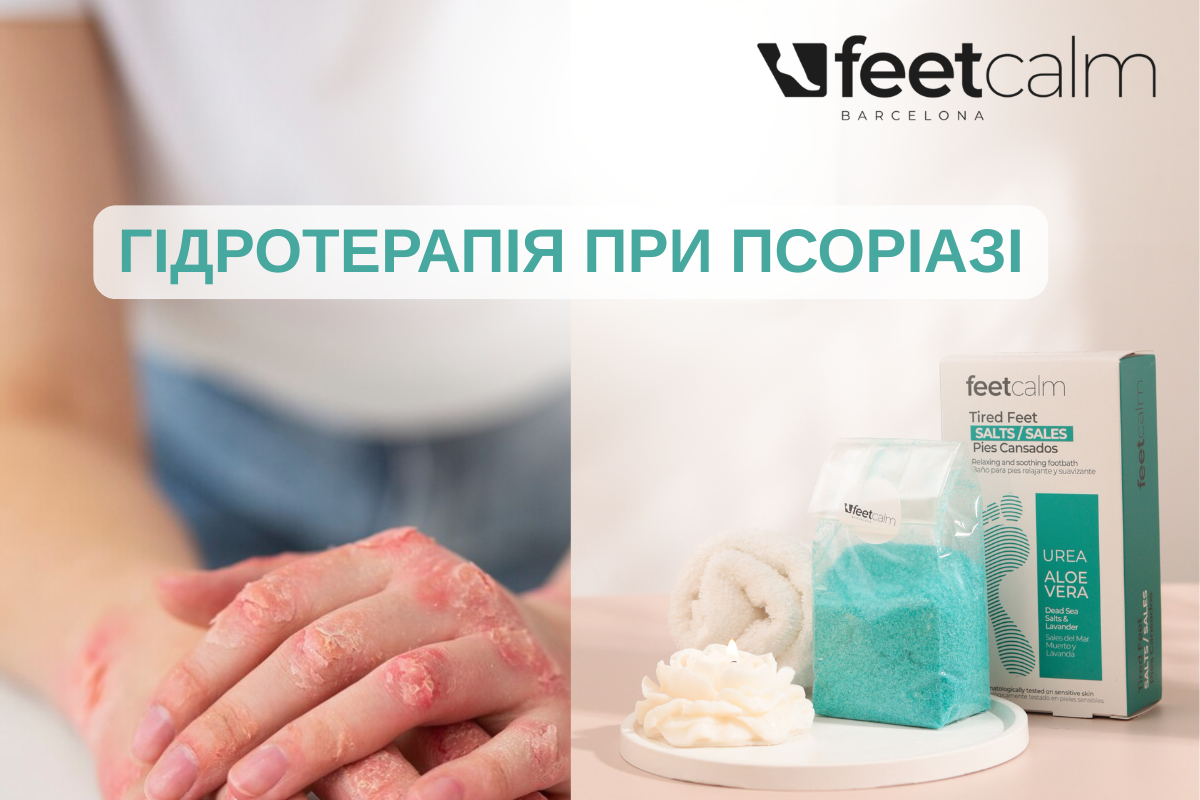
PSORIASIS IS AN IMMUNOLOGICALLY MEDIATED DISEASE THAT MANIFESTS WITH SYMPTOMS ON THE SKIN AND SOMETIMES IN THE JOINTS.
Psoriasis affects 2% to 3% of the population of Ukraine.
Treatment of psoriasis at the modern stage includes a complex of systemic and topical agents, as well as physiotherapy methods, including the use of water procedures (hydrotherapy), which are prescribed to patients individually depending on the stage of the dermatosis, accompanying somatic diseases, etc.
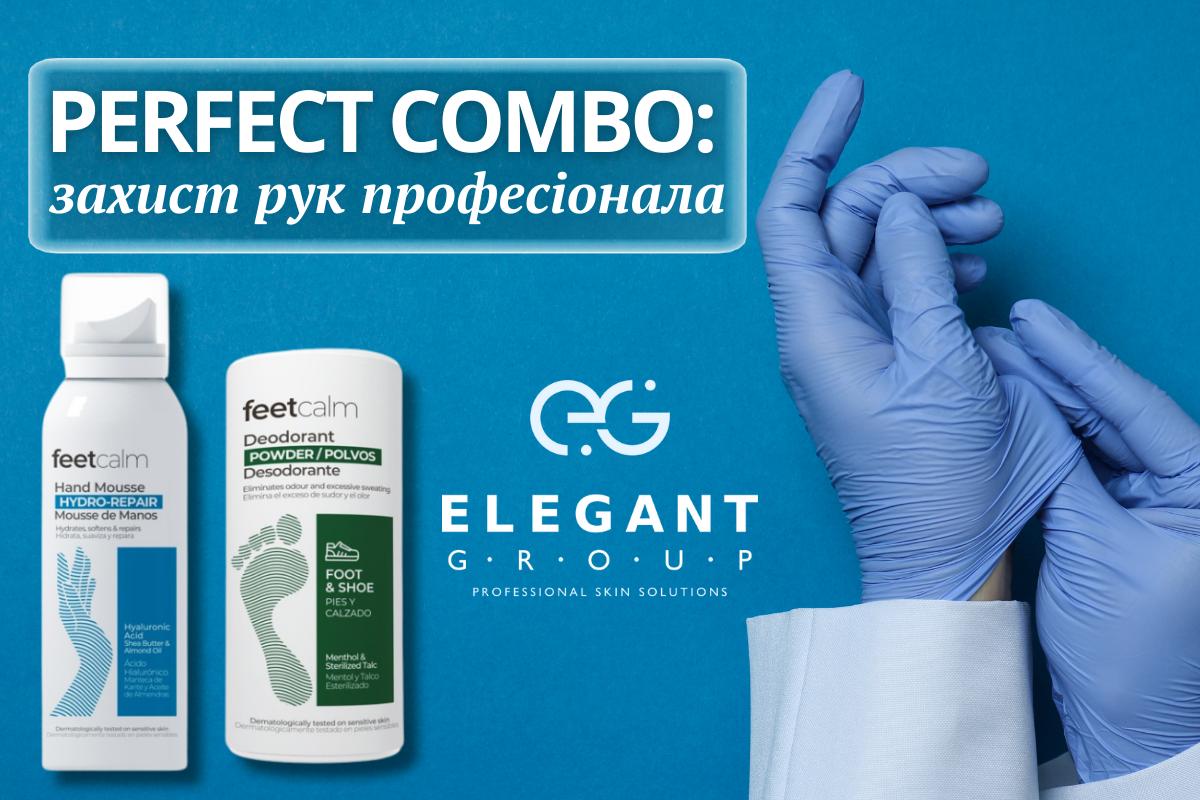
In the field of manicure and pedicure, the hands of the master are their main tool. They constantly come into contact with aggressive chemicals, nail dust, dyes, and other irritants.

If you have previously used retinoids and AHA acids, you probably know that retinoids work deep within the layers of the skin. In contrast, AHA acids only work on the upper layers of the dermis.
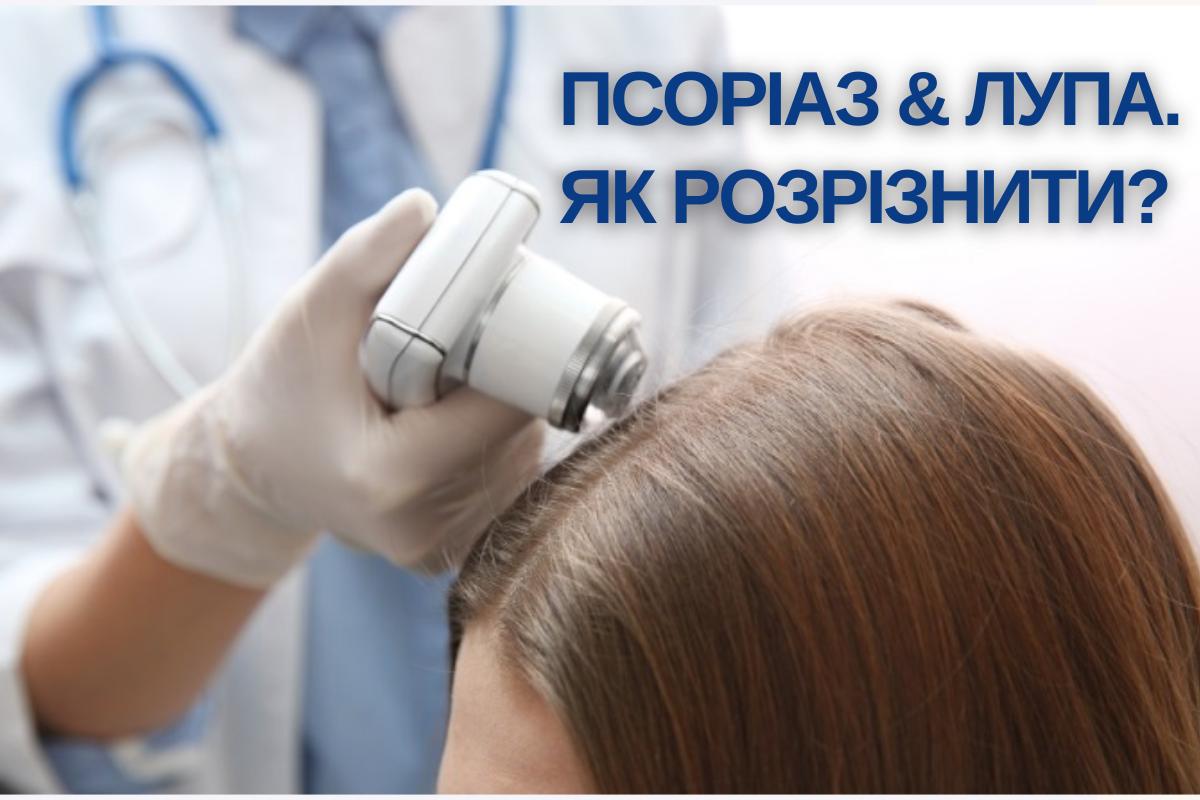
Scalp problems, such as discomfort, itching, and flaking skin, significantly affect a person's emotional state.

pigmentation is a fairly common problem that can appear at any stage of life. It occurs due to uneven distribution of melanin — the pigment responsible for the color of our skin, hair, and eyes.

Historically, it has been the case that a person always strives to maintain youthfulness for longer and to have firm and toned skin, but unfortunately, the loss of skin elasticity is a natural part of the aging process. It affects the condition of the skin, its firmness, and elastin.

Azelaic acid is a natural component that has anti-inflammatory, antibacterial, and comedolytic properties.


