


Skin & Sun. Protection from UVA and UVB Rays
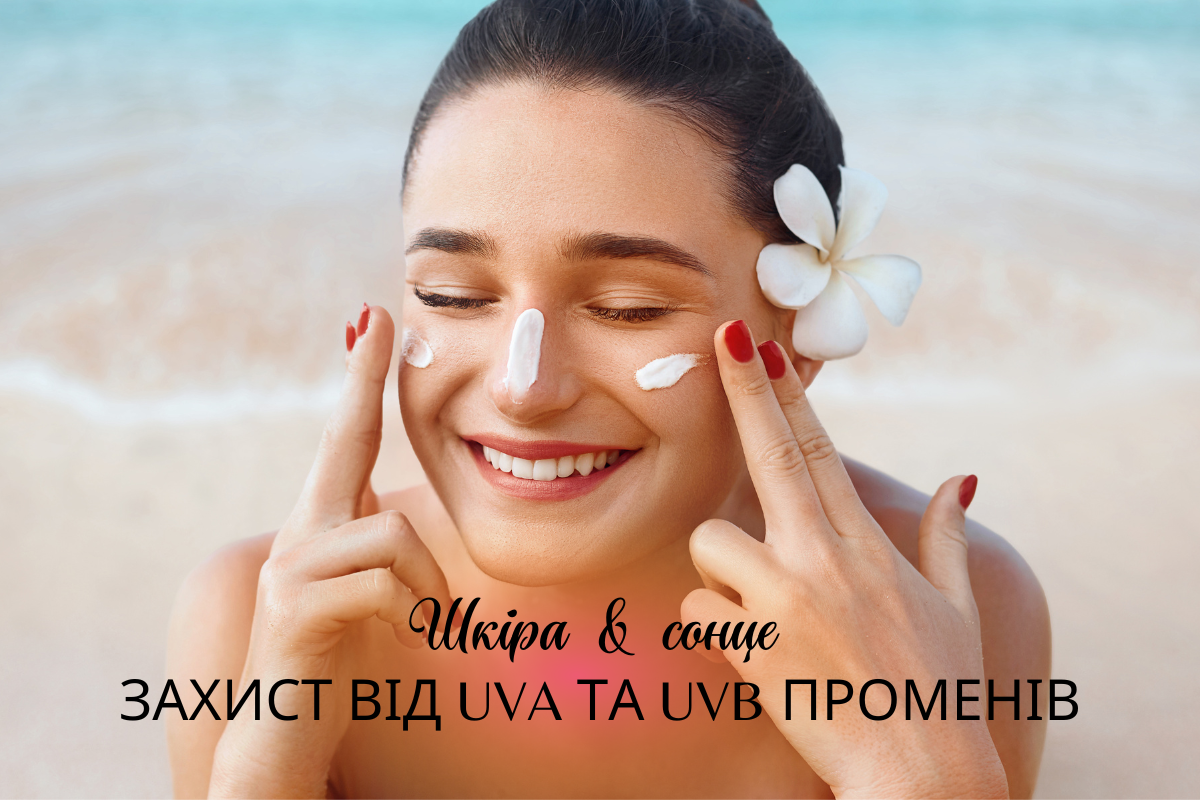
When it comes to protecting your skin from sun exposure, it's important to understand the difference between UVA and UVB rays, as they have a direct impact on your health. You often see these abbreviations on sunscreen packaging, but what do they mean? And more importantly, how can these ultraviolet rays harm you? Let's break it down.
What are UVA and UVB?
UVA stands for ultraviolet A, while UVB stands for ultraviolet B. These are two types of ultraviolet radiation (UV radiation) from the sun that reach the Earth and have different effects on our skin. Understanding the differences between these rays is crucial for the health of your skin.
UVA, or UV radiation A — is a type of solar radiation that constitutes a significant portion of the sunlight reaching the Earth's surface. This type accounts for about 95% of the UV radiation we are exposed to daily. UVA rays have a longer wavelength compared to UVB, ranging from 315 to 400 nanometers. This wavelength allows the rays to penetrate deeper into the skin, particularly the dermis, which is the thickest layer of skin. This deep penetration of the rays can lead to long-term changes and damage to the skin.
UVA rays are considered the primary cause of skin aging and the formation of wrinkles (photoaging). They can damage collagen fibers in the skin, leading to loss of elasticity and the formation of wrinkles. Over time, this exposure can result in visible changes in the texture and appearance of your skin, leading to premature aging.
Moreover, UVA rays are present throughout the daylight hours and can penetrate through clouds and glass. This means that your skin can be exposed to UVA radiation even on a cloudy day or when you are indoors near a window. These rays stimulate the production of melanin, the pigment responsible for skin color, resulting in a tan that some people consider desirable. However, it is important to remember that a tan is a reaction to damage, as skin cells signal that the skin has been harmed by UV radiation.
In addition to these effects, UVA rays can also enhance the harmful effects of UVB rays, and prolonged exposure can increase the risk of certain types of skin cancer. Therefore, comprehensive sun protection should shield your skin from both UVA and UVB radiation.
What is UVB?
UVB rays account for only about 5% of the sun's rays that affect people. However, their impact on the skin is significantly more powerful. Although UVB rays have a shorter wavelength than UVA, ranging from 280 to 315 nanometers. Their shorter wavelength means that they are primarily absorbed by the outer layer of the skin, the epidermis. This surface-level interaction distinguishes UVB from UVA rays and their effects on our skin.
UV rays are the main culprits of sunburn, a painful inflammation of the skin caused by damage to skin cells. They directly damage the DNA in skin cells, leading to the redness and discomfort associated with sunburn.
How to properly sunbathe to get vitamin D?
Vitamin D in the body is produced under the influence of UV rays, specifically type B (UVB) rays. When UVB rays interact with certain molecules in the skin, it triggers a chemical process that leads to the production of vitamin D, an important nutrient that helps maintain healthy bones and teeth, as well as the immune system. It should be noted that UV radiation is not constant throughout the day. Its intensity depends on the season, location, and time of day. It is strongest between 10 AM and 4 PM, as well as during the summer months. Unlike UVA, UVB rays do not penetrate glass.
In Ukraine, it is sufficient to take "sun baths" for 10-15 minutes from 10 AM to 3 PM from April to October to synthesize enough vitamin D in our skin.
The harmful effects of UV rays highlight the importance of using a broad-spectrum sunscreen that protects against both UVA and UVB radiation.
SPF product that will protect the skin from both types of UV
Use a broad-spectrum sunscreen: UveeLite 50+ cream.
UveeLite 50+ cream contains:
-
5 filters: 4 chemical and 1 physical, they enhance each other's action. The filters against UVA and UVB in the cream provide complete care for your skin. It is also important to note that the product has the highest level of protection (50+).
-
Shea butter, which helps with hydration, collagen formation, and maintains skin youthfulness. This component also soothes irritation.
-
Allantoin - prevents inflammation and also has regenerating and antioxidant effects.
To maximize the benefits of the SPF product, it should be applied 1 to 4 times a day — this depends on the skin's sensitivity to UV radiation (UVB) and the intensity of sun exposure. When spending all day in the sun — apply the product every 4 hours. It is also important to remember that SPF products should be used even in cloudy weather, as UVB rays pass through clouds.
Use SPF products to safely enjoy the sun while keeping your skin in perfect condition.
Effective sun protection is not a one-time task but a daily commitment. However, the time and effort spent are worth it, as they contribute to healthier skin and reduced damage.
News
All news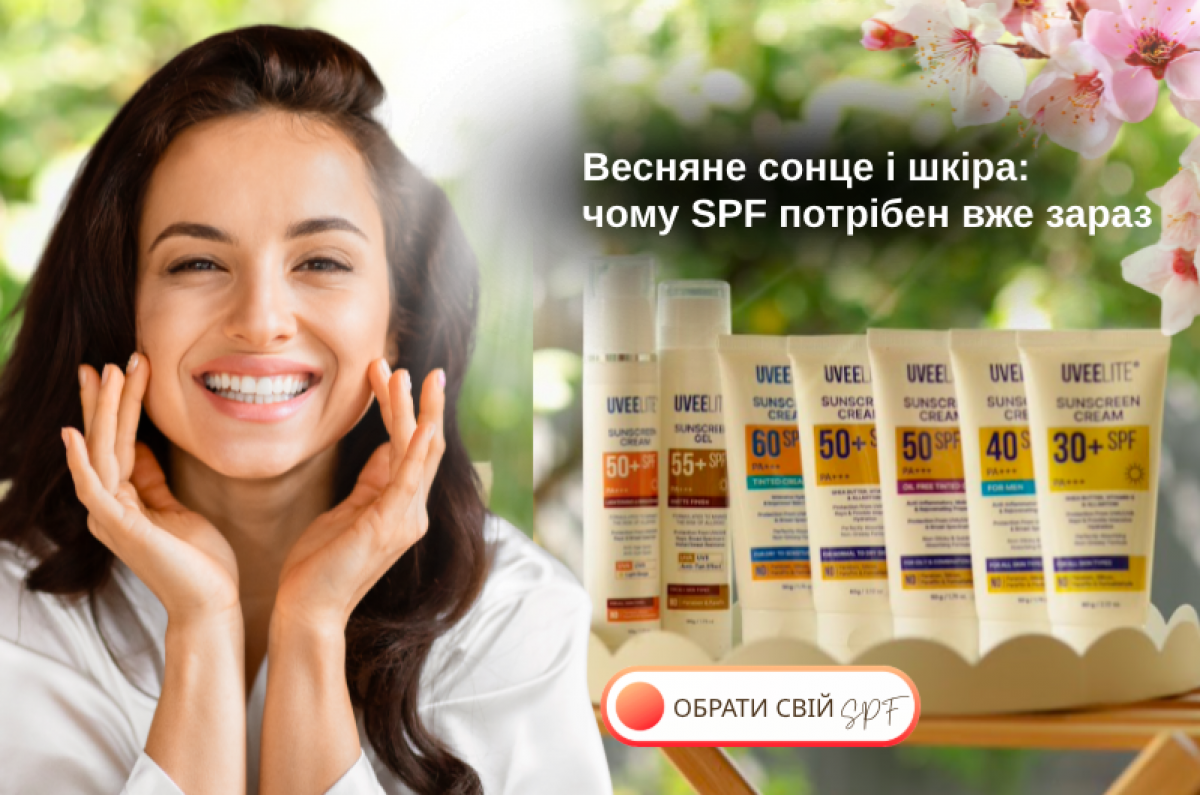
With the first warm days, you want to spend more time in the sun. The spring sun rays seem soft and safe, but during this period, the skin is particularly vulnerable after winter. A weakened protective barrier and dryness make it more sensitive to ultraviolet light. Therefore, sun protection in spring is just as important as in summer.

Skincare is more than just aesthetics. It's a daily ritual that reminds us of self-love, of taking time for ourselves, of comfort. That's why quality skincare is a universal gift, suitable for any occasion: a birthday, a professional holiday, an anniversary, or simply as a gesture of attention without a reason.
We have gathered beauty ideas that not only bring pleasant emotions but also deliver real results.
Pigment spots are an unpleasant dermatological problem influenced by various factors, such as the sun, hormonal and age-related changes affecting the production of melanin, leading to hyperpigmentation. How does this acid work in skincare dermocosmetics? Read on in the material.

PSORIASIS IS AN IMMUNOLOGICALLY MEDIATED DISEASE THAT MANIFESTS WITH SYMPTOMS ON THE SKIN AND SOMETIMES IN THE JOINTS.
Psoriasis affects 2% to 3% of the population of Ukraine.
Treatment of psoriasis at the modern stage includes a complex of systemic and topical agents, as well as physiotherapy methods, including the use of water procedures (hydrotherapy), which are prescribed to patients individually depending on the stage of the dermatosis, accompanying somatic diseases, etc.

In the field of manicure and pedicure, the hands of the master are their main tool. They constantly come into contact with aggressive chemicals, nail dust, dyes, and other irritants.
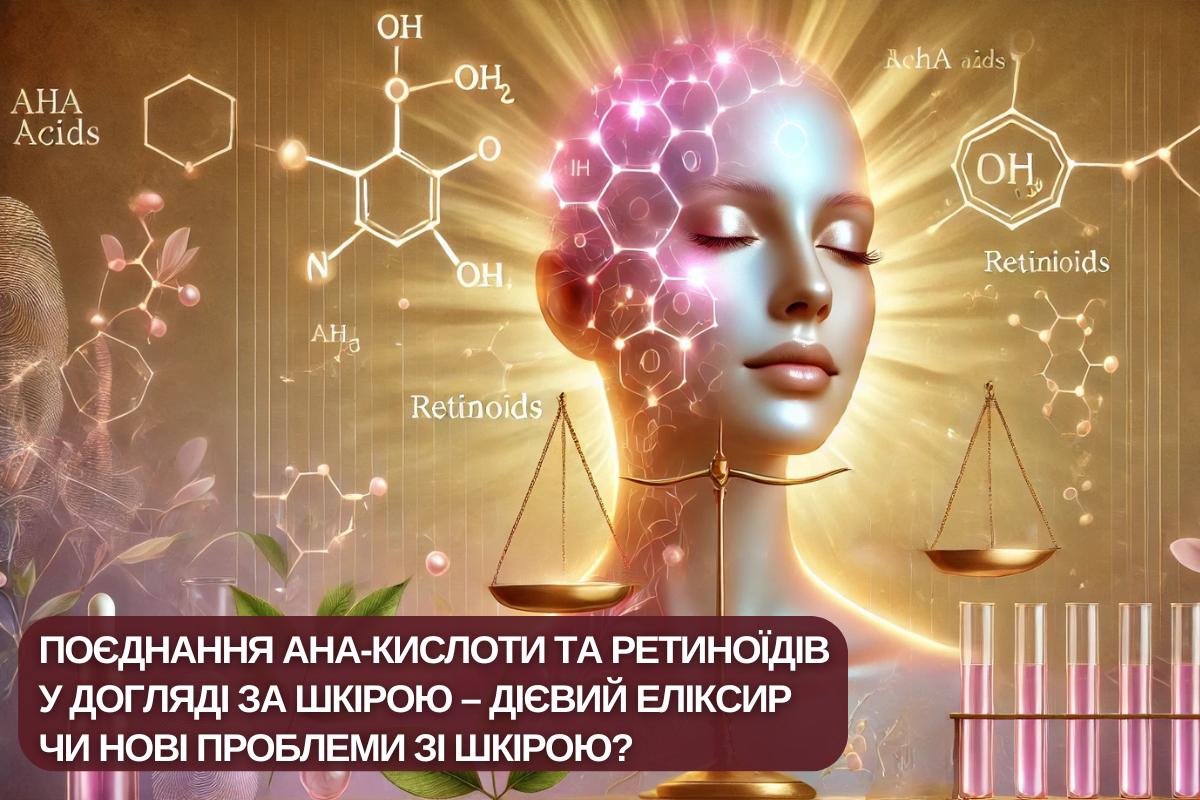
If you have previously used retinoids and AHA acids, you probably know that retinoids work deep within the layers of the skin. In contrast, AHA acids only work on the upper layers of the dermis.
Scalp problems, such as discomfort, itching, and flaking skin, significantly affect a person's emotional state.

pigmentation is a fairly common problem that can appear at any stage of life. It occurs due to uneven distribution of melanin — the pigment responsible for the color of our skin, hair, and eyes.

Historically, it has been the case that a person always strives to maintain youthfulness for longer and to have firm and toned skin, but unfortunately, the loss of skin elasticity is a natural part of the aging process. It affects the condition of the skin, its firmness, and elastin.
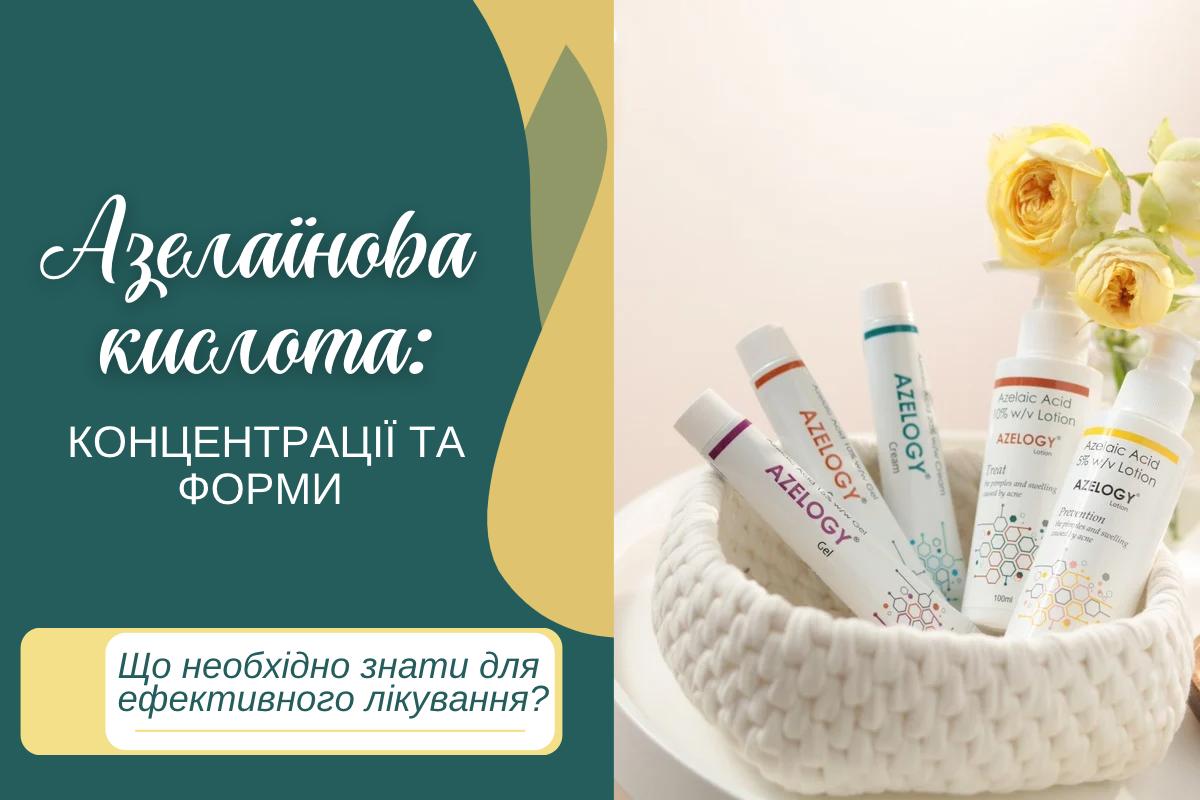
Azelaic acid is a natural component that has anti-inflammatory, antibacterial, and comedolytic properties.


