


SPF - protection: what skin problems can be avoided?
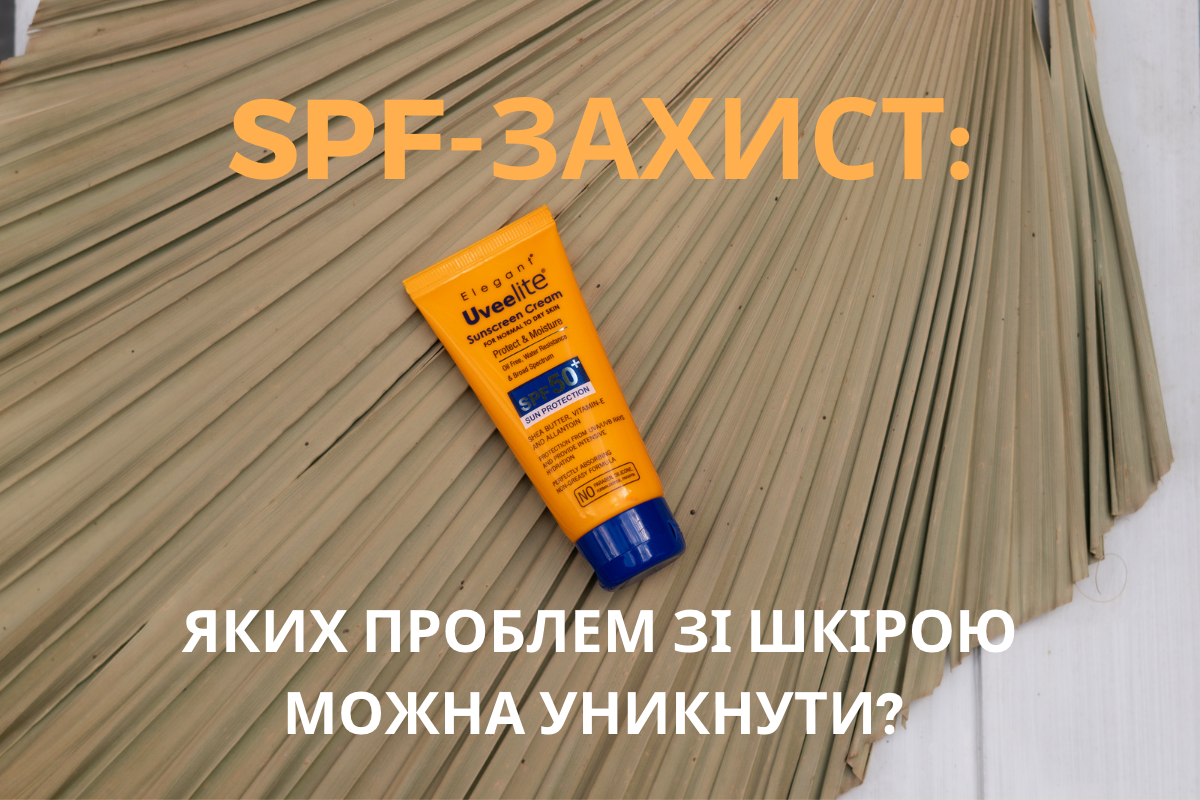
Rain or shine, SPF cream is an essential step in skincare, especially before heading out. Even if it's not summer and you don't feel the sun burning your skin, ultraviolet (UV) rays never take a day off.
In this article, we will present important facts about using sunscreen in your daily routine that you will never want to skip.
What is SPF?
SPF (Sun Protection Factor) is a sun protection factor; the number next to this abbreviation indicates the dose of UVB rays you can receive without the risk of burning.
This number typically ranges from 15 to 100, indicating how much longer it will take for UV radiation to damage your skin while using sunscreen according to the instructions, compared to how long it would take without the product.
For example, if you apply SPF 50, your skin will take 50 times longer to redden or burn than it would without sunscreen at all.
Sunscreens help protect your skin from these rays year-round. In fact, in 80% of cases, even on cloudy days, it is UV rays that are the primary cause of premature skin aging.
SPF products contain chemical and physical filters:
● Chemical filters have the ability to absorb sunlight and are easily absorbed into the skin. Their composition usually includes active ingredients such as oxybenzone, avobenzone, octisalate, octocrylene, homosalate, and octinoxate. Products containing these next-generation ingredients are considered the safest for the skin.
● Physical filters work like a shield, "reflecting" the negative effects of the sun.
They contain active ingredients such as zinc oxide and/or titanium dioxide. This filter is most often recommended for those with sensitive skin.
Why does your skin need sunscreen?
Below we have listed the most common consequences of excessive sunlight:
Sunburn: a common harmful effect of excessive sunlight. Symptoms of sunburn include redness, swelling, pain or sensitivity, and blistering.
Eye damage: prolonged exposure to UV rays can damage the retina. This can increase the risk of eye diseases such as cataracts.
Skin aging: too much time in the sun can lead to faster skin aging. Some people may find their skin becomes more wrinkled, saggy, or rough.
Skin changes: freckles, moles, and other skin changes can be side effects of excessive sunlight.
Heat stroke: also known as sunstroke - a condition where the body's internal temperature can rise due to excessive heating or sun exposure.
Skin cancer: excessive UV rays are a leading cause of skin cancer. If you plan to spend a lot of time in the sun, avoid sunburns.
How to choose sunscreen?
To help you find a great sunscreen companion year-round, we recommend SPF products with the highest level of protection. It is also important to choose a formulation that cares for your skin's overall condition, does not clog pores, and definitely provides hydration.
Choose the comprehensive Uvee Lite SPF 50+ sunscreen. This sunscreen combines all the wonderful factors that:
●prevent skin damage from UVA and UVB rays ●enhance photoprotection
●soothe and hydrate the skin on sunny days.
In addition to the main components that protect against ultraviolet rays such as octinoxate, oxybenzone, octocrylene, avobenzone, zinc oxide, Uvee Lite SPF 50+ also contains auxiliary components: shea butter and allantoin, which enhance the moisturizing effect of the cream and also have anti-inflammatory, regenerating, and antioxidant actions.
How to apply sunscreen?
To prevent sunburn and other issues your skin may face before going outside, we recommend following these instructions:
•It is best to apply sunscreen about 15–30 minutes before going outside. Since your skin will need about 15 minutes to absorb the sunscreen, be sure to take this into account in advance.
•Thoroughly rub the sunscreen into exposed skin, including your face, ears, neck, hands, legs, and back.
Note that experts recommend reapplying sunscreen every two to three hours spent in the sun, especially if you are sweating or swimming.
News
All news
With the first warm days, you want to spend more time in the sun. The spring sun rays seem soft and safe, but during this period, the skin is particularly vulnerable after winter. A weakened protective barrier and dryness make it more sensitive to ultraviolet light. Therefore, sun protection in spring is just as important as in summer.

Skincare is more than just aesthetics. It's a daily ritual that reminds us of self-love, of taking time for ourselves, of comfort. That's why quality skincare is a universal gift, suitable for any occasion: a birthday, a professional holiday, an anniversary, or simply as a gesture of attention without a reason.
We have gathered beauty ideas that not only bring pleasant emotions but also deliver real results.

Pigment spots are an unpleasant dermatological problem influenced by various factors, such as the sun, hormonal and age-related changes affecting the production of melanin, leading to hyperpigmentation. How does this acid work in skincare dermocosmetics? Read on in the material.

PSORIASIS IS AN IMMUNOLOGICALLY MEDIATED DISEASE THAT MANIFESTS WITH SYMPTOMS ON THE SKIN AND SOMETIMES IN THE JOINTS.
Psoriasis affects 2% to 3% of the population of Ukraine.
Treatment of psoriasis at the modern stage includes a complex of systemic and topical agents, as well as physiotherapy methods, including the use of water procedures (hydrotherapy), which are prescribed to patients individually depending on the stage of the dermatosis, accompanying somatic diseases, etc.

In the field of manicure and pedicure, the hands of the master are their main tool. They constantly come into contact with aggressive chemicals, nail dust, dyes, and other irritants.

If you have previously used retinoids and AHA acids, you probably know that retinoids work deep within the layers of the skin. In contrast, AHA acids only work on the upper layers of the dermis.

Scalp problems, such as discomfort, itching, and flaking skin, significantly affect a person's emotional state.

pigmentation is a fairly common problem that can appear at any stage of life. It occurs due to uneven distribution of melanin — the pigment responsible for the color of our skin, hair, and eyes.

Historically, it has been the case that a person always strives to maintain youthfulness for longer and to have firm and toned skin, but unfortunately, the loss of skin elasticity is a natural part of the aging process. It affects the condition of the skin, its firmness, and elastin.

Azelaic acid is a natural component that has anti-inflammatory, antibacterial, and comedolytic properties.


