


Dry skin: causes, prevention, and treatment methods
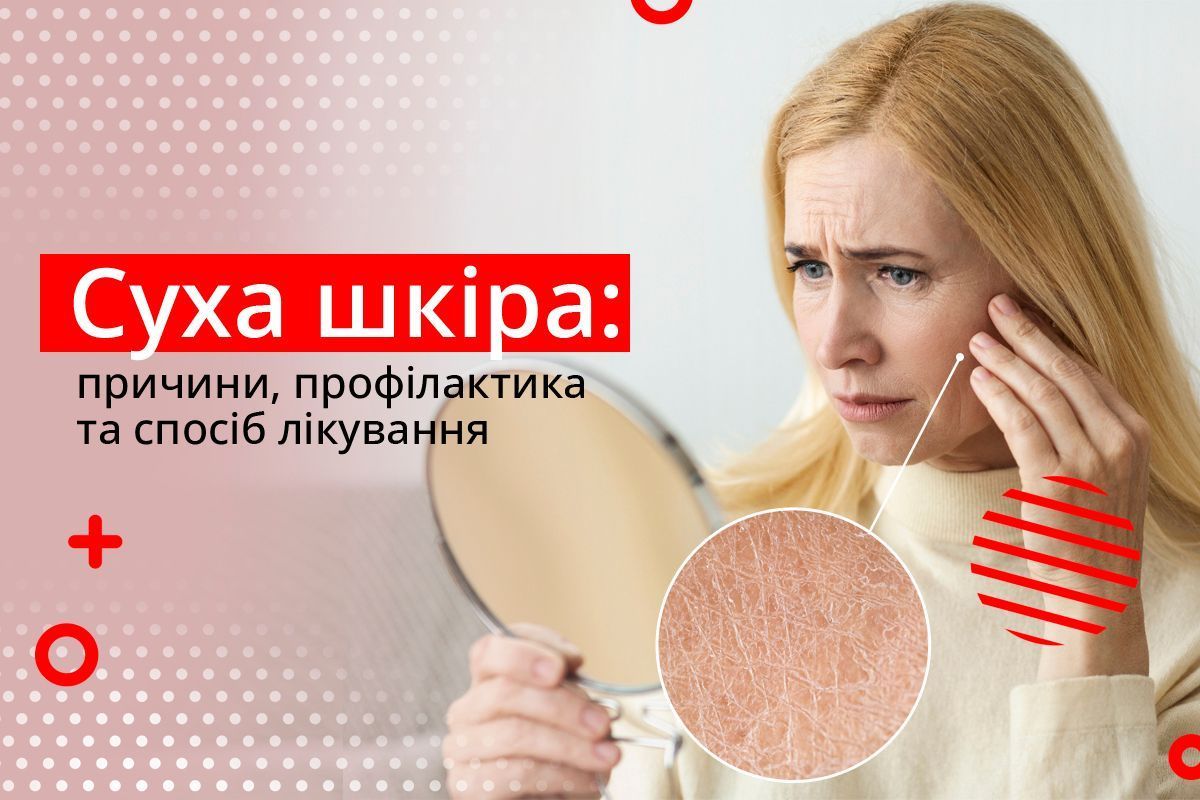
Peeling, tightness, itching, or cracks indicate dry skin. How can we prevent these unpleasant symptoms? We explain further in the material.
What is dry skin?
Dry skin – usually refers to a dry skin type, characterized by less sebum production compared to normal skin type. However, considering the symptoms, dry skin is primarily dehydrated skin.
Among the main causes of dryness are the following:
-
congenital or genetic predispositions;
-
acquired causes, usually due to improper care;
-
hormones;
-
age;
-
weak immune system, poor nutrition, and lack of vitamins and micronutrients.
Regardless of the causes, dry skin is always accompanied by certain unpleasant symptoms, which manifest as excessive roughness, sometimes coarseness, peeling, or cracks.
Dry skin can also be caused by seasonal changes. For example, variations in temperature indoors, dry air from heaters or central heating, or frost and wind can provoke painful sensations.
Among all unpleasant symptoms, dry skin has some pleasant advantages over other skin types. For example:
-
dry skin often has an even texture;
-
absence of oily shine;
-
pores of minimal size, or completely invisible to the human eye.
Dry skin has certain degrees of manifestation, from moderate to very dry skin. Sometimes, excessively dry skin is classified as a dermatological condition.
Critical dryness of the skin
In most cases, skin dryness is usually temporary, which can be prevented or eliminated with special products. However, there are types of dry skin that can last for years. Usually, they include the following manifestations:
Dryness of the feet: if your feet are dry, it may be a result of a fungus. The skin on the feet may peel and crack.
Contact dermatitis: sometimes things that touch your skin can cause an allergic reaction. You may experience itching and notice rashes or redness.
eczema (atopic dermatitis): dryness, cracks, red and itchy areas may manifest with eczema.
Seborrheic dermatitis: when the scalp is too dry, you may develop dandruff. This condition can also manifest on the hands, legs, groin, face, ears, or around the navel.
Prevention and treatment of skin dryness
How can we prevent and treat skin dryness, both on the face and body? The first thing to do is to start taking proper care of the skin at both the prevention and problem-solving stages. Take care of a gentle cleansing and moisturizing stage.
Choose moisturizing products specifically designed for dry skin and those that retain moisture. Pay attention to the recommended products from the Dermolite series:
-
Dermolite Uronic – used for moisturizing and softening dry, cracked, calloused, hard, and hardened areas of the skin on the legs, hands, or elbows. The cream contains lactic acid and urea.
-
Dermolite Replenishing – a restorative cream that contains lactic acid, urea, and hyaluronic acid.
-
Dermolite Emollient – suitable for all skin types and specially created for effective moisturizing. One of the main components in the product is allantoin.
-
Dermolite Ceramide – a cream endowed with a balanced complex of components for nourishing and lifting the skin.
To prevent unwanted skin dryness, it is also important to follow these household tips:
-
Do household chores in latex gloves:
-
After showering and especially after swimming, moisturize the skin with special products;
-
Protect your skin from the sun with an SPF product. It is advisable to choose a product with the highest level of protection, such as UveeLite 50+;
-
Drink enough water;
-
Do not perform peels and scrubs.
Follow these simple rules to prevent and minimize skin dryness. Before choosing a moisturizing product, be sure to consult with a dermatologist.
News
All news
With the first warm days, you want to spend more time in the sun. The spring sun rays seem soft and safe, but during this period, the skin is particularly vulnerable after winter. A weakened protective barrier and dryness make it more sensitive to ultraviolet light. Therefore, sun protection in spring is just as important as in summer.

Skincare is more than just aesthetics. It's a daily ritual that reminds us of self-love, of taking time for ourselves, of comfort. That's why quality skincare is a universal gift, suitable for any occasion: a birthday, a professional holiday, an anniversary, or simply as a gesture of attention without a reason.
We have gathered beauty ideas that not only bring pleasant emotions but also deliver real results.

Pigment spots are an unpleasant dermatological problem influenced by various factors, such as the sun, hormonal and age-related changes affecting the production of melanin, leading to hyperpigmentation. How does this acid work in skincare dermocosmetics? Read on in the material.

PSORIASIS IS AN IMMUNOLOGICALLY MEDIATED DISEASE THAT MANIFESTS WITH SYMPTOMS ON THE SKIN AND SOMETIMES IN THE JOINTS.
Psoriasis affects 2% to 3% of the population of Ukraine.
Treatment of psoriasis at the modern stage includes a complex of systemic and topical agents, as well as physiotherapy methods, including the use of water procedures (hydrotherapy), which are prescribed to patients individually depending on the stage of the dermatosis, accompanying somatic diseases, etc.

In the field of manicure and pedicure, the hands of the master are their main tool. They constantly come into contact with aggressive chemicals, nail dust, dyes, and other irritants.

If you have previously used retinoids and AHA acids, you probably know that retinoids work deep within the layers of the skin. In contrast, AHA acids only work on the upper layers of the dermis.

Scalp problems, such as discomfort, itching, and flaking skin, significantly affect a person's emotional state.

pigmentation is a fairly common problem that can appear at any stage of life. It occurs due to uneven distribution of melanin — the pigment responsible for the color of our skin, hair, and eyes.

Historically, it has been the case that a person always strives to maintain youthfulness for longer and to have firm and toned skin, but unfortunately, the loss of skin elasticity is a natural part of the aging process. It affects the condition of the skin, its firmness, and elastin.

Azelaic acid is a natural component that has anti-inflammatory, antibacterial, and comedolytic properties.


